
Liturgy
-
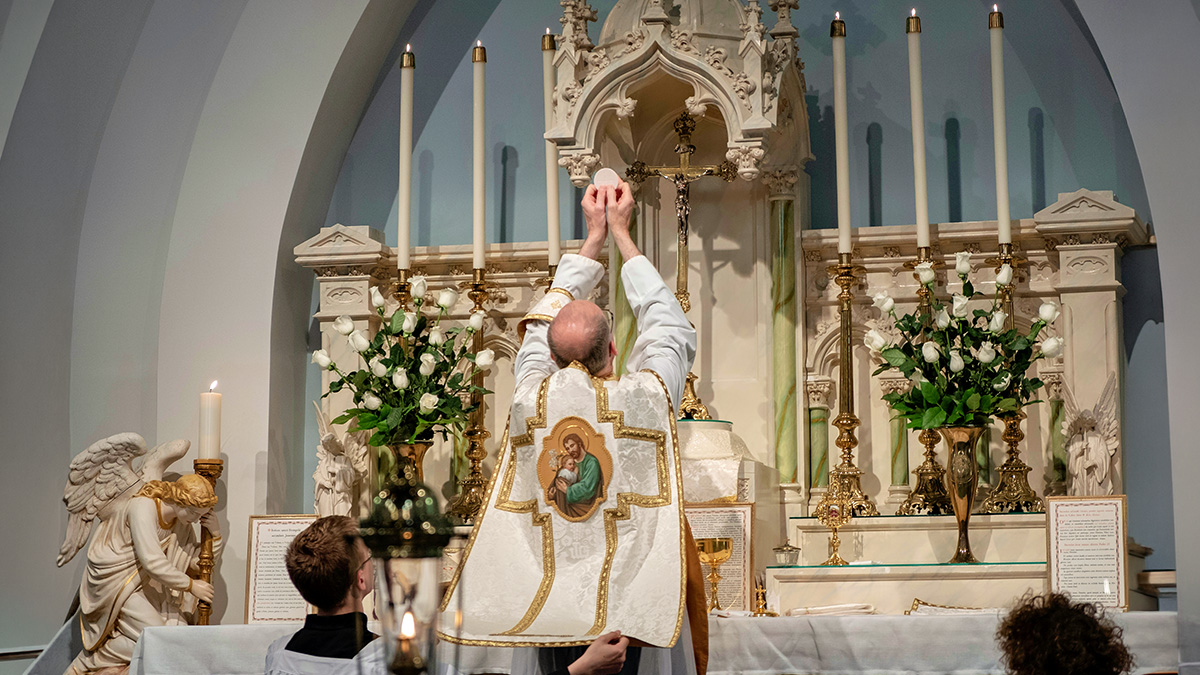
The Mass is for everyone – not just the intellectual few
Diverging approaches to liturgical language deepened tensions between East and West, contributing to the eventual schism of 1054.
-
SSPX ordinations: 40 years on a second schism
The SSPX’s latest ordinations mark a deeper, more entrenched rejection of Vatican II than its original 1988 schism.

-
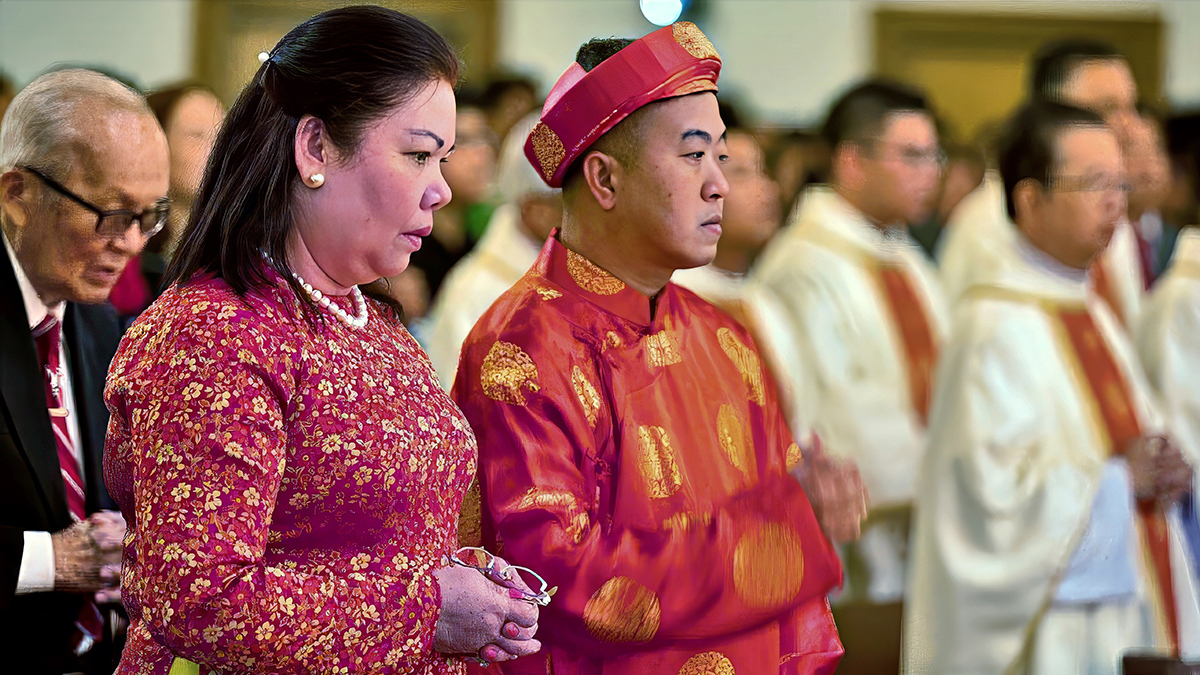
Standing to pray: sign of a priestly people
Vatican II’s actuosa participatio means the entire gathering celebrates, a priestly people with a presbyter presiding rather than a priest set apart from a people.
-
When kneeling divides rather than unites
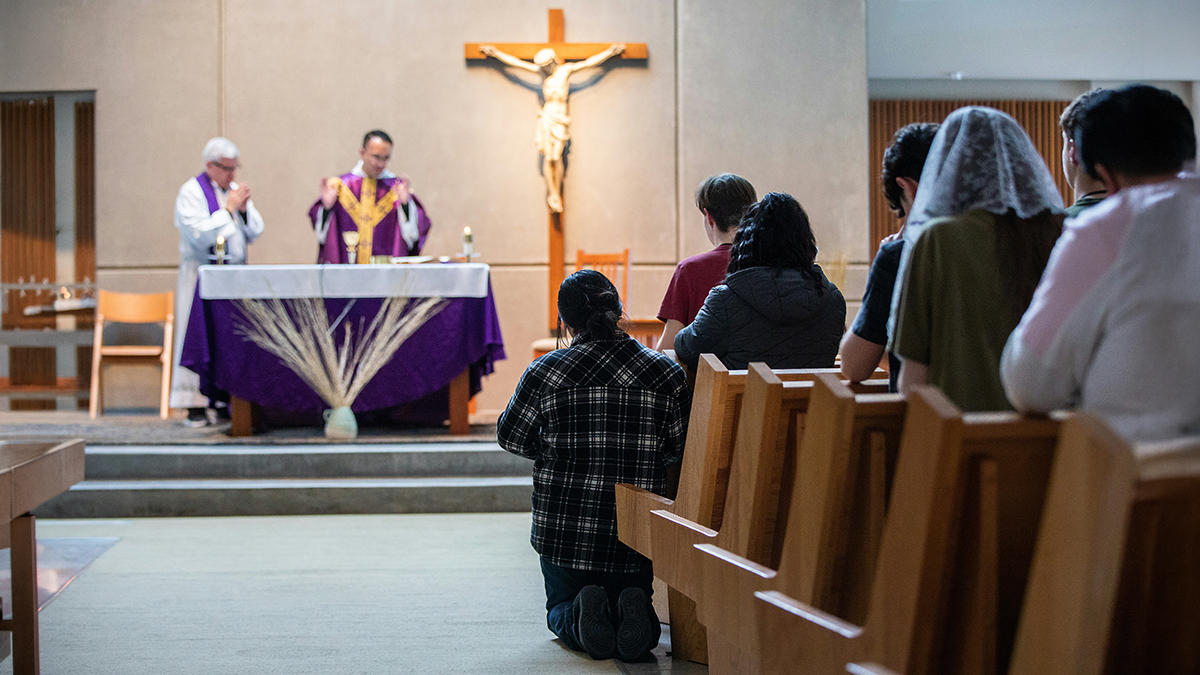
“Let us kneel before the Lord, our Maker!” The title of the pastoral letter by Sydney’s Archbishop Anthony Fisher, taken from Psalm 95, already hints at its content: the cleric wants to promote the importance of kneeling once again in his archdiocese. The Innsbruck liturgical scholar Liborius Olaf Lumma studies bodily postures in the liturgy.…
-
The courage to be unremarkable
In a culture that prizes visibility, true worth comes not from standing out — the real challenge isn’t accepting ordinariness.

-
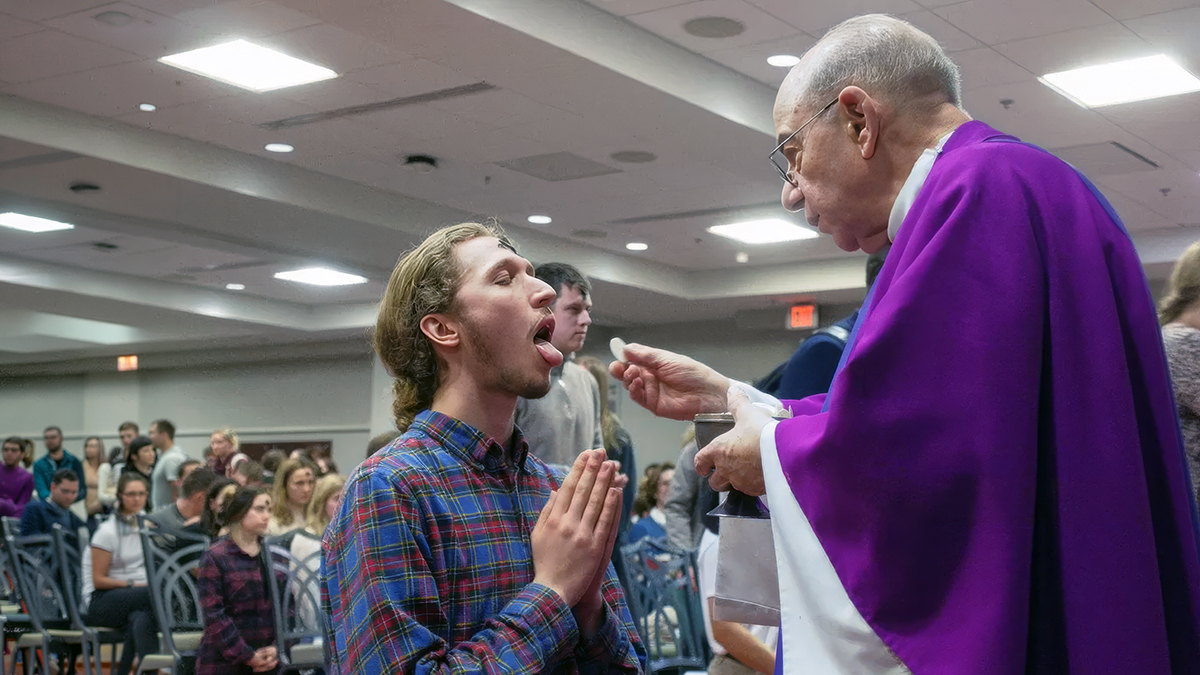
Restoring kneelers!
Sydney clergy must now restore kneelers everywhere, treating contested history as fact and recasting decades of reverent standing as a deficiency.
-
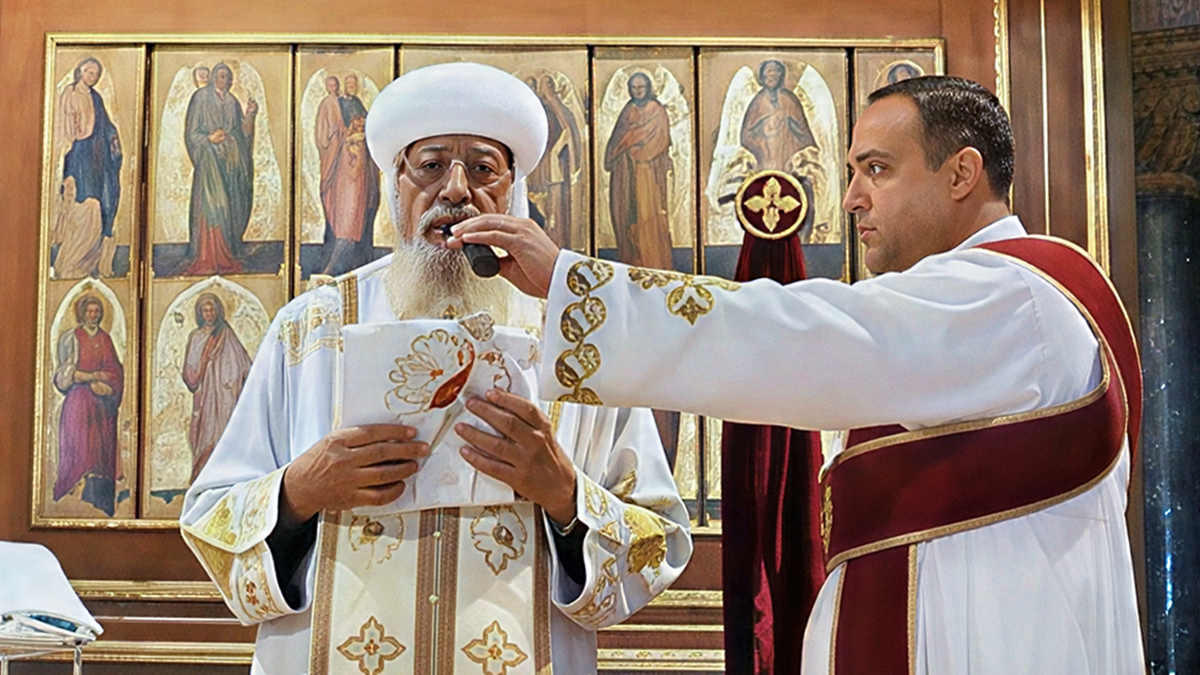
Coptic patriarch praying in Venice matters more than it looks
The Coptic Church does not treat sacred space casually. That Pope Tawadros celebrated liturgy at a Catholic basilica — not once, but twice in three years — signals a quiet theological recognition that cuts deeper than diplomatic courtesy or interchurch goodwill.
-
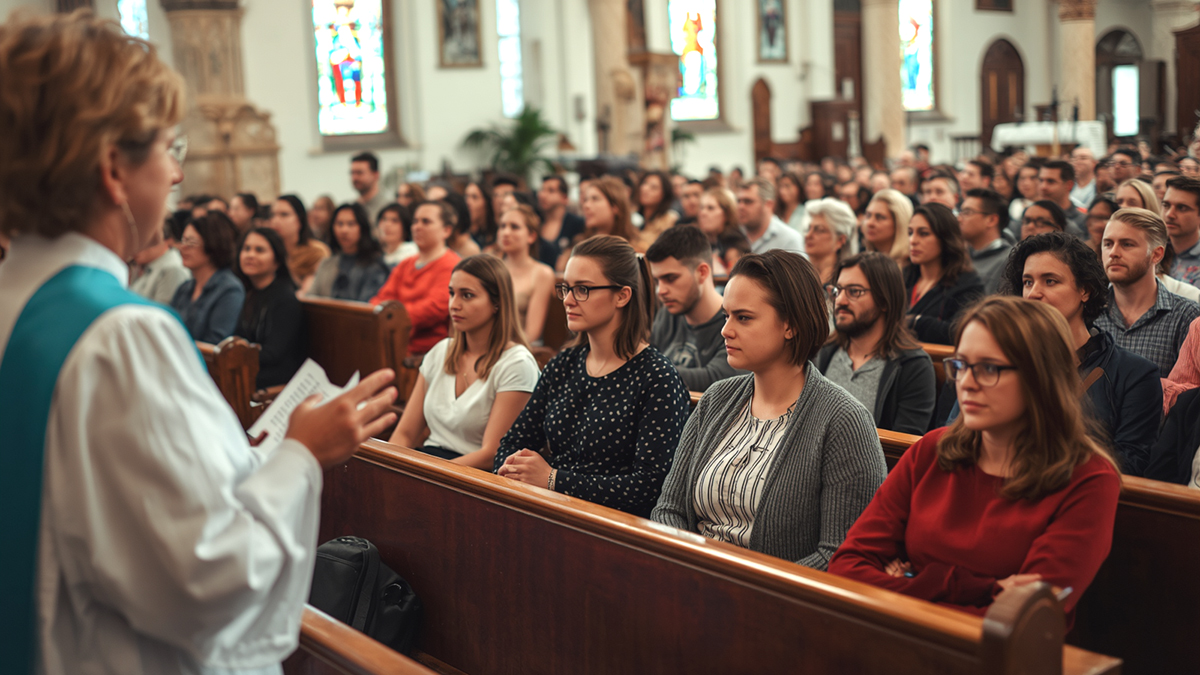
The liturgical discipline of mystery
Water, oil, fire, bread and wine do not merely represent something else — within the liturgical action they do something. They engage the body, awaken memory and invite response. Over-explanation risks leaving the assembly understanding more while perceiving far less.
-
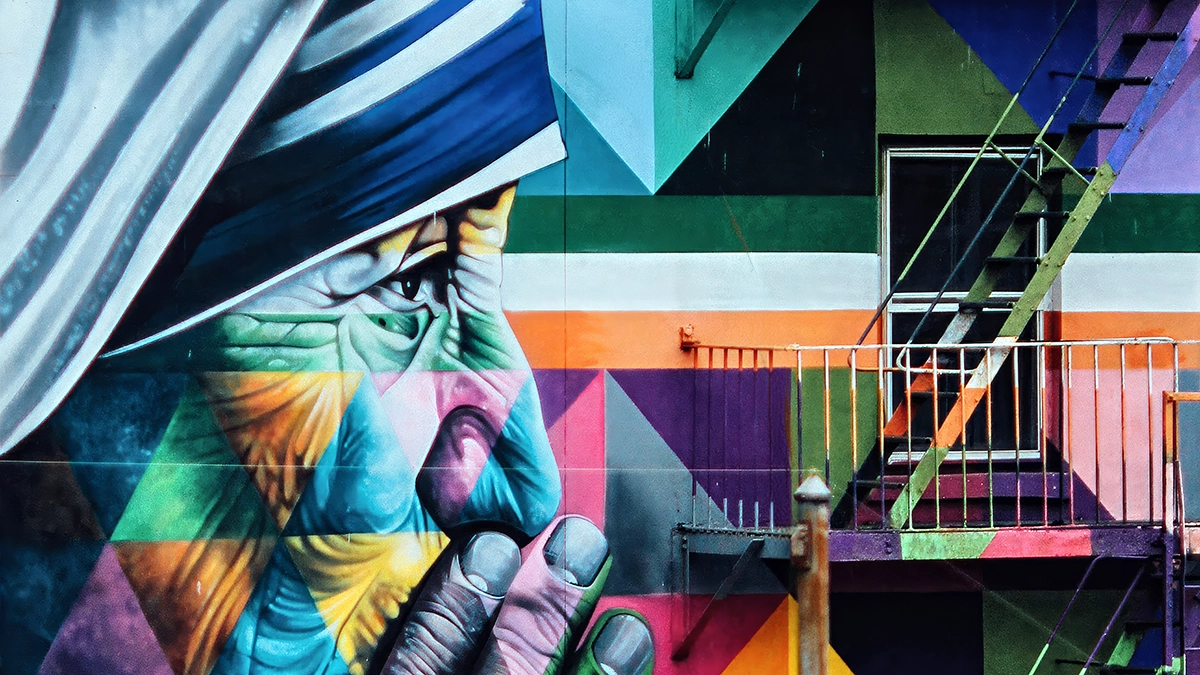
Mercy, joy and the nearness of God
People arrive at liturgy seeking love and mercy but leave without feeling them. The gap between what the words intend and what worshippers experience raises an urgent question: what is the liturgy actually revealing about the God we gather to meet?
-
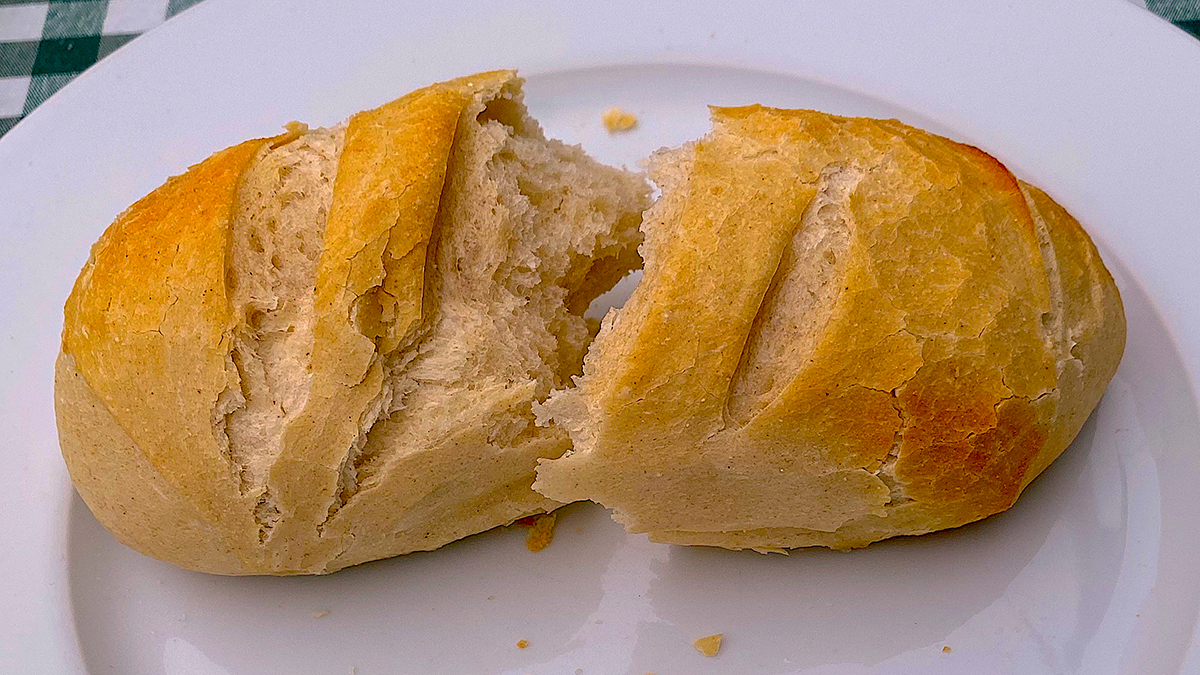
Fake symbols lead to fake worship?
Bread is baked. Wafer is boiled. No one would serve a communion host alongside soup at a dinner table. The gap between what we call ‘bread’ and what we actually use reveals how far convenience has drifted from the gospel’s original gesture.
Get Flashes of Insight
Flash Focal Points
AI Baptism Church History Church Reform Clericalism Communications & Media Compassion Culture Culture & Faith Deacons Digital Age Discipleship Eucharist Faith Faith Dialogue Gender Equality Hope Human Dignity Inclusion Justice Lay Leadership Leadership LGBTQ+ Liturgy Ministry Mission Peace Politics Pope Francis Pope Leo XIII Poverty Prayer Priesthood Social Justice Synodality Theology Tradition Vatican Vatican II War Women Women's Ordination Women Deacons Women in Ministry Youth
Donate
All services bringing Flashes of Insight are donated.
Significant costs, such as those associated with site hosting, site design, and email delivery, mount up.
Flashes of Insight will shortly look for donations.