
Vatican II
-
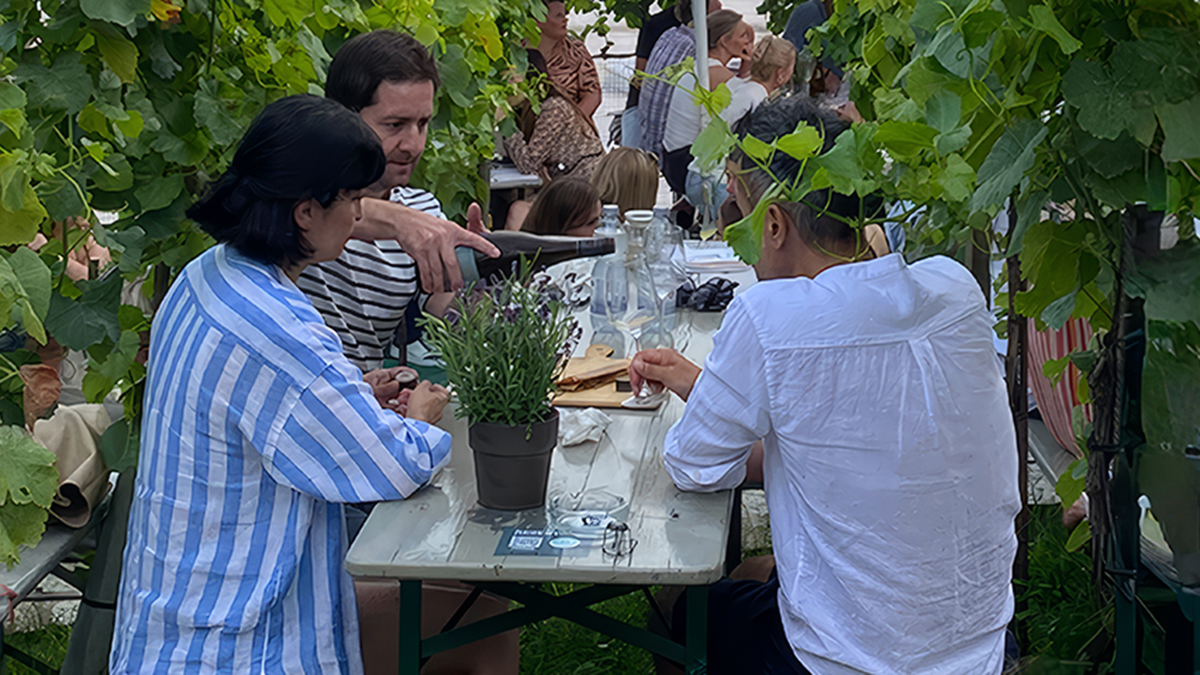
Eucharist is a verb before it’s a noun
Celebration, not just consecration, sits at the center of this theologian’s rethinking of what happens at Mass. A priest’s authority to act “in the person of Christ” is inseparable from acting in the person of the whole Church.
-
The real presence that walks out the church doors
Encountering Christ at the altar is meant to send believers toward the poor and marginalised in daily life.

-
The overlooked contradiction in Vatican II’s baptism rules
Church teaching lets women baptize in emergencies, raising an uncomfortable question about why that logic stops short of the priesthood.

-
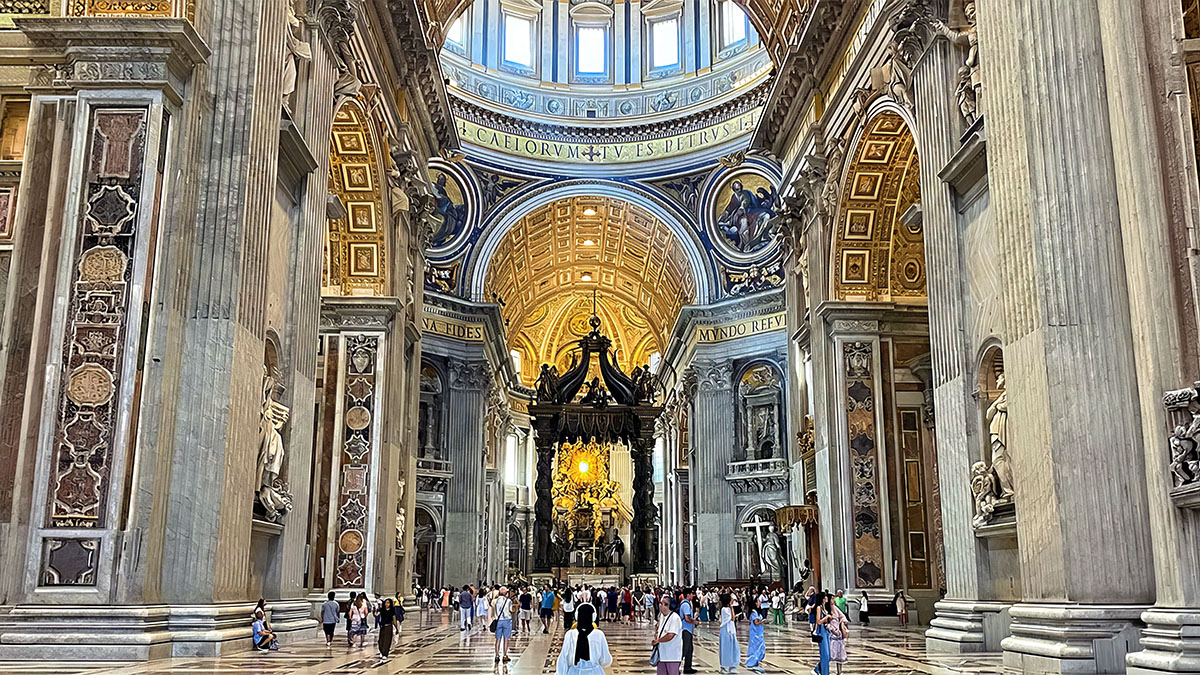
The Smartphone has remade the papacy
Technology is transforming the papacy from a distant office into the Vatican in my top pocket.
-
Fear, fallout and hope
Vatican II’s promise sparked hope, fear and then disillusionment. Unresolved debates endure to this day, leaving behind lasting tension.

-
The Tabernacle is the message
Faithful should receive hosts from the same Mass — yet it rarely happens anymore.

-
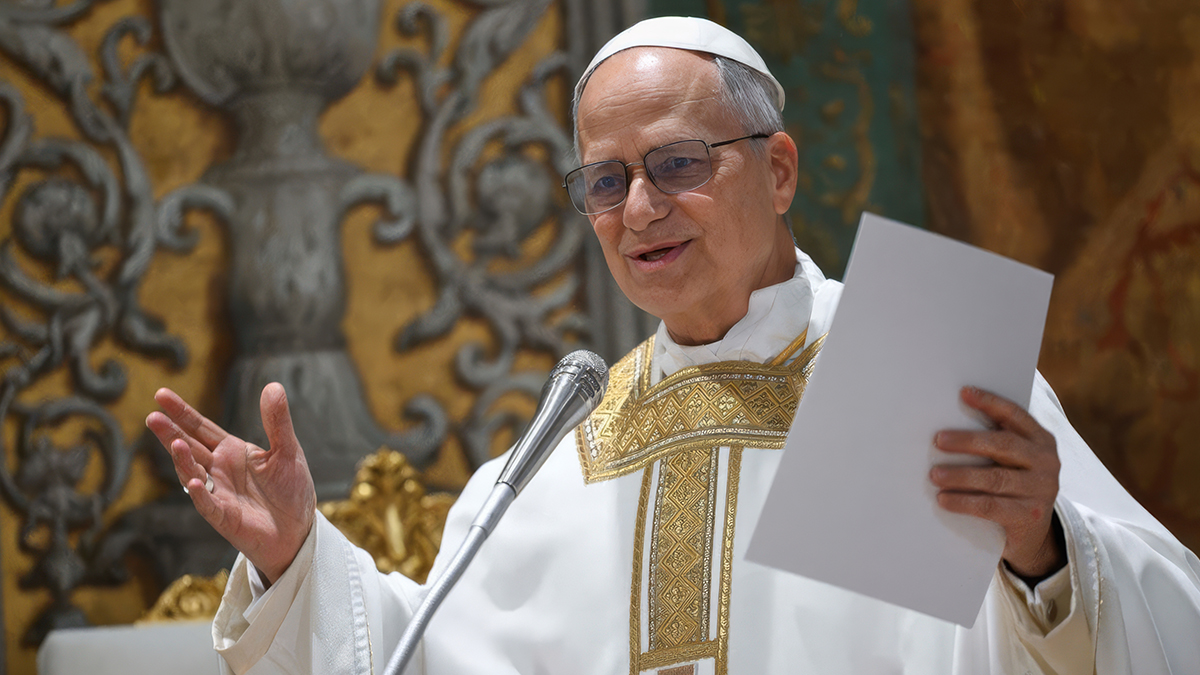
The point of Rome
King Charles walked into Congress amid dread and left having threaded a needle. Pope Leo’s doing something similar from Rome.
-
Let this silencing law finally die
Some laws aren’t broken so much as expired — kept alive past the purpose they were built to serve, and past their welcome.

-
SSPX ordinations: 40 years on a second schism
The SSPX’s latest ordinations mark a deeper, more entrenched rejection of Vatican II than its original 1988 schism.

-
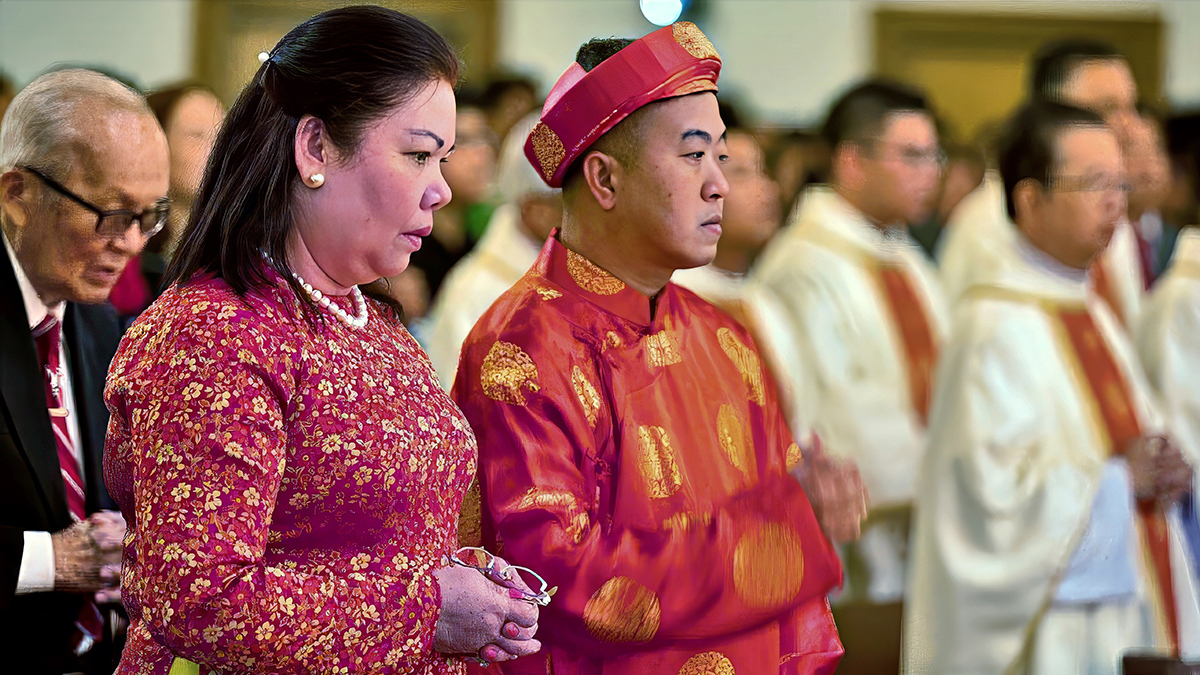
Standing to pray: sign of a priestly people
Vatican II’s actuosa participatio means the entire gathering celebrates, a priestly people with a presbyter presiding rather than a priest set apart from a people.
Get Flashes of Insight
Flash Focal Points
AI Baptism Church History Church Reform Clericalism Communications & Media Compassion Culture Culture & Faith Deacons Digital Age Discipleship Eucharist Faith Faith Dialogue Gender Equality Hope Human Dignity Inclusion Justice Lay Leadership Leadership LGBTQ+ Liturgy Ministry Mission Peace Politics Pope Francis Pope Leo XIII Poverty Prayer Priesthood Social Justice Synodality Theology Tradition Vatican Vatican II War Women Women's Ordination Women Deacons Women in Ministry Youth
Donate
All services bringing Flashes of Insight are donated.
Significant costs, such as those associated with site hosting, site design, and email delivery, mount up.
Flashes of Insight will shortly look for donations.