
Peace
-
Service, not imposition: the church’s place in public life
Leo insists the church respects political autonomy, affirming separation of church and state andrejects Christian nationalism outright.

-
Leaders choose war; Christians must choose peace
Political self-righteousness fuels wars abroad and bigotry at home, yet faith traditions share foundational values of peace and respect. Staying silent while people suffer contradicts the gospel. Believers must act as bearers of peace, starting in their households and extending to care for the earth.
-
Just war theory – more like confession than permission
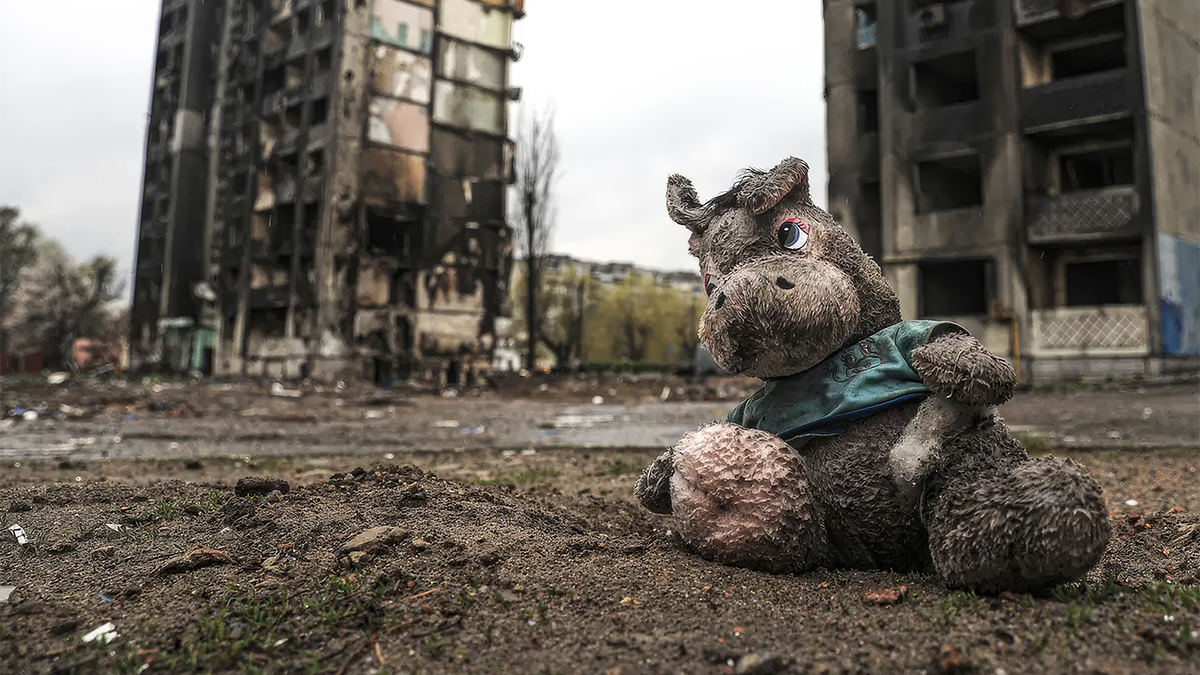
Just war theory was always reluctant permission, not a green light. Resorting to military force is never a display of international strength, but an open admission of bankruptcy. By prioritizing weapons modern states confess that the essential, slower work of human connection was abandoned far too soon.

-
Does the Bible give Israel divine rights over Palestinian land?
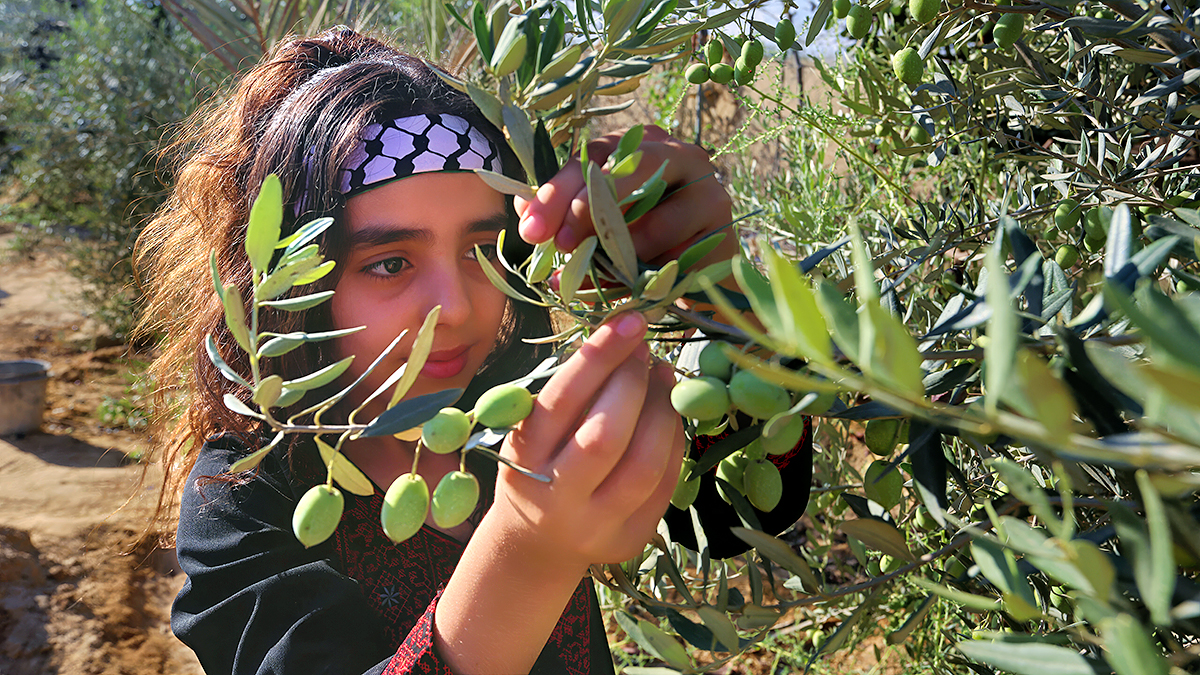
Genesis texts promising land to Abraham’s descendants are frequently cited to justify Israeli occupation. But modern biblical scholarship and Paul’s letter to the Romans challenge any claim that God permanently favours one people over another.
-
The peace of the Resurrection and the call to end war
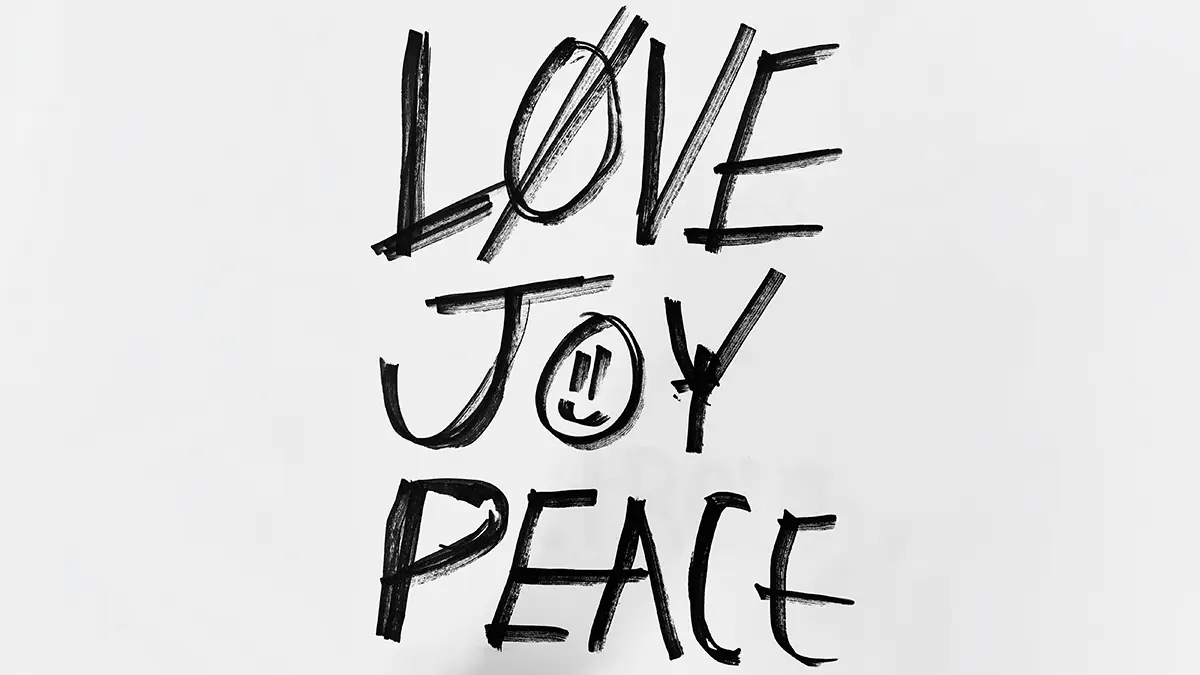
The argument that enemies hide among civilians does not grant unlimited permission to inflict mass casualties on noncombatants. Civilian infrastructure like power grids and food supply chains cannot be obliterated simply because soldiers also depend on electricity and sustenance to carry out their operations.
-
Banksy captures our moment
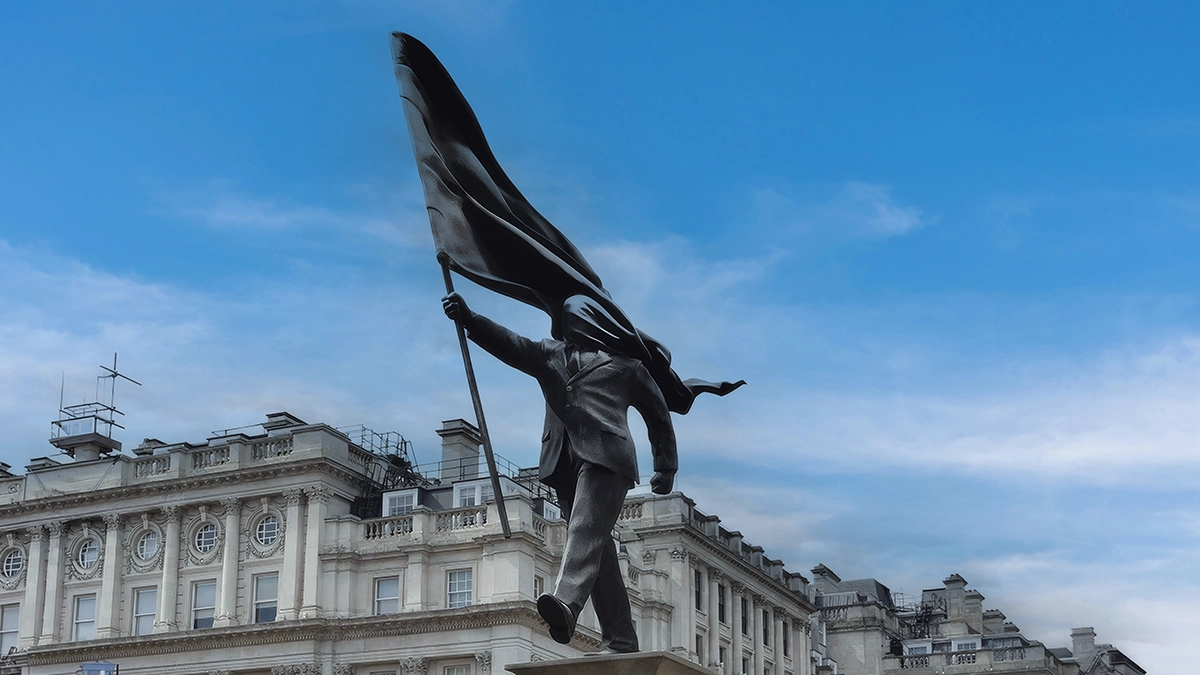
A Banksy statue appeared overnight on a London street — a man in a suit, stepping into thin air. Banal at first glance, the figure crystallises something all the year’s op-eds have failed to: the breathtaking gap between political confidence and political vision in our time.
-
How Iran broke Trump’s alliance with Catholic America
At an Easter vigil for peace, Cardinal McElroy preached that the United States entered the Iran war by choice, not necessity, and failed to exhaust negotiation. He called both its initiation and continuation morally illegitimate.
-
A passive voice is how we hide from the wars we choose
We have constructed an entire vocabulary of evasion around war. Violence “erupts,” conflicts “spiral,” casualties get “reported” — all passive, all subjectless. Leo XIV punctures that fog by insisting someone chose this, restoring human agency and accountability to every act of destruction.
-
Peace starts here
Genuine peace is not always comfortable. Some people try our patience repeatedly. Yet that is precisely where world peace must begin — not in diplomatic summits, but in the ordinary, difficult relationships of everyday life.

-
When barbarians break through the city walls
At Davos, Mark Carney delivered an unusually candid assessment of global power dynamics. The Canadian prime minister argued that smaller nations can no longer rely on international institutions to protect their interests. Instead, they must band together or risk becoming pawns in a game controlled entirely by superpowers.
Get Flashes of Insight
Flash Focal Points
AI Baptism Church History Church Reform Clericalism Communications & Media Compassion Culture Culture & Faith Deacons Digital Age Discipleship Eucharist Faith Faith Dialogue Gender Equality Hope Human Dignity Inclusion Justice Lay Leadership Leadership LGBTQ+ Liturgy Ministry Mission Peace Politics Pope Francis Pope Leo XIII Poverty Prayer Priesthood Social Justice Synodality Theology Tradition Vatican Vatican II War Women Women's Ordination Women Deacons Women in Ministry Youth
Donate
All services bringing Flashes of Insight are donated.
Significant costs, such as those associated with site hosting, site design, and email delivery, mount up.
Flashes of Insight will shortly look for donations.