
Liturgy
-
The way the Church becomes Church
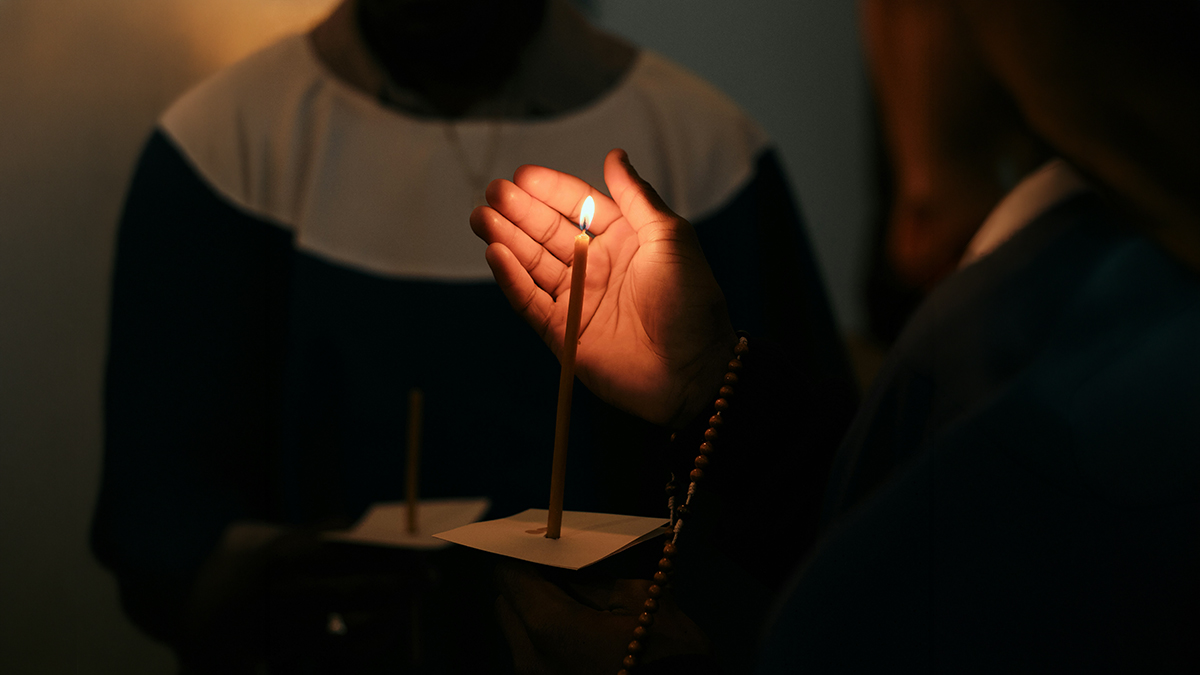
Courses and timetables treat initiation as a service delivered, like getting the washing machine repaired. Accompaniment, not added hurdles, offers a gentler, more personal road into the life of the Church.
-
Eucharist is a verb before it’s a noun
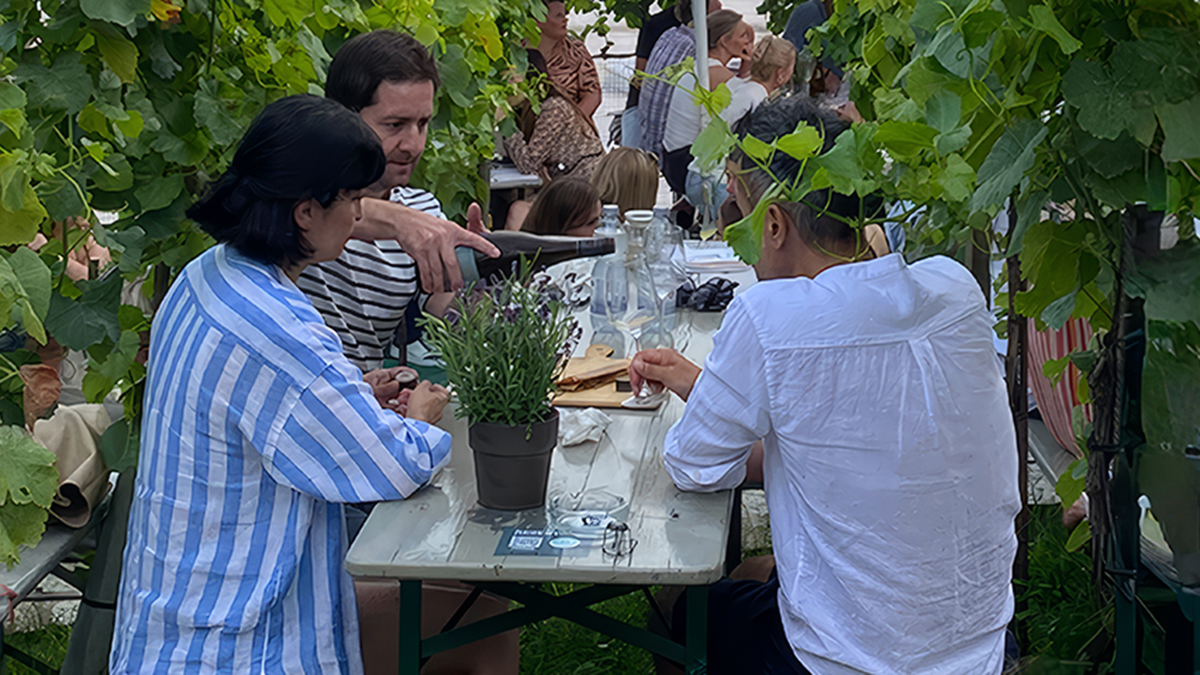
Celebration, not just consecration, sits at the center of this theologian’s rethinking of what happens at Mass. A priest’s authority to act “in the person of Christ” is inseparable from acting in the person of the whole Church.
-
What’s a Cathedral for?
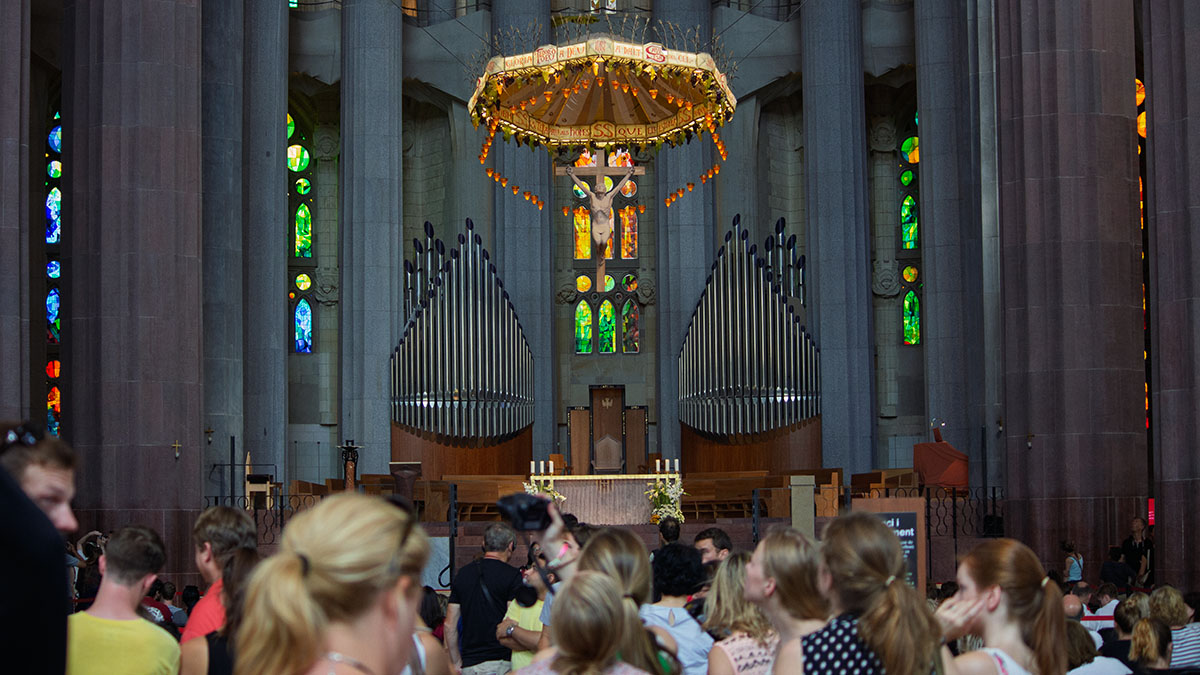
Understanding a cathedral without grasping worship is like admiring an airport without understanding flight or its purpose.
-
We become what we sing
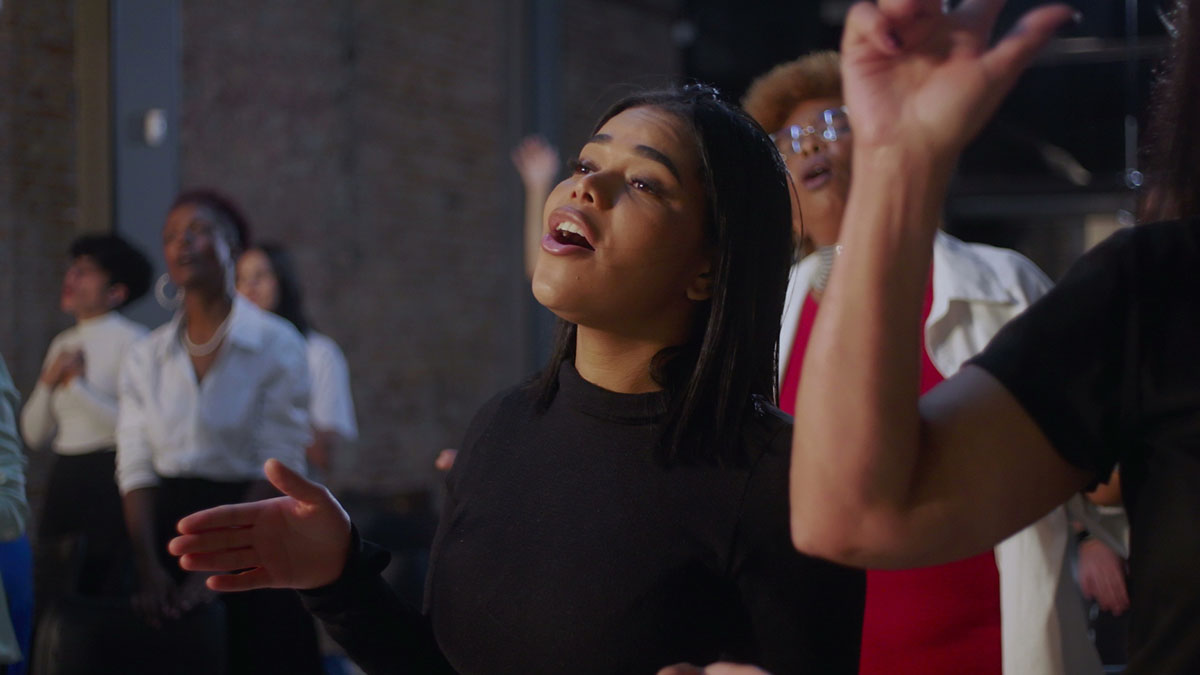
Communal singing does more than lift a mood — it forms belief, binds strangers and slowly becomes part of what a congregation holds true.
-
Lay preaching: A way forward
German bishops sought room for lay voices at Mass, but Rome’s answer shows how firmly the homily stays a clerical role.
-
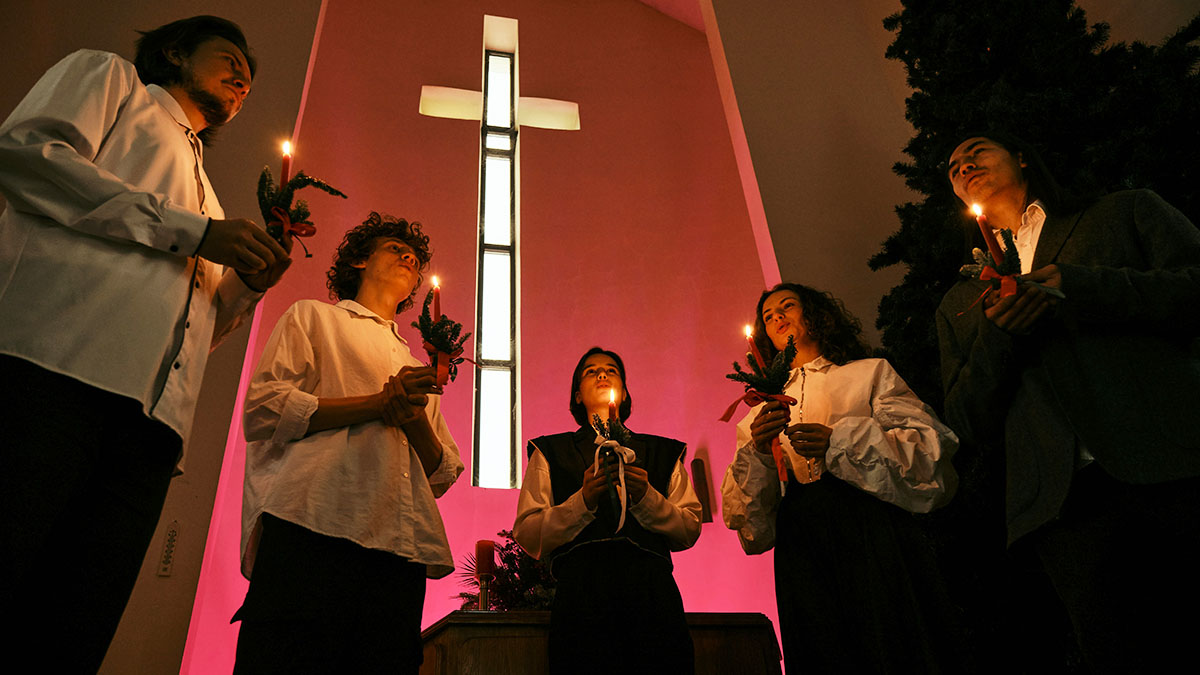
Worship needs the senses
Comparing a Canadian church service with Catholic liturgy reveals how ritual, symbol and abundance shape joyful, lasting faith.
-
Lay preaching: it’s not who preaches — it’s who’s heard
The German bishops wanted to promote the lay homily. It was of no use: the liturgy dicastery rejected the request – and made it clear where it sees the place of laypeople in the liturgy.

-
The space between
In a world of instant replies, Jesus waited! Even while healing urgently, Jesus paused for one quiet interruption, a reminder that presence matters more than speed.

-
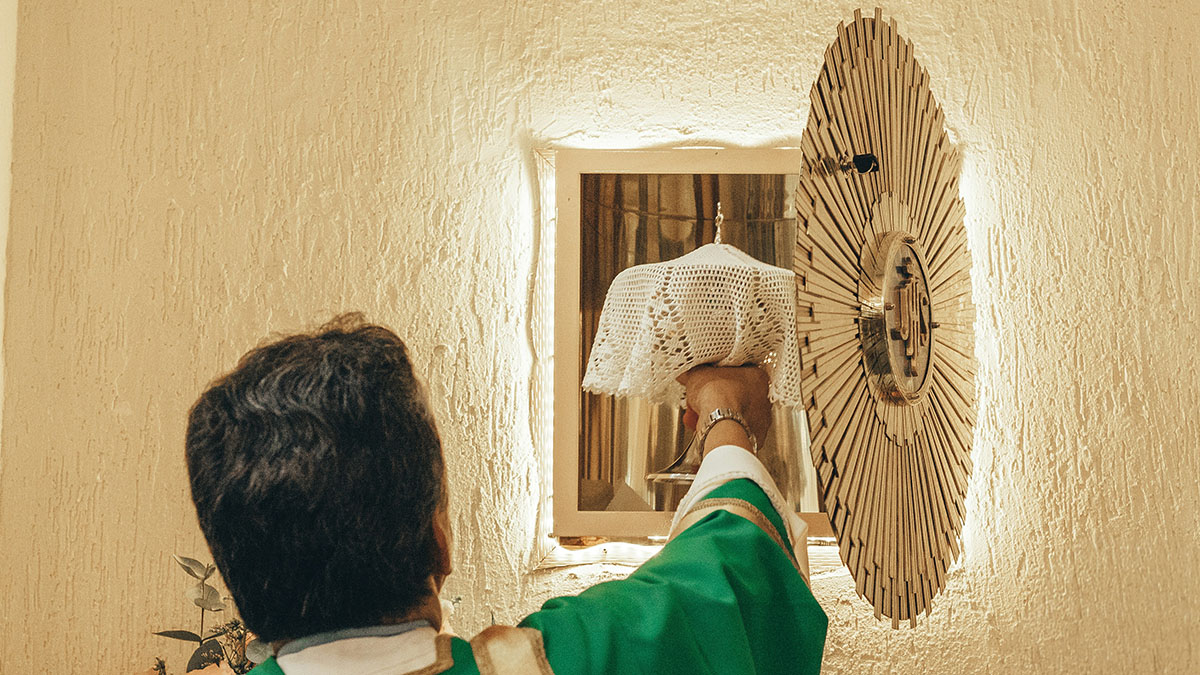
The Tabernacle is the message
Faithful should receive hosts from the same Mass — yet it rarely happens anymore.
-
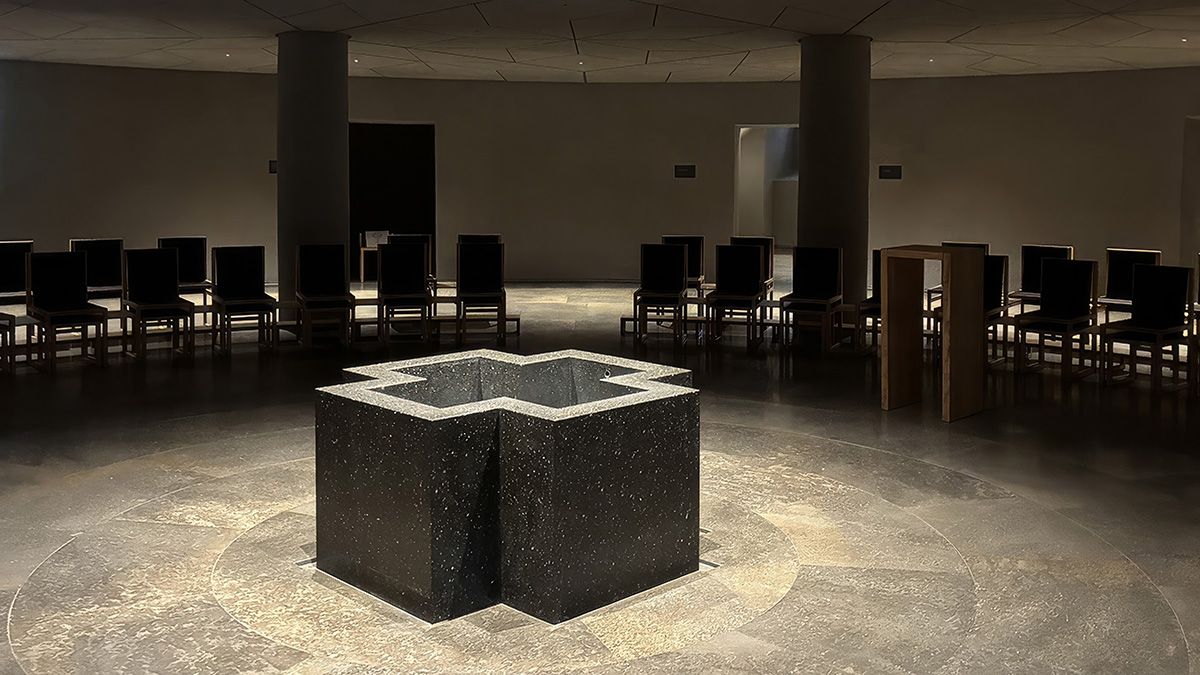
Kneelers to circles: Berlin reimagines the liturgy
“Recent editions of Flashes have discussed the virtues of standing rather than kneeling during the liturgy. We’ve had ‘Restoring kneelers!’ (23 June), ‘When kneeling divides rather than unites’ (30 June), and ‘Standing to pray: sign of a priestly people’ (7 July). The authors all want us to stand before God.”
Get Flashes of Insight
Flash Focal Points
AI Baptism Church History Church Reform Clericalism Communications & Media Compassion Culture Culture & Faith Deacons Digital Age Discipleship Eucharist Faith Faith Dialogue Gender Equality Hope Human Dignity Inclusion Justice Lay Leadership Leadership LGBTQ+ Liturgy Ministry Mission Peace Politics Pope Francis Pope Leo XIII Poverty Prayer Priesthood Social Justice Synodality Theology Tradition Vatican Vatican II War Women Women's Ordination Women Deacons Women in Ministry Youth
Donate
All services bringing Flashes of Insight are donated.
Significant costs, such as those associated with site hosting, site design, and email delivery, mount up.
Flashes of Insight will shortly look for donations.