
Mission
-
The Church — a test of Christ’s compassion
Compassion takes shape in ordinary human lives, in small acts of presence that make divine love something people can touch.

-
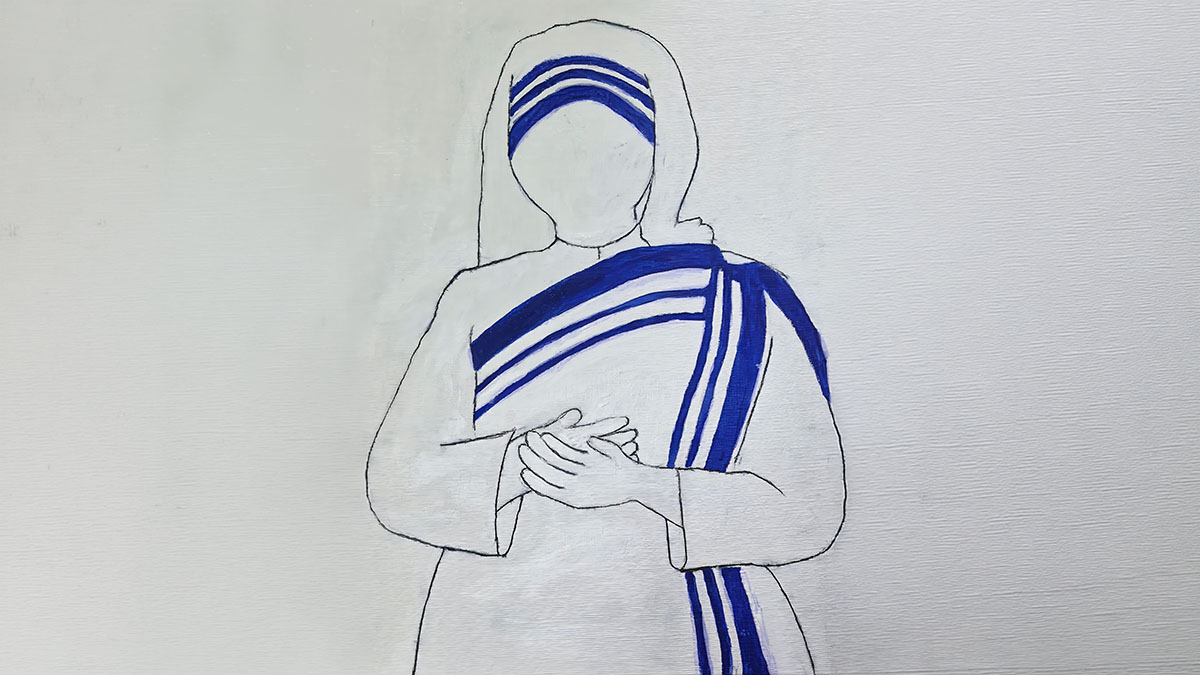
The sari that speaks
Choosing Indian dress over European habits, Mother Teresa modeled a form of inculturation the Church would only later embrace. The modest garment worn by street cleaners became a worldwide emblem of compassion, poverty and spiritual commitment.
-
The little man on the cross!
Meaning and comprehension aren’t the same thing, and sacred spaces may work on people long before belief does.

-
Reconciliation without truth is enforced forgetting
Real reconciliation requires truth-telling, repentance and accountability, not pressure on victims to move on quickly.

-
Holiness is wholeness for modern life
Inner character and outward commitments like solidarity, the common good and care for creation work together, not separately.

-
Forming leaders in a missionary church
Synodality asks how the church should act together, but formation for the leaders who must live it out remains an afterthought.

-
Parish mergers not enough to save a shrinking church
Consolidating parishes by staffing numbers addresses the symptoms, but real renewal asks something deeper of communities facing decline.

-
When parishes pick maintenance over mission
Reflection meetings reveal real comfort with stewardship and clear reluctance toward mission, a pattern that could spell trouble across post-Christian Britain.

-
Service, not imposition: the church’s place in public life
Leo insists the church respects political autonomy, affirming separation of church and state andrejects Christian nationalism outright.

-
Can the church compete?
We do not live the faith alone — but fewer young people are choosing to live it at all. With church attendance competing with sport, children’s parties, and endless leisure alternatives, parishes need to actively reimagine how they engage young people, or there maybe no one left!

Get Flashes of Insight
Flash Focal Points
AI Baptism Church History Church Reform Clericalism Communications & Media Compassion Culture Culture & Faith Deacons Digital Age Discipleship Eucharist Faith Faith Dialogue Gender Equality Hope Human Dignity Inclusion Justice Lay Leadership Leadership LGBTQ+ Liturgy Ministry Mission Peace Politics Pope Francis Pope Leo XIII Poverty Prayer Priesthood Social Justice Synodality Theology Tradition Vatican Vatican II War Women Women's Ordination Women Deacons Women in Ministry Youth
Donate
All services bringing Flashes of Insight are donated.
Significant costs, such as those associated with site hosting, site design, and email delivery, mount up.
Flashes of Insight will shortly look for donations.