
Church Reform
-
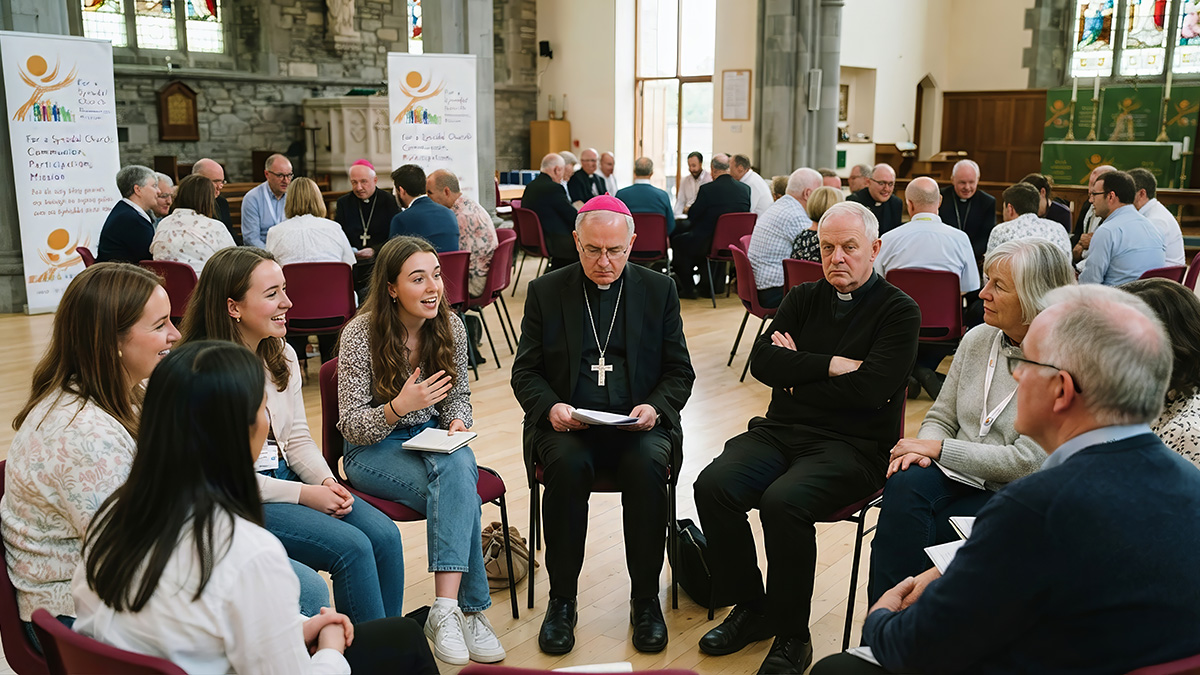
The synod that forgot what it heard
When a process omits its own findings, listening begins to look like selective hearing, and discernment begins to look manufactured.
-
The hard part — implementing Synodality
Approving a document was the easy. What happens next depends on whether laity, bishops and priests actually change how decisions get made.

-
Who protects institutions from people who run them?
Infantino’s Football World Cup proposal shows how easily leaders can treat the financialisation of civic and not-for-profit institutions they don’t own as personal property.

-
Lay preaching: it’s not who preaches — it’s who’s heard
The German bishops wanted to promote the lay homily. It was of no use: the liturgy dicastery rejected the request – and made it clear where it sees the place of laypeople in the liturgy.

-
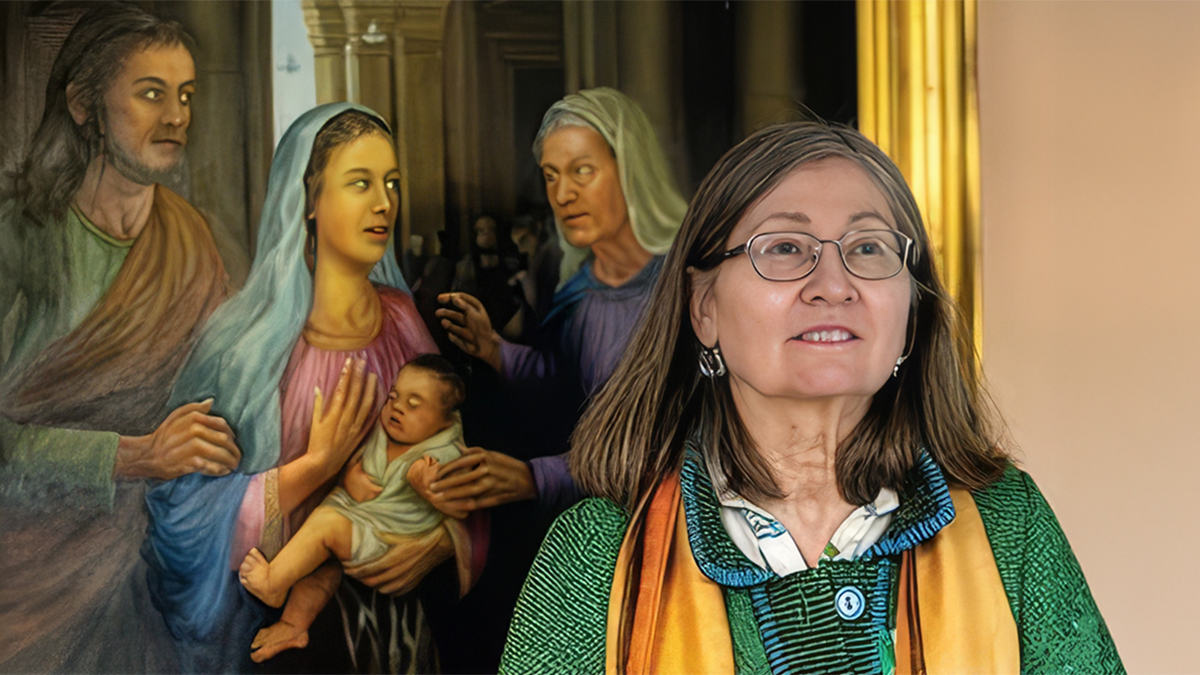
The bishop said “you should be ashamed of yourself”
One woman’s decades-long calling to priesthood was met with shame, silence and repeated institutional denial.
-
Bizarre religion
The Taliban ban on women praying aloud sparks a harder question about the bizarre rules quietly embedded in every faith, including one’s own.

-
The whole stadium feels it first
A room that listens this way learns things about itself that a closed room never could have learned.

-
Parish mergers not enough to save a shrinking church
Consolidating parishes by staffing numbers addresses the symptoms, but real renewal asks something deeper of communities facing decline.

-
When parishes pick maintenance over mission
Reflection meetings reveal real comfort with stewardship and clear reluctance toward mission, a pattern that could spell trouble across post-Christian Britain.

-
Women’s Synod report longer with less to say
Drawing on Acts 10-15 and real testimony, one Synod group offered open questions and discernment rather than closing the door with a pronouncement.

Get Flashes of Insight
Flash Focal Points
AI Baptism Church History Church Reform Clericalism Communications & Media Compassion Culture Culture & Faith Deacons Digital Age Discipleship Eucharist Faith Faith Dialogue Gender Equality Hope Human Dignity Inclusion Justice Lay Leadership Leadership LGBTQ+ Liturgy Ministry Mission Peace Politics Pope Francis Pope Leo XIII Poverty Prayer Priesthood Social Justice Synodality Theology Tradition Vatican Vatican II War Women Women's Ordination Women Deacons Women in Ministry Youth
Donate
All services bringing Flashes of Insight are donated.
Significant costs, such as those associated with site hosting, site design, and email delivery, mount up.
Flashes of Insight will shortly look for donations.