
War
-
Pope Leo started a conversation that Silicon Valley cannot ignore
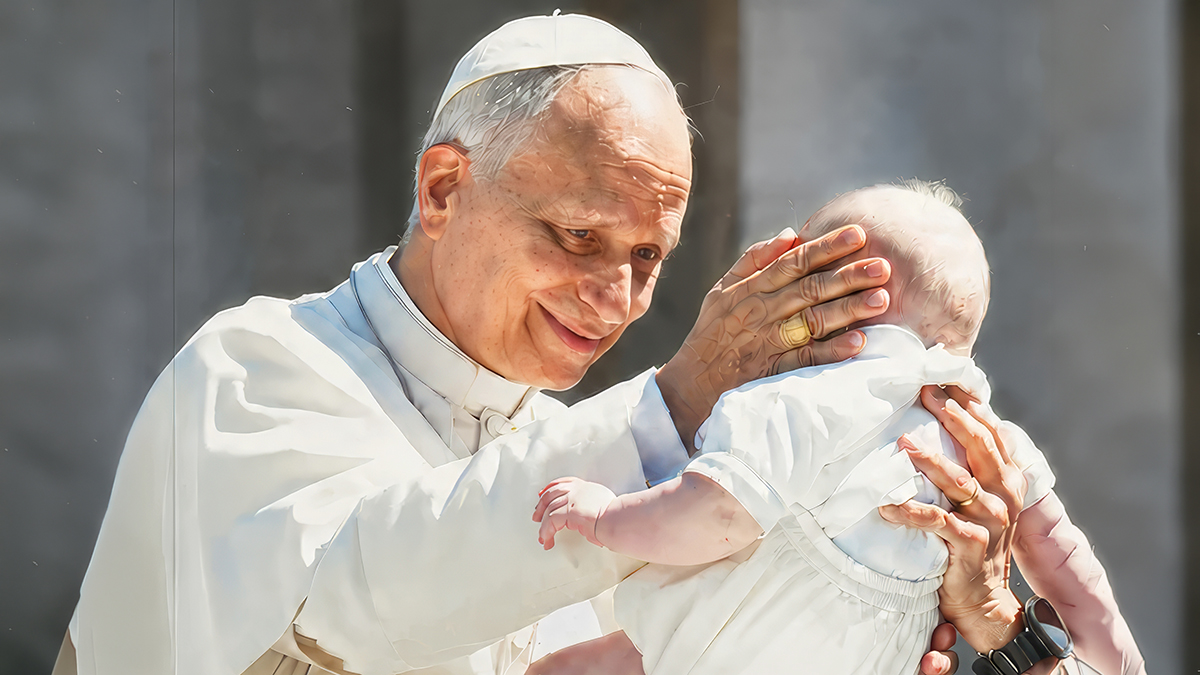
Journalism and Innovation Professor Jeff Jarvis is clear: Pope Leo does not declare war on AI or technology. Those expecting papal condemnation will be disappointed. This encyclical is something rarer — a thoughtful framework for the long conversation ahead, intended not for this moment but for generations.
-
Leaders choose war; Christians must choose peace
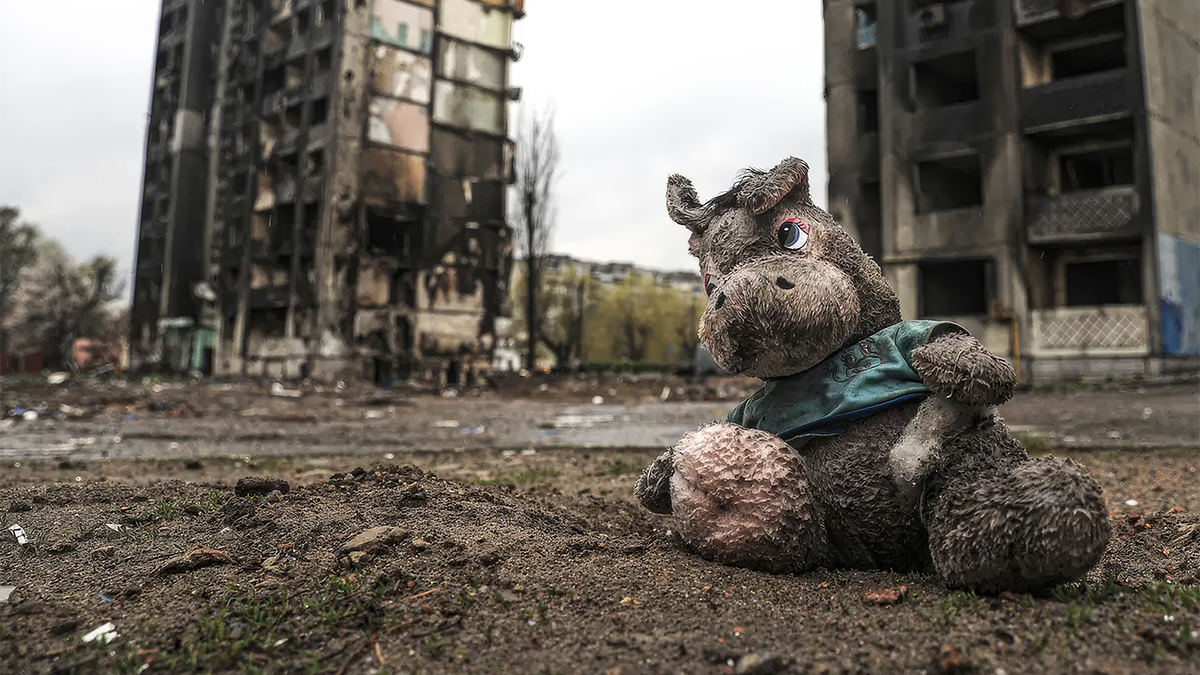
Political self-righteousness fuels wars abroad and bigotry at home, yet faith traditions share foundational values of peace and respect. Staying silent while people suffer contradicts the gospel. Believers must act as bearers of peace, starting in their households and extending to care for the earth.
-
Just war theory – more like confession than permission
Just war theory was always reluctant permission, not a green light. Resorting to military force is never a display of international strength, but an open admission of bankruptcy. By prioritizing weapons modern states confess that the essential, slower work of human connection was abandoned far too soon.

-
Trump’s attacks elevate Pope Leo
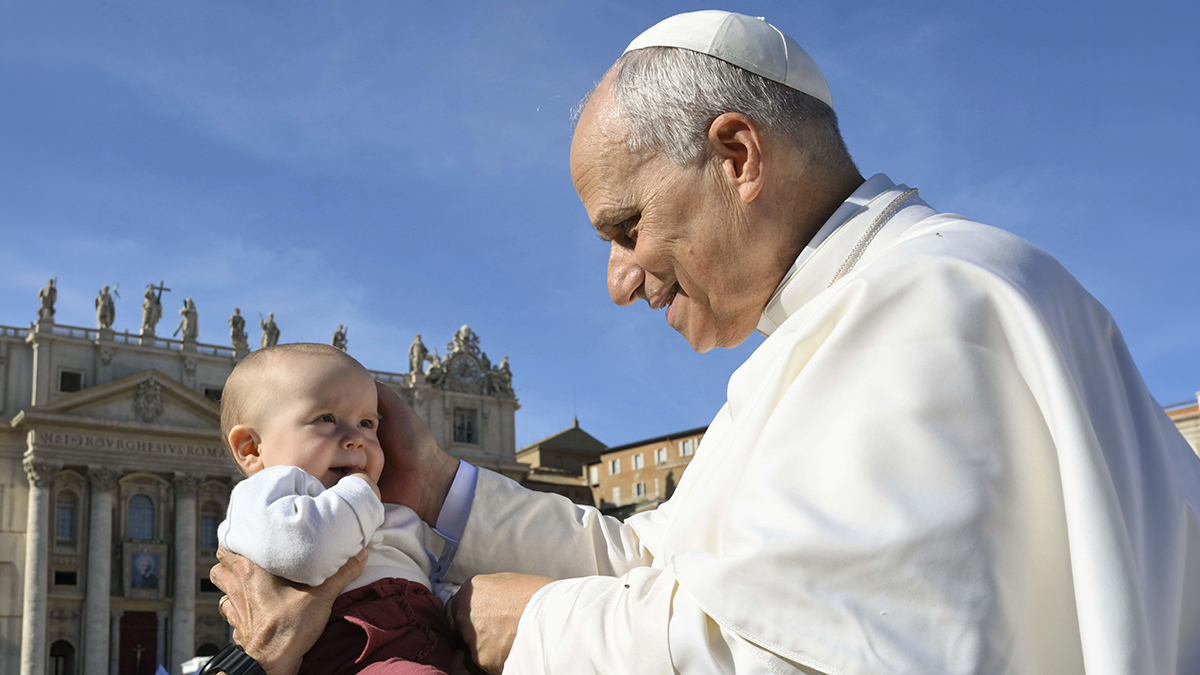
Donald Trump’s repeated derogatory remarks about Pope Leo have paradoxically transformed the pontiff from a figure of mild curiosity into a confirmed world leader. His steady appeals to the just war tradition now command mainstream media attention rather than being buried in back pages.
-
Trump raises voice; Vatican lowers heat
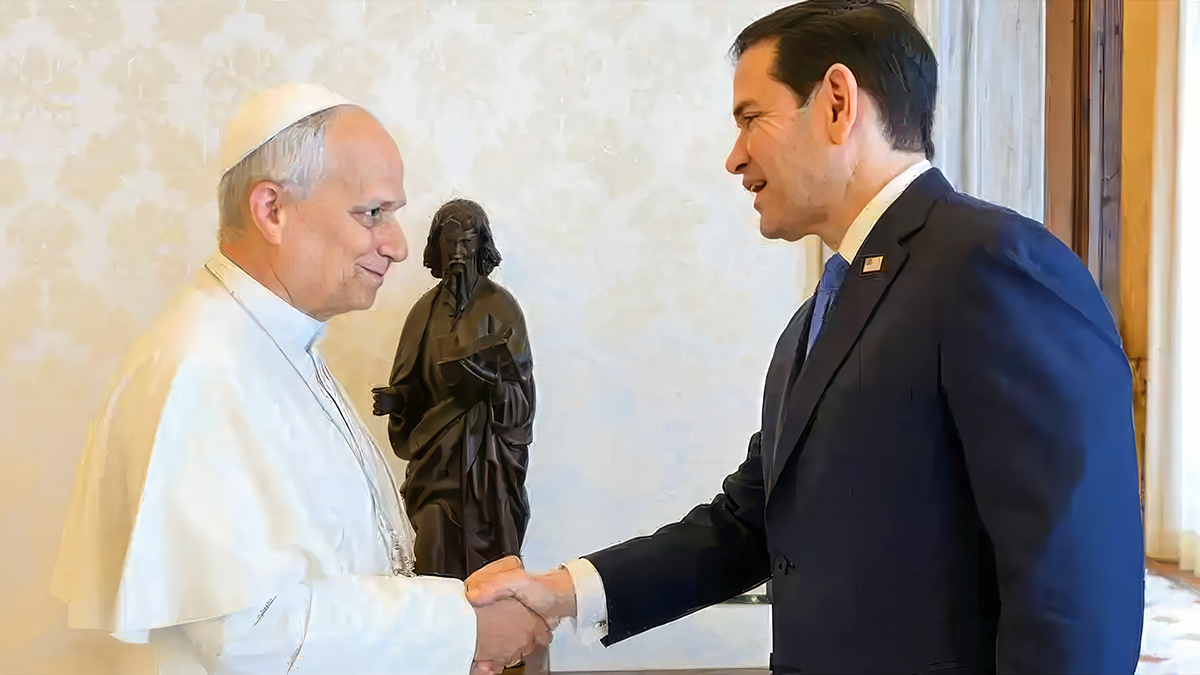
One year into his pontificate, Leo XIV has moved beyond cautious silence. During Rubio’s visit, the Vatican deployed no sanctions or threats — the pope used the vocabulary of peace and compelled the American delegation to echo it. Prevost has emerged as a moral voice insisting that moral authority still commands a hearing.
-
Why the Iran war is immoral
A hospital is not a fortress. A school is not an armory. A child eating breakfast is not collateral damage waiting to happen. The just war tradition draws these lines in indelible ink, yet the fog of war keeps producing erasers — and generals willing to use them.
-
The peace of the Resurrection and the call to end war
The argument that enemies hide among civilians does not grant unlimited permission to inflict mass casualties on noncombatants. Civilian infrastructure like power grids and food supply chains cannot be obliterated simply because soldiers also depend on electricity and sustenance to carry out their operations.

-
Banksy captures our moment
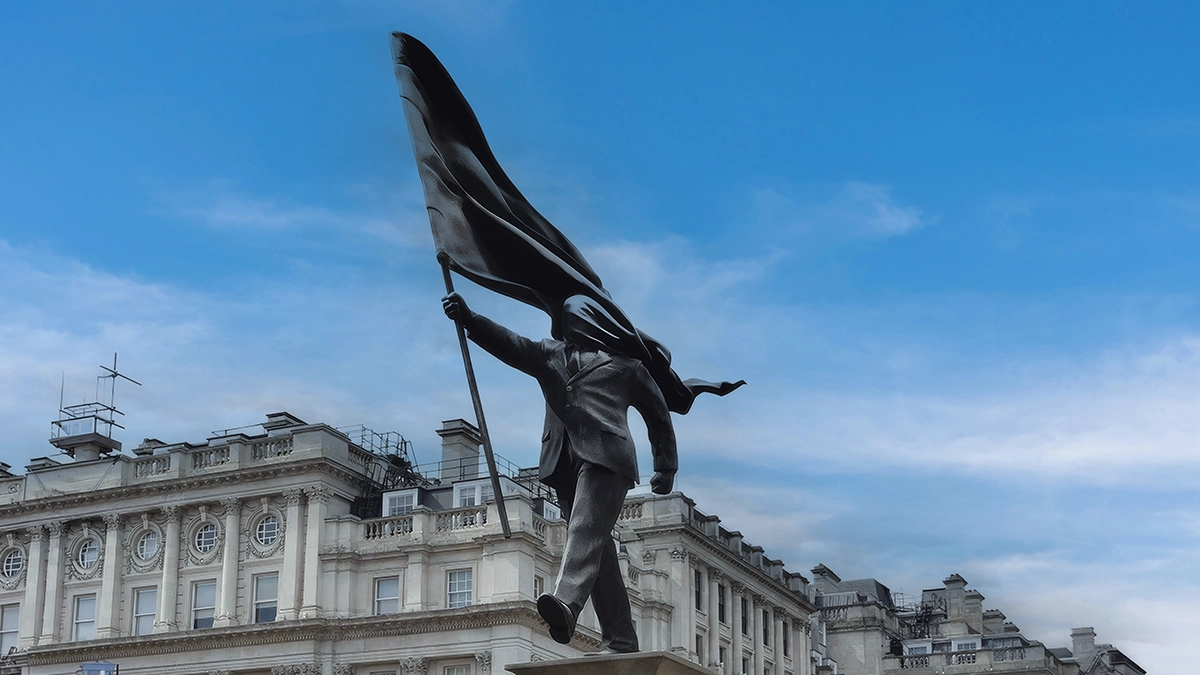
A Banksy statue appeared overnight on a London street — a man in a suit, stepping into thin air. Banal at first glance, the figure crystallises something all the year’s op-eds have failed to: the breathtaking gap between political confidence and political vision in our time.
-
How Iran broke Trump’s alliance with Catholic America
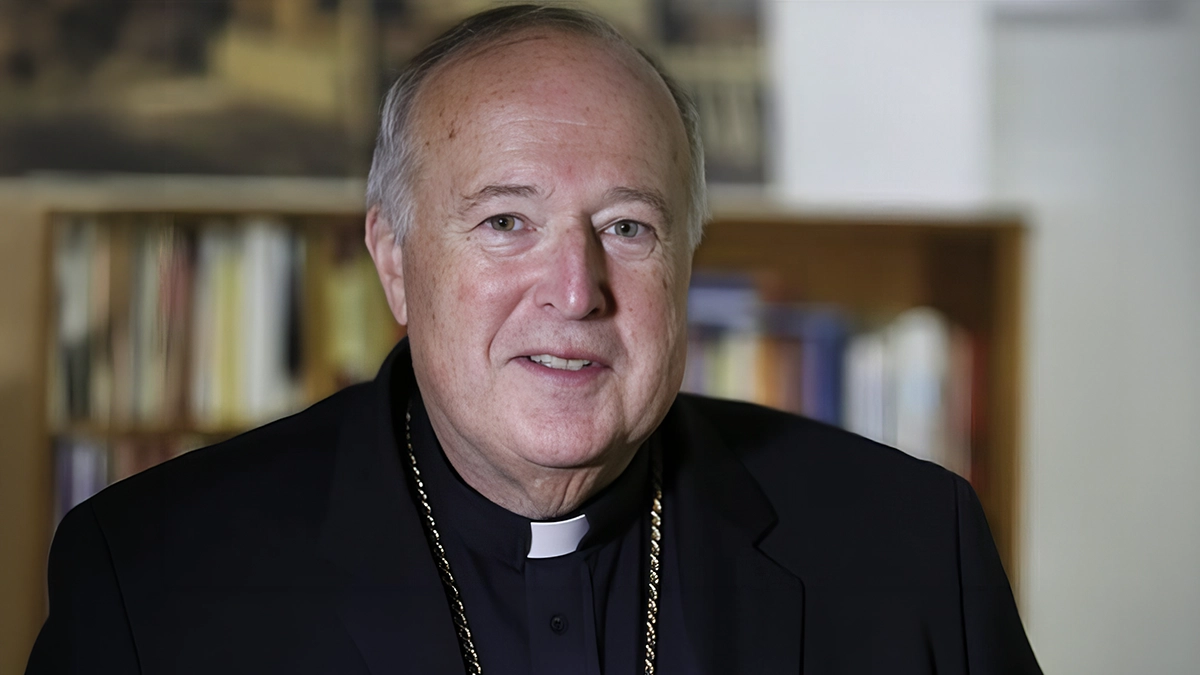
At an Easter vigil for peace, Cardinal McElroy preached that the United States entered the Iran war by choice, not necessity, and failed to exhaust negotiation. He called both its initiation and continuation morally illegitimate.
-
A passive voice is how we hide from the wars we choose
We have constructed an entire vocabulary of evasion around war. Violence “erupts,” conflicts “spiral,” casualties get “reported” — all passive, all subjectless. Leo XIV punctures that fog by insisting someone chose this, restoring human agency and accountability to every act of destruction.
Get Flashes of Insight
Flash Focal Points
AI Baptism Church History Church Reform Clericalism Communications & Media Compassion Culture Culture & Faith Deacons Digital Age Discipleship Eucharist Faith Faith Dialogue Gender Equality Hope Human Dignity Inclusion Justice Lay Leadership Leadership LGBTQ+ Liturgy Ministry Mission Peace Politics Pope Francis Pope Leo XIII Poverty Prayer Priesthood Social Justice Synodality Theology Tradition Vatican Vatican II War Women Women's Ordination Women Deacons Women in Ministry Youth
Donate
All services bringing Flashes of Insight are donated.
Significant costs, such as those associated with site hosting, site design, and email delivery, mount up.
Flashes of Insight will shortly look for donations.