
Pope Leo XIV
-
Writing to two popes for a vocation denied
Four letters to Pope Francis went unanswered. A single appeal to Pope Leo XIV finally brought a reply, along with healing and a way back.

-
The rise and rise of Conversations in the Spirit
Who attends, who sets the agenda, who writes the report and who acts on it. These questions test whether co-responsibility exists.

-
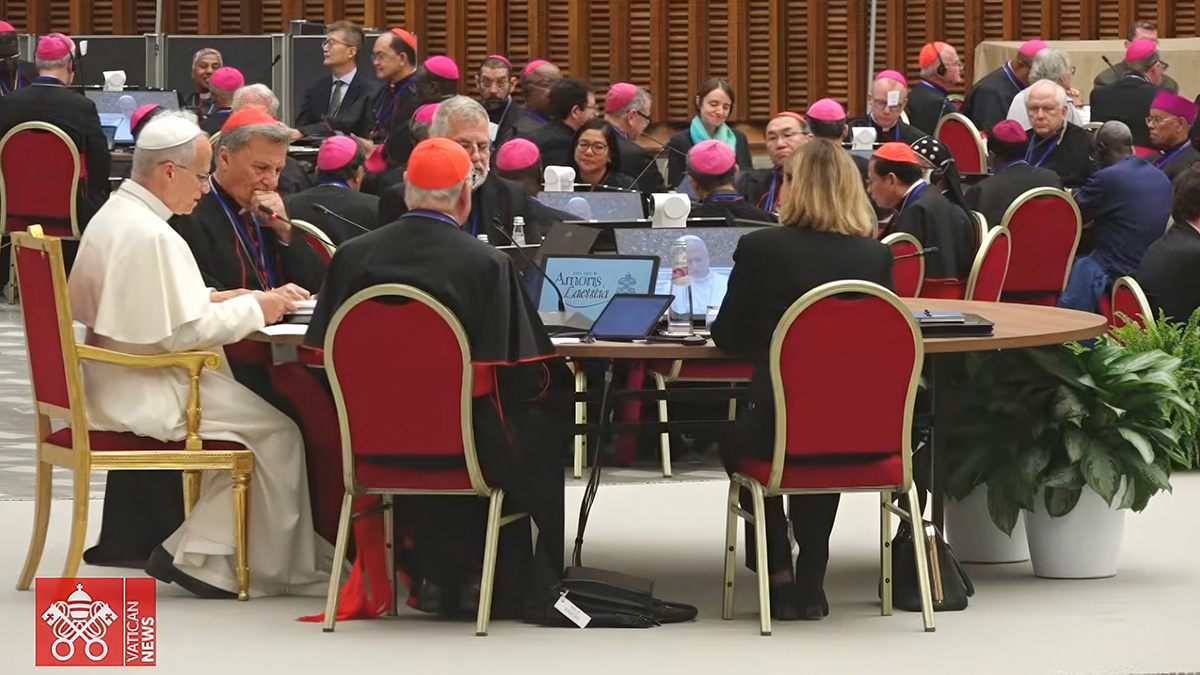
Pope Leo is teaching the church the virtue of patience
Like Francis, Leo understands the synodal process is more important than any teaching that comes out of the event.
-
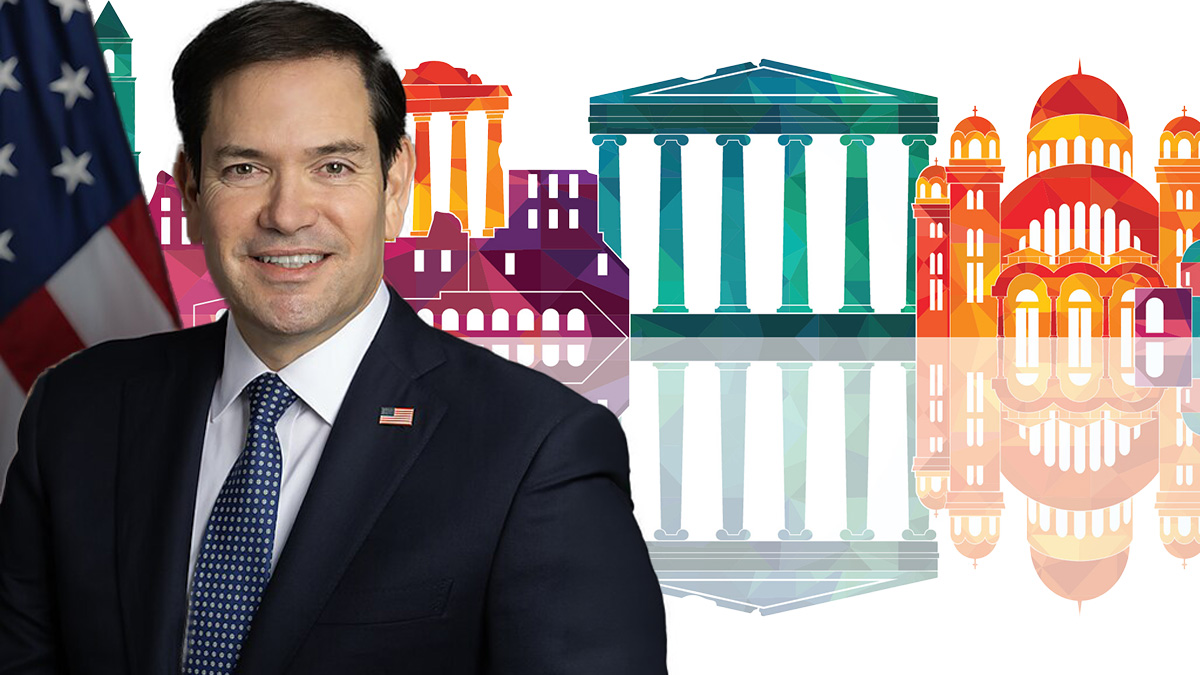
Rubio’s Athens speech and the widening Atlantic
As the Trump administration binds Christianity to Western civilization and an “America First” vision, the Vatican under Pope Leo XIV resists, defending a global Church against becoming a tool of empire.
-
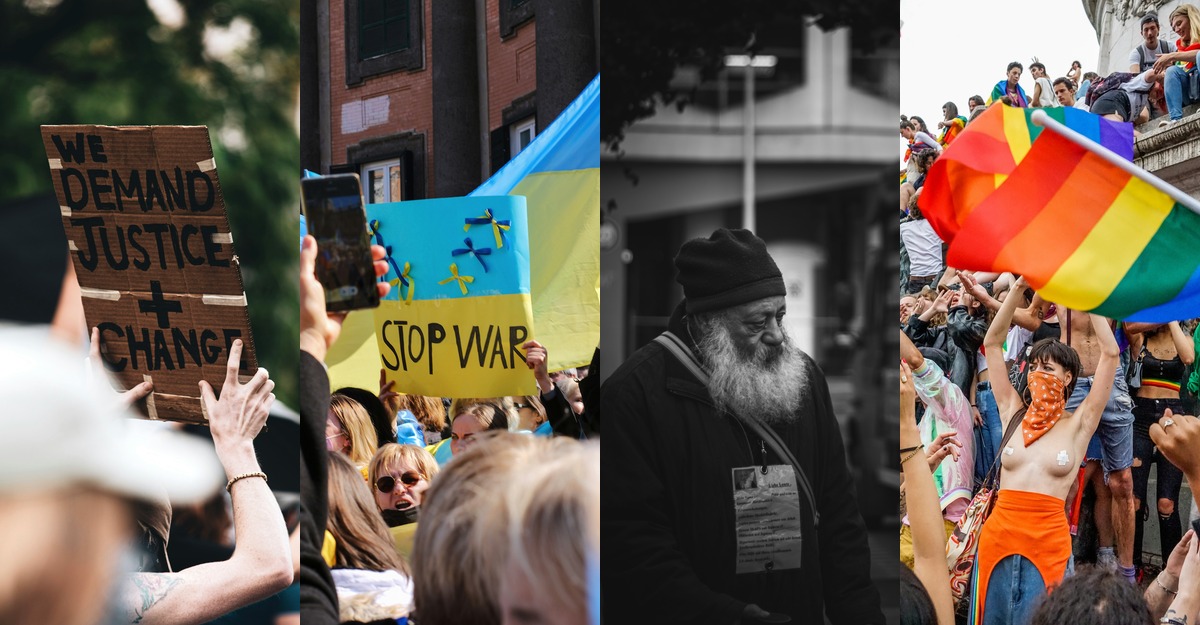
A recalibration in Catholic moral teaching
Justice, equality and religious freedom outrank sexual ethics, Pope Leo told reporters in April, quietly reshaping Catholic moral priorities.
-
Social contract: Escaping the technocratic trap
When efficiency and profit outrank compassion, people become data points. Cardinal McElroy insists that work means agency, relationship and contribution.

-
Safeguarding must be a culture, not a checklist
Reporting mandates and national guidelines set the minimum. Lasting protection for children means reconciling Church culture with the mind of Christ.

-
A Church learning to walk without a map
In Europe Leo contended with secular unbelief; in South America he meets something subtler, a people who still pray yet no longer belong.

-
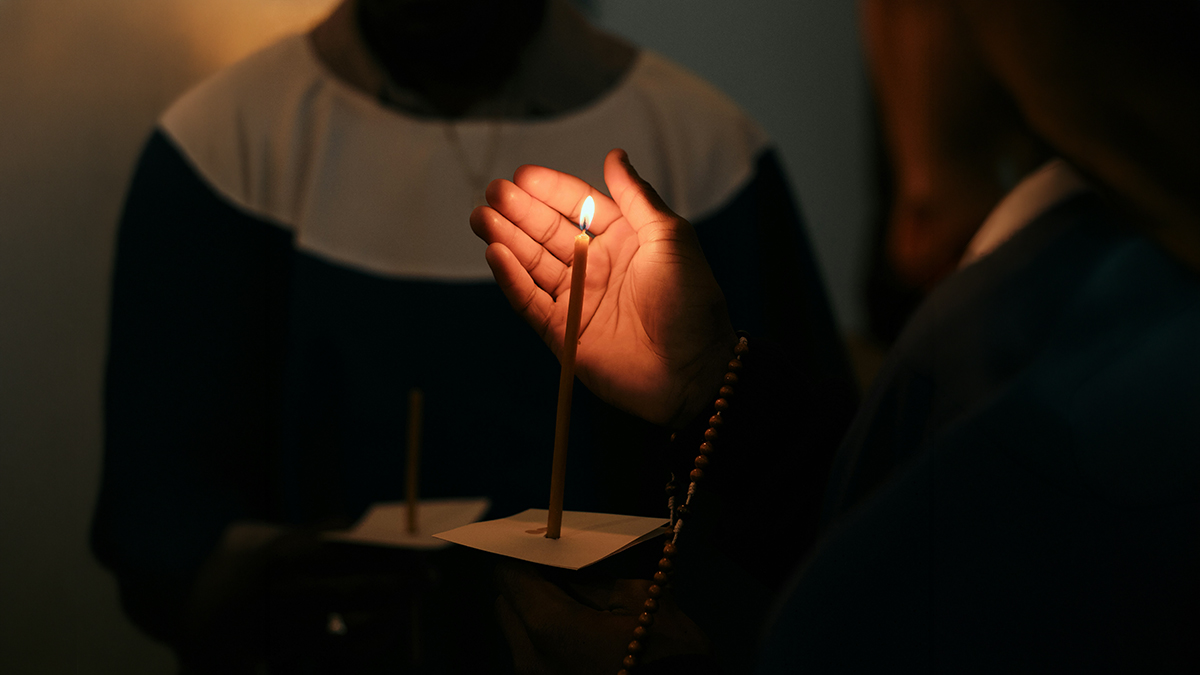
The way the Church becomes Church
Courses and timetables treat initiation as a service delivered, like getting the washing machine repaired. Accompaniment, not added hurdles, offers a gentler, more personal road into the life of the Church.
-
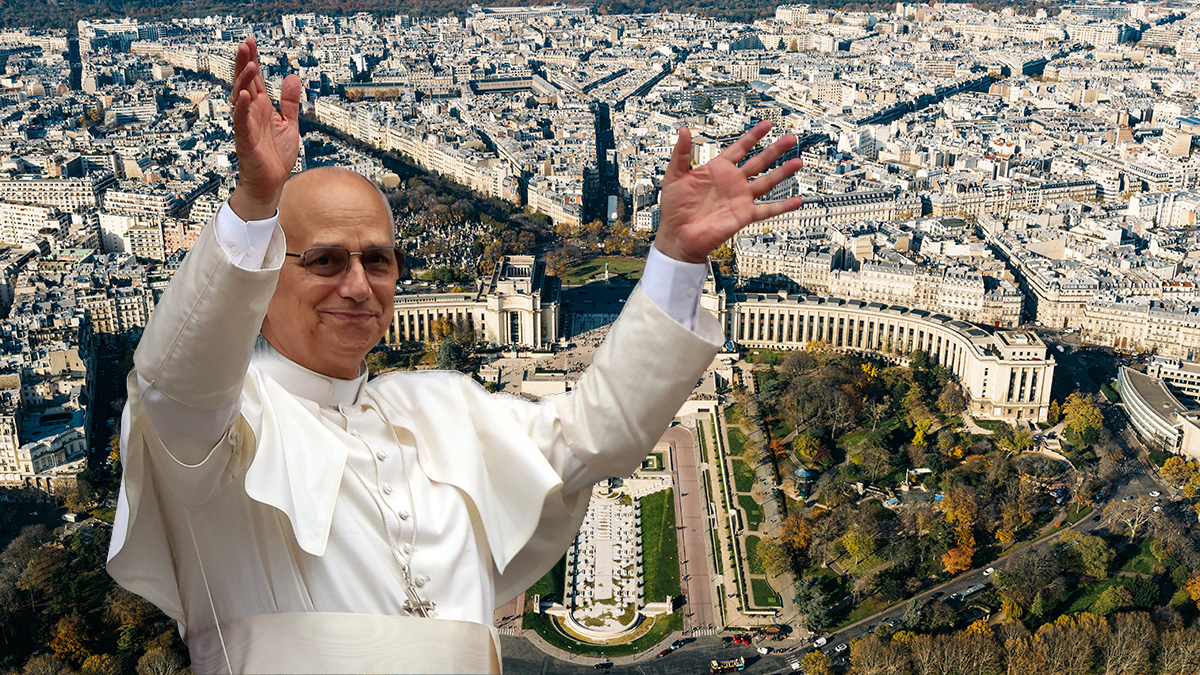
Leo’s France visit shows church and country are changing
Youth in France greeted Pope Leo like a rockstar, European representatives welcomed him as a respected leader who supports multilateralism, reconciliation, justice and peace.
Get Flashes of Insight
Flash Focal Points
AI Baptism Church History Church Reform Clericalism Communications & Media Compassion Culture Culture & Faith Digital Age Discipleship Eucharist Faith Faith Dialogue Gender Equality Hope Human Dignity Inclusion Justice Lay Leadership Leadership LGBTQ+ Liturgy Ministry Mission Peace Politics Pope Francis Pope Leo XIV Poverty Prayer Priesthood Reconciliation Social Justice Synodality Theology Tradition Vatican Vatican II War Women Women's Ordination Women Deacons Women in Ministry Youth
Donate
All services bringing Flashes of Insight are donated.
Significant costs, such as those associated with site hosting, site design, and email delivery, mount up.
Flashes of Insight will shortly look for donations.