
Synodality
-
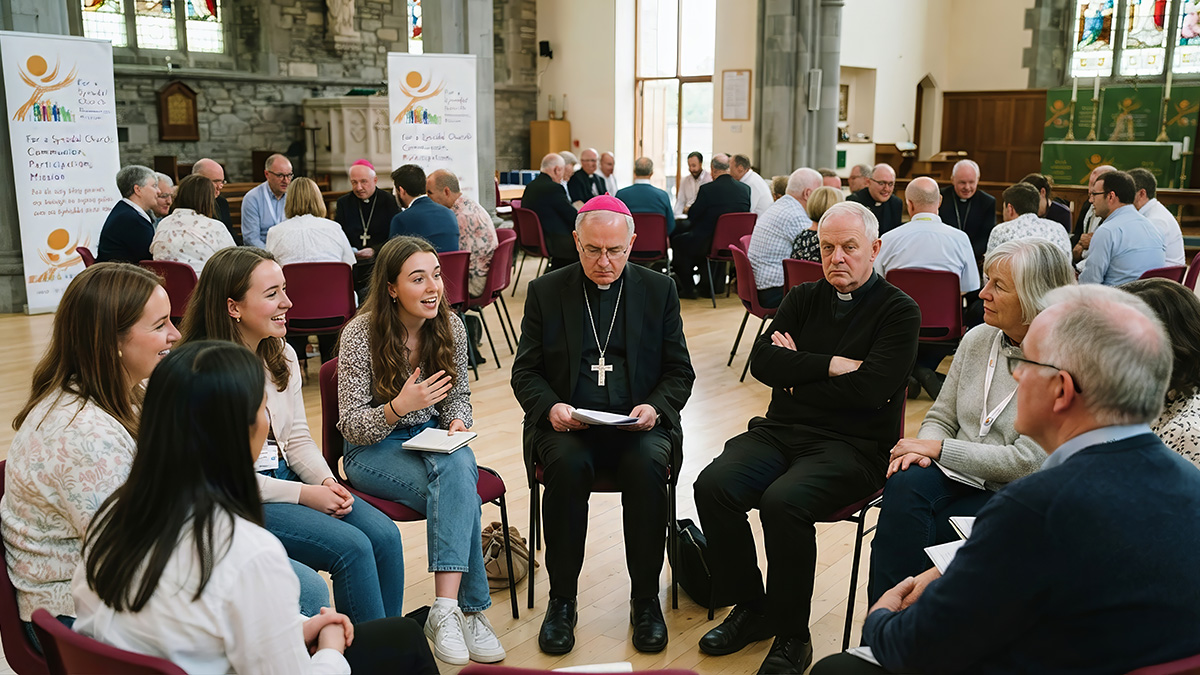
The synod that forgot what it heard
When a process omits its own findings, listening begins to look like selective hearing, and discernment begins to look manufactured.
-
Thinking beyond the box
Secular culture hasn’t erased the search for meaning; it has simply changed the language believers must learn to speak.

-
The hard part — implementing Synodality
Approving a document was the easy. What happens next depends on whether laity, bishops and priests actually change how decisions get made.

-
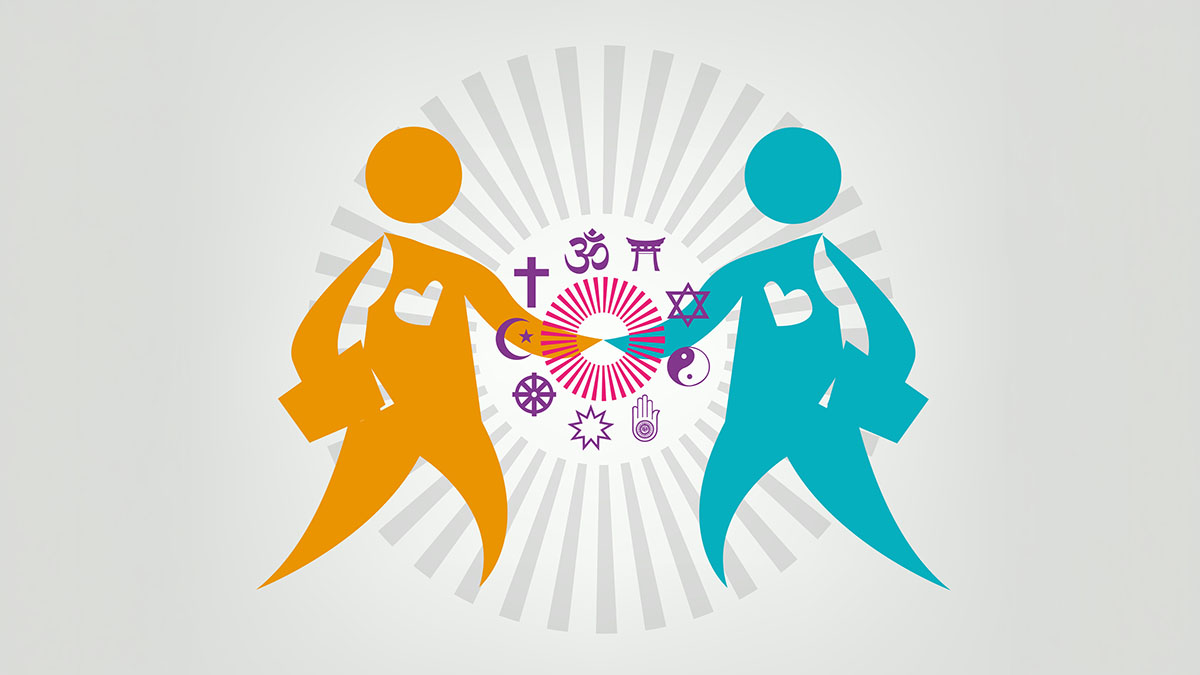
Does the Spirit speak in every heart?
Exploring how Christians can hold firm beliefs while genuinely respecting neighbors of other faiths in daily life.
-
Theological literacy – more than a digital download
Christian theology means trained reflection on faith and practice, not memorized facts, and that skill belongs to more than clergy alone.

-
We cannot avoid theology as disciples
Rather than mining history for precedent, a case is made for asking what serves the kingdom of God going forward.

-
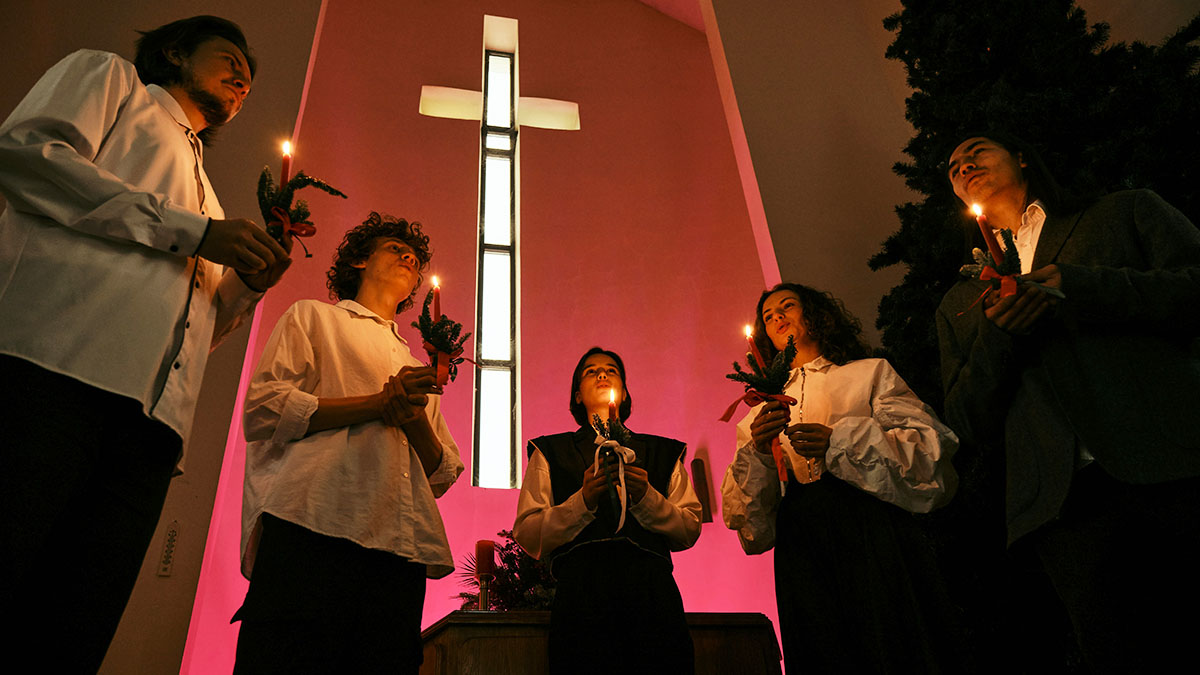
Worship needs the senses
Comparing a Canadian church service with Catholic liturgy reveals how ritual, symbol and abundance shape joyful, lasting faith.
-
Theology as a resource in Christian discipleship
Theological literacy is a tool every disciple needs to navigate faith, doubt and daily life. It makes everyday life easier and richer.

-
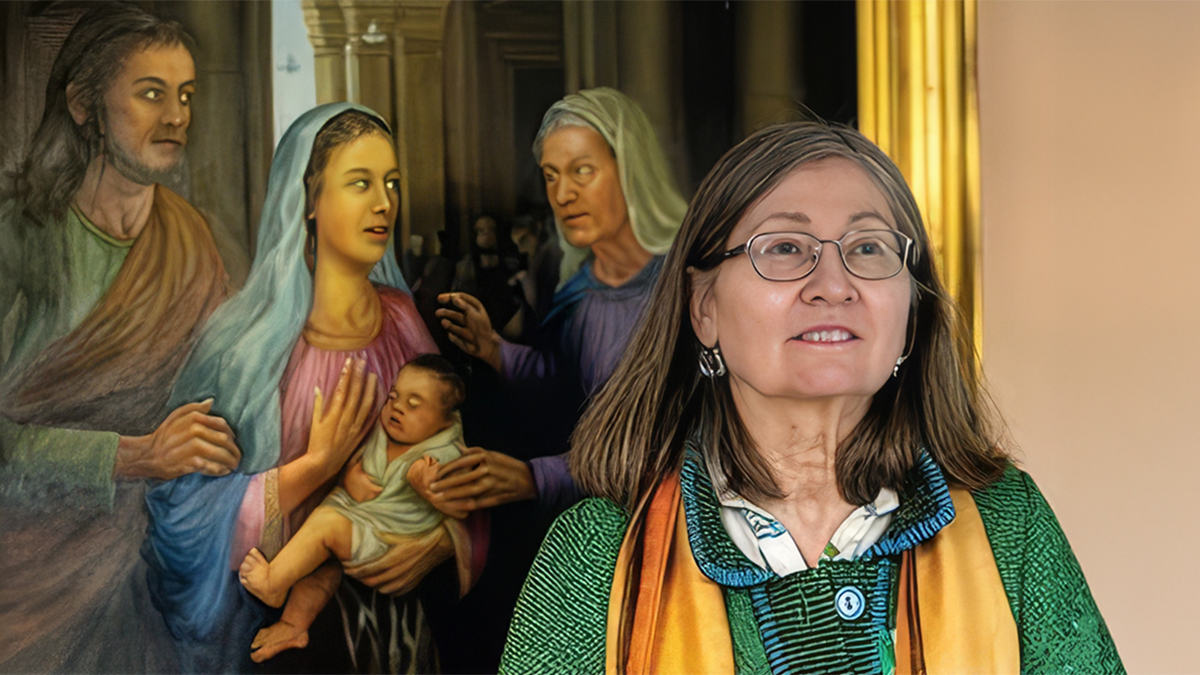
The bishop said “you should be ashamed of yourself”
One woman’s decades-long calling to priesthood was met with shame, silence and repeated institutional denial.
-
What if the Algorithm wears a Mitre?
A non-clericalist model is essential if the church hopes to keep the passion and creativity of lay believers.

Get Flashes of Insight
Flash Focal Points
AI Baptism Church History Church Reform Clericalism Communications & Media Compassion Culture Culture & Faith Deacons Digital Age Discipleship Eucharist Faith Faith Dialogue Gender Equality Hope Human Dignity Inclusion Justice Lay Leadership Leadership LGBTQ+ Liturgy Ministry Mission Peace Politics Pope Francis Pope Leo XIII Poverty Prayer Priesthood Social Justice Synodality Theology Tradition Vatican Vatican II War Women Women's Ordination Women Deacons Women in Ministry Youth
Donate
All services bringing Flashes of Insight are donated.
Significant costs, such as those associated with site hosting, site design, and email delivery, mount up.
Flashes of Insight will shortly look for donations.