
Inclusion
-
Claiming public space: who gets left out?
Christianity, indigenous spirituality and secular values compete for public space. Compliance divides us, and connection is what holds us together.

-
Is the Church’s case against gay sex biblical?
Genesis 19 is ambiguous, the Gospels are silent on homosexuality, and the wider Bible ties Sodom to hostility toward guests.

-
Thinking beyond the box
Secular culture hasn’t erased the search for meaning; it has simply changed the language believers must learn to speak.

-
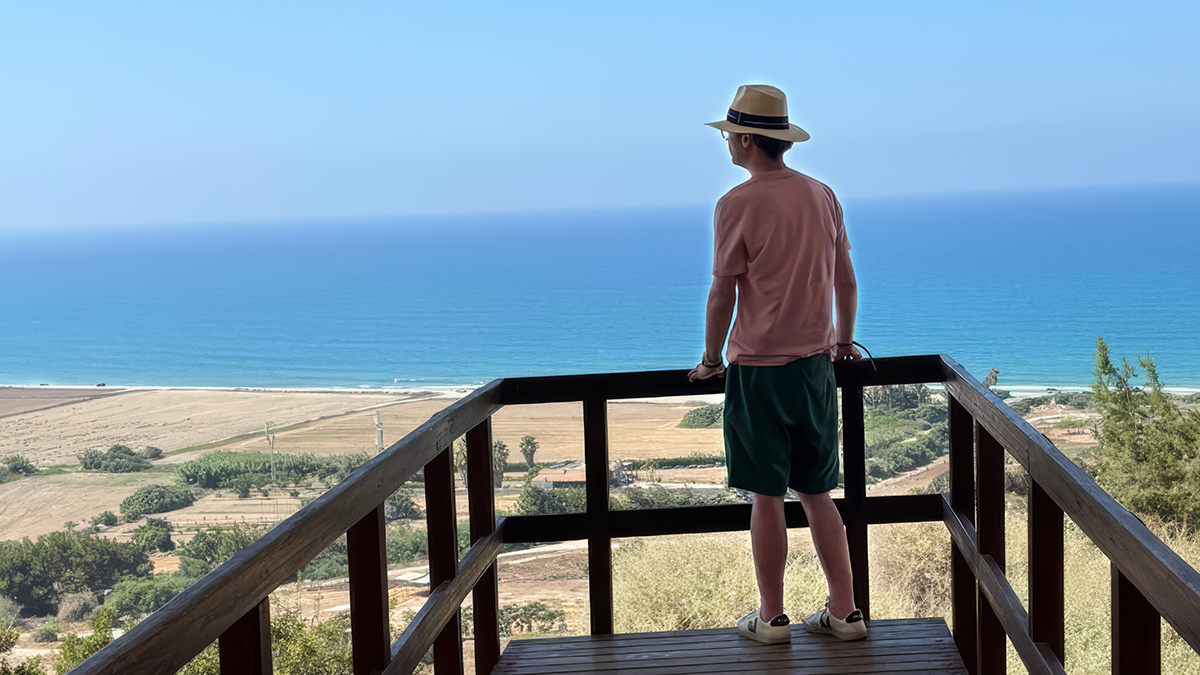
A lesson for Donald Trump from the Hills of Cyprus
A personal travel reflection turns political, naming leaders who treat faith as a boundary rather than a bridge between people.
-
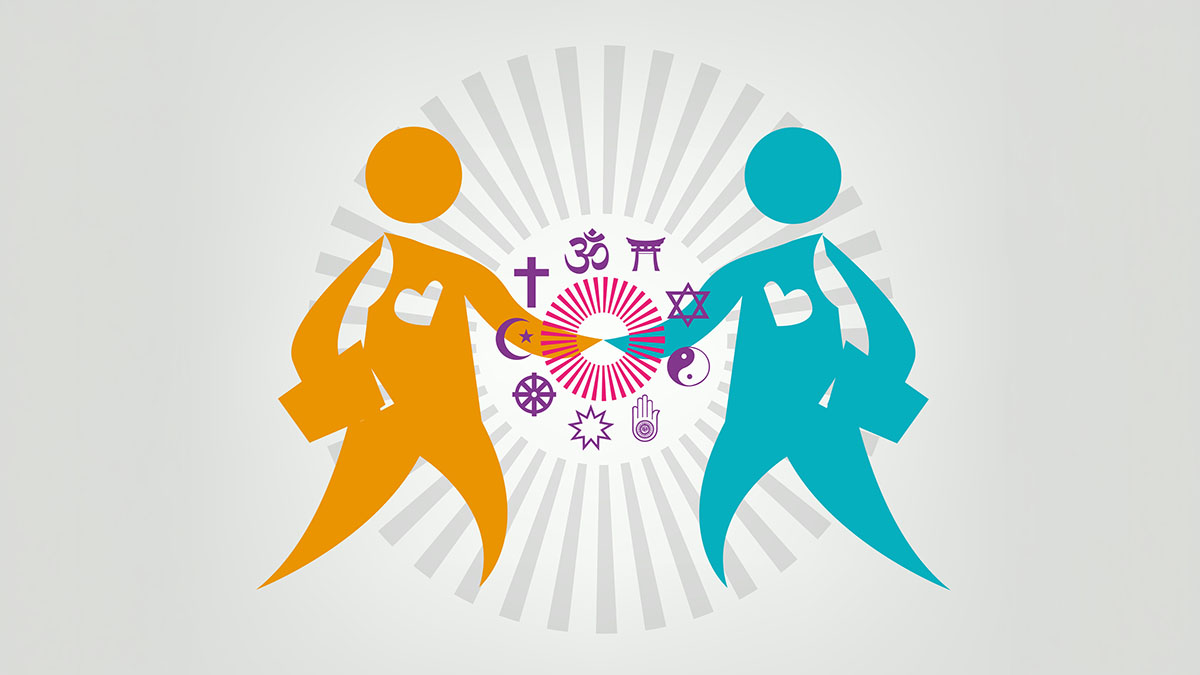
Does the Spirit speak in every heart?
Exploring how Christians can hold firm beliefs while genuinely respecting neighbors of other faiths in daily life.
-
Craving certainty in an uncertain world
Pope Francis’s insistence that the Church belongs to everyone challenges legalistic approaches that quietly draw lines and exceptions.

-
Theological literacy – more than a digital download
Christian theology means trained reflection on faith and practice, not memorized facts, and that skill belongs to more than clergy alone.
-
Priest leaves ministry: there’s a bigger question
One columnist’s account of leaving priesthood and religious life prompts a wider look at how institutions treat those who step away.

-
Mullally’s leadership teaches the Church
A reparative justice pilgrimage becomes a lens for rethinking how Catholic communities welcome neurodiverse believers into full church life.

-
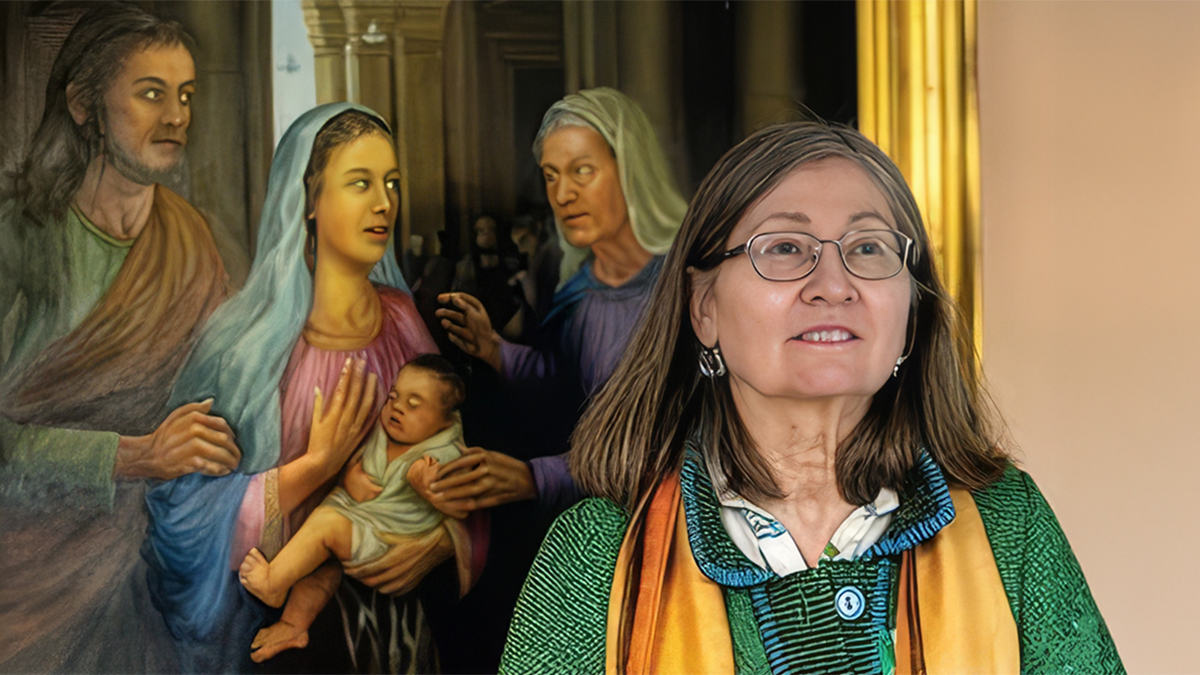
The bishop said “you should be ashamed of yourself”
One woman’s decades-long calling to priesthood was met with shame, silence and repeated institutional denial.
Get Flashes of Insight
Flash Focal Points
AI Baptism Church History Church Reform Clericalism Communications & Media Compassion Culture Culture & Faith Deacons Digital Age Discipleship Eucharist Faith Faith Dialogue Gender Equality Hope Human Dignity Inclusion Justice Lay Leadership Leadership LGBTQ+ Liturgy Ministry Mission Peace Politics Pope Francis Pope Leo XIII Poverty Prayer Priesthood Social Justice Synodality Theology Tradition Vatican Vatican II War Women Women's Ordination Women Deacons Women in Ministry Youth
Donate
All services bringing Flashes of Insight are donated.
Significant costs, such as those associated with site hosting, site design, and email delivery, mount up.
Flashes of Insight will shortly look for donations.