
Clericalism
-
Open church doors through respectful dialogue
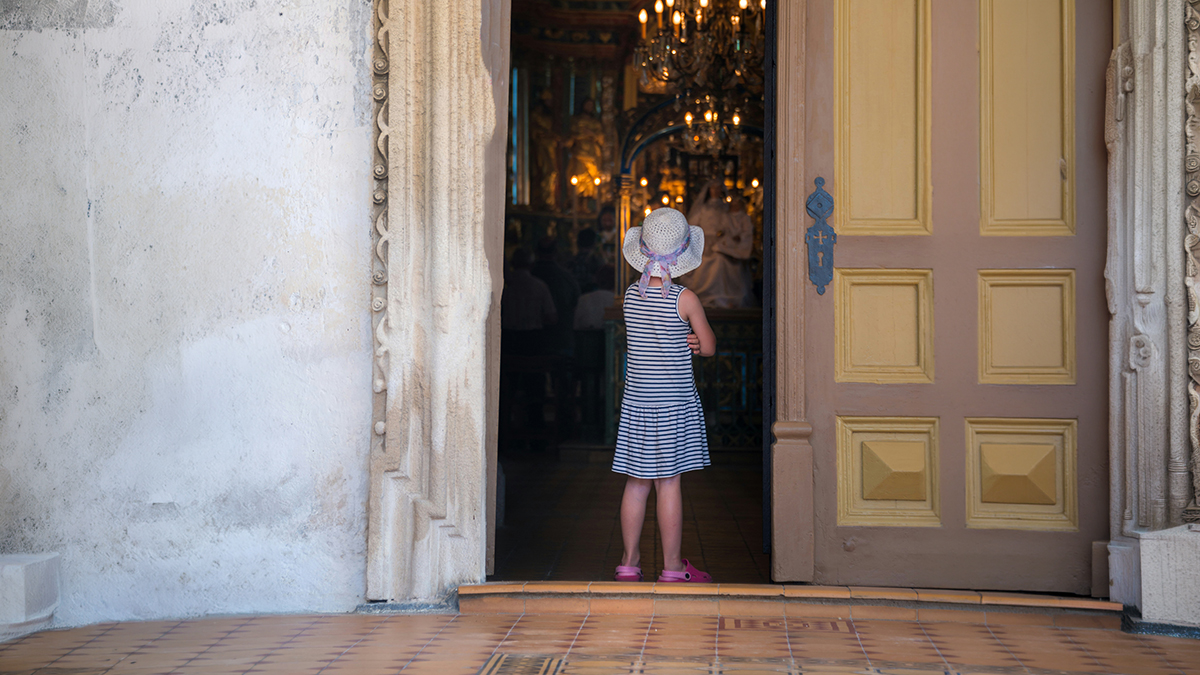
Mission is not a one-way broadcast but an invitation to mutual learning. Parishes and ministries are called to open their doors, engage in respectful dialogue with their neighbours and discover how Christ’s message of mercy can be heard, experienced and lived together.
-
Synodality won’t trickle down
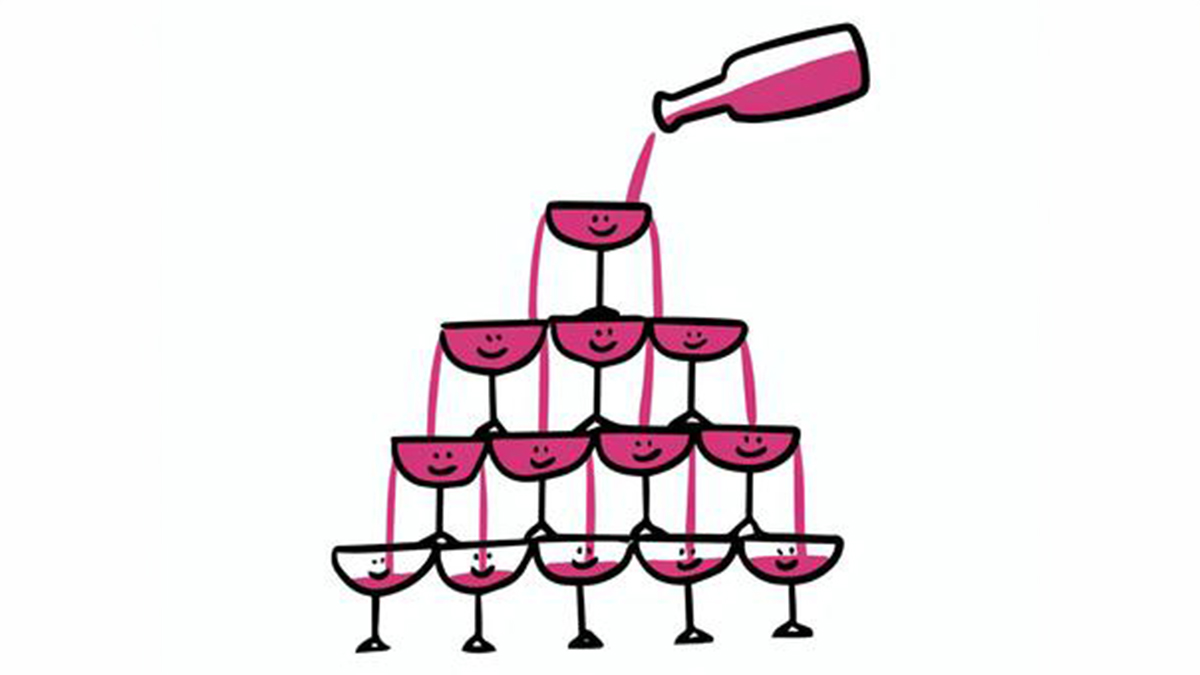
Expecting clerics; hierarchical leaders alone to drive Synodality may be unrealistic. Parish communities in Australia already demonstrated their readiness for a synodal church during Plenary Council preparations. The path forward may require complementary action from the bottom up.
-
Synodal journey shifts from excitement to episcopal control
When Irish bishops launched the Synodal Pathway in 2021, they had no idea Pope Francis was about to announce a global process weeks later. The coincidence forced a rapid restructuring of Ireland’s entire approach, folding its national ambitions into Rome’s wider timeline.

-
Peter’s failures were preserved for a reason
The word “constitutive” was applied freely across Church documents to evangelisation, charity, canon law, and even the male-only diaconate. The one thing it was never again permitted to describe was the Church’s relationship to justice.
-
When clericalism becomes narcissism, the altar turns into a stage
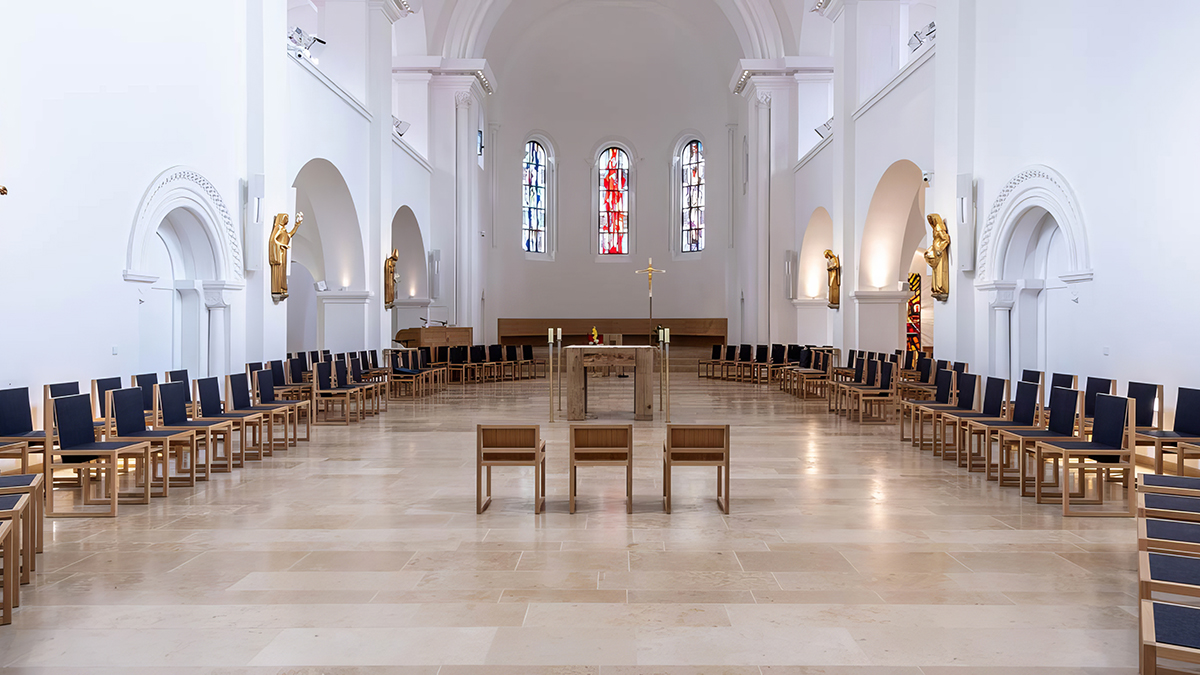
Clerical narcissism perpetuates itself when a newly ordained priest is assigned to a pastor who demands unquestioning obedience, creating successive generations of leaders hostile to collaboration.
-
Five small parishes model the future of the Church
Perhaps the wider Church does not need to invent new models of synodality. In some places, the model is already there — faithfully lived, week after week, in ordinary parish life. Mizoram is one of those places.

-
Surprise! Vatican shelved another report on women deacons, again.
Regressive induction begins with the answer Church leadership wants and works backwards to find arguments that support it, while persistently ignoring inconvenient historical and theological evidence.
-
Stop chasing status
Ever notice how competition creeps into everything? We copy people we admire—and then fight for the same spotlight. Philippians calls that out, and offers something better: trading rivalry for relationships built on care, not comparison.
-
Clericalism hijacks the Church
Ordination was once a commissioning for service within a community. Now, it’s treated as an ‘ontological change’ — a mystical elevation. Exploring shift from “Vicar of Peter” to “Vicar of Christ”.

-
Lay reform owes more to religious than it admits
While lay reformers spoke of inclusivity, it was religious life that had already lived shared leadership. Many lay Catholics found their truest allies among sisters, brothers and priests outside the clerical caste.
Get Flashes of Insight
Flash Focal Points
AI Baptism Church History Church Reform Clericalism Communications & Media Compassion Culture Culture & Faith Deacons Digital Age Eucharist Faith Faith Dialogue Gender Equality Hope Human Dignity Inclusion Justice Lay Leadership Leadership LGBTQ+ Liturgy Ministry Mission Peace Politics Pope Francis Pope Leo XIV Poverty Prayer Priesthood Reconciliation Social Justice Synodality Theology Tradition Vatican Vatican II War Women Women's Ordination Women Deacons Women in Ministry Youth
Donate
All services bringing Flashes of Insight are donated.
Significant costs, such as those associated with site hosting, site design, and email delivery, mount up.
Flashes of Insight will shortly look for donations.