
Analysis and Comment
-
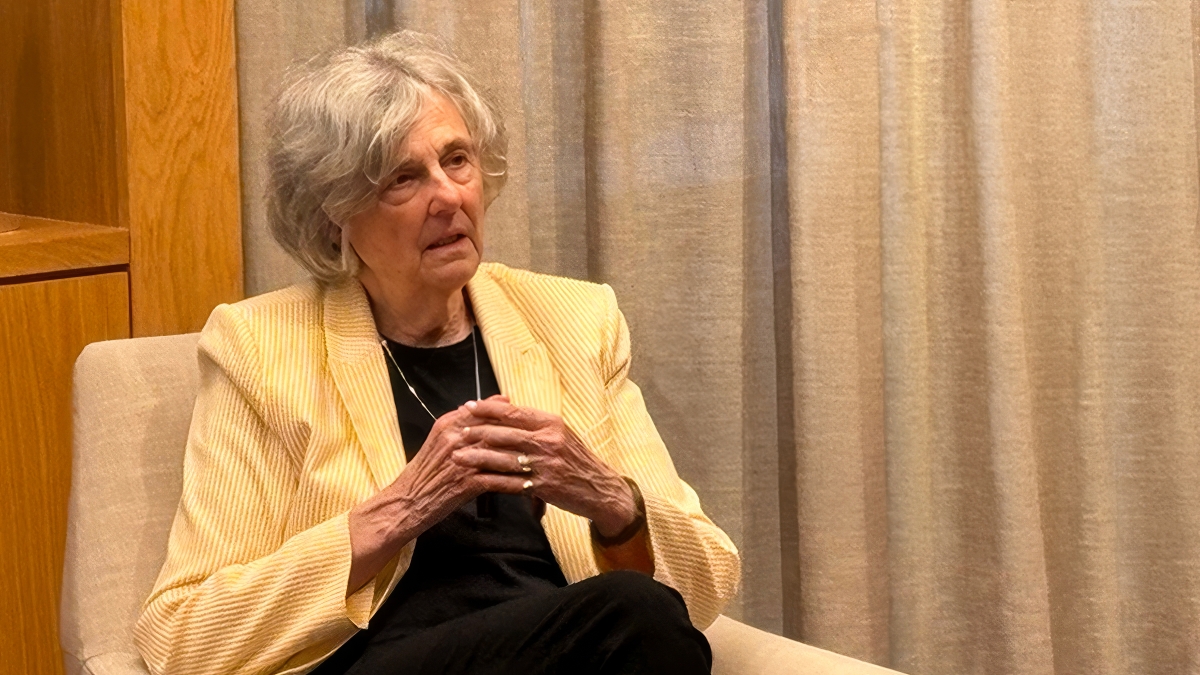
Church knows women were deacons — will they admit it?
The real question is no longer whether women served as ordained deacons, but whether the church will reconsider what it has already found.
-
The fight for attention — a fight for democracy
Power no longer lies in territory or capital. It lies in something more finite: human attention — and the war for it has begun.

-
Food becomes an anchor for belonging in migrant life
For migrants navigating a new country, food offers stability. Shared meals, adapted recipes and intergenerational cooking provide an anchor for settlement and belonging. Researchers argue that understanding these evolving food practices reveals how newcomers creatively make a new home while staying rooted in their heritage.
-
Service, not imposition: the church’s place in public life
Leo insists the church respects political autonomy, affirming separation of church and state andrejects Christian nationalism outright.

-
God never waited for the perfect classroom
God did not solve human distance from the divine by sending better information. The prophets had tried that. God showed up instead — bodily, locally, among people who could touch him. Teaching theology well has always meant presence more than coverage.

-
Calumny in the age of outrage
Social media has accelerated the spread of false accusations to a frightening degree. What once traveled slowly — a rumor at work, a whisper at dinner — can now destroy a reputation in seconds, long before the facts are known or any correction has a chance to catch up.

-
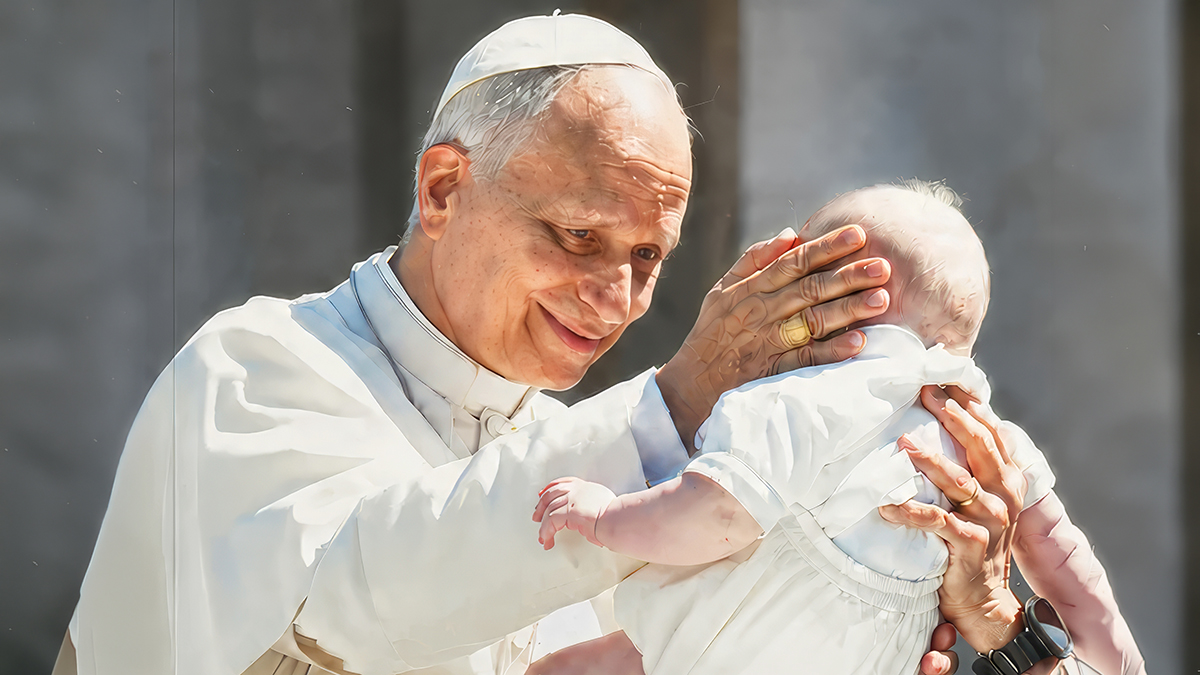
Pope Leo started a conversation that Silicon Valley cannot ignore
Journalism and Innovation Professor Jeff Jarvis is clear: Pope Leo does not declare war on AI or technology. Those expecting papal condemnation will be disappointed. This encyclical is something rarer — a thoughtful framework for the long conversation ahead, intended not for this moment but for generations.
-
Women’s ordained ministry serves baptised unity — do it now
The first witness to the risen Christ was a woman. Bishop Ludger Schepers argues a Church that honours Mary Magdalene liturgically while barring women from the altar is acting in direct contradiction to its own founding narrative and the witness of Apostle Junia.

-
Inside the Vatican-Anthropic alliance on AI ethics
Anthropic’s outreach to Catholic voices began with an email introducing an atheist tech founder to a moral theologian. What followed were months of deepening conversations about how centuries of religious wisdom might help shape the behavior of an artificial intelligence model.

-
Nuns: freedom, control and social media
Catholic nuns are using social media to share prayer, community and daily life with global audiences. Their growing digital presence invites a deeper look at how women in religious life have navigated autonomy and authority since arriving in 19th-century Australia.

Get Flashes of Insight
Flash Focal Points
AI Baptism Church History Church Reform Clericalism Communications & Media Compassion Culture Culture & Faith Deacons Digital Age Discipleship Eucharist Faith Faith Dialogue Gender Equality Hope Human Dignity Inclusion Justice Lay Leadership Leadership LGBTQ+ Liturgy Ministry Mission Peace Politics Pope Francis Pope Leo XIII Poverty Prayer Priesthood Social Justice Synodality Theology Tradition Vatican Vatican II War Women Women's Ordination Women Deacons Women in Ministry Youth
Donate
All services bringing Flashes of Insight are donated.
Significant costs, such as those associated with site hosting, site design, and email delivery, mount up.
Flashes of Insight will shortly look for donations.