
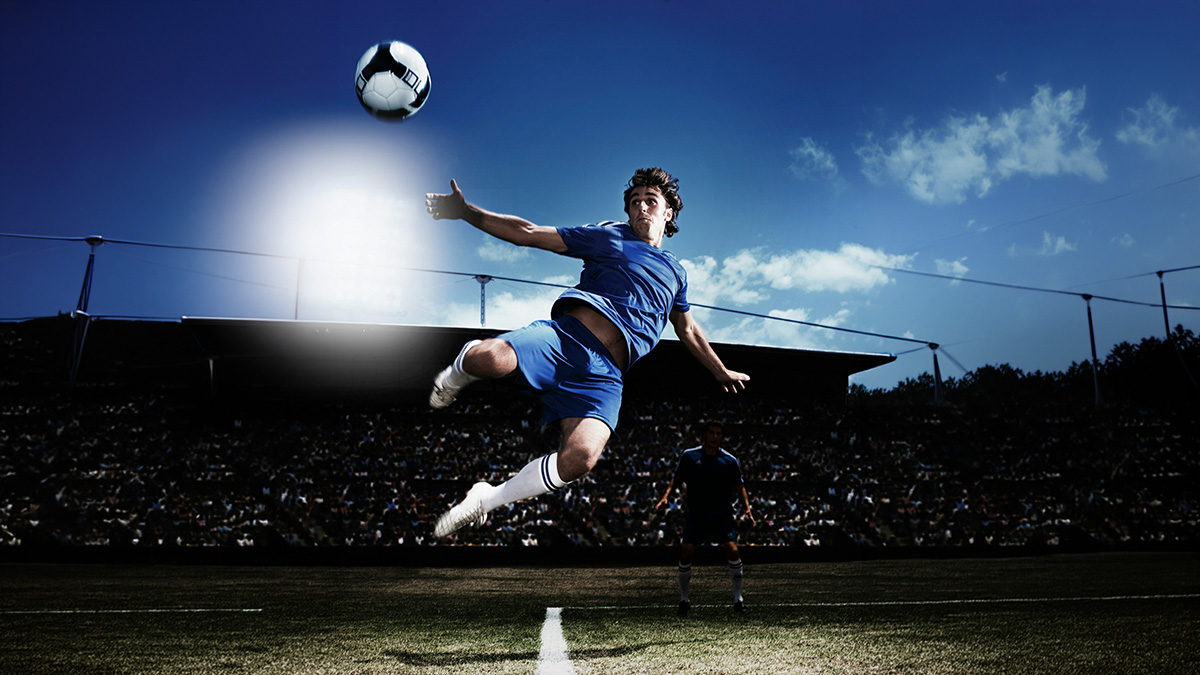
I couldn’t tell you the teams anymore or even the year. But I remember the shift.
A side had been chased around the pitch for the better part of an hour, and then, without a whistle or a sub or anything you could point to, the whole thing changed shape.
A midfielder dropped a few yards deeper. A winger, unasked, started tracking back. The team tightened like a fist closing.
You could feel it in the stands before anyone found the words for it.
That is not tactics. That is trust, showing itself.
I keep thinking about it as I watch the Church try to live its Synodal Path.
This football World Cup is the biggest tournament has ever been — forty-eight nations, three host countries, and a logistics operation spread across the United States, Canada, and Mexico.
These aren’t three neighbours without history. Old disputes sit under the surface. Borders carry real weight.
Languages don’t translate as cleanly as a broadcast graphic makes it look. None of that disappeared to make room for the tournament.
It is still there, all of it. What changed is that everyone decided the goal was worth the friction, instead of pretending the friction away.
Not the final score. That is the part worth sitting with.
Why rushing ruins it
Pope Francis never described synodality as a listening tour with better branding. He called it the way the People of God are meant to move together — gathering, listening, discerning, and only then acting from something genuinely shared.
The sequence he laid out is deliberate: listen, convene, discern, decide, evaluate. Then start again. Slow, on purpose.
Rush it, and whatever you are building falls apart in your hands.
Football knows this the hard way.
The teams that panic, that chase the winning goal before the moment is ready, are the ones caught on the counter. Every time.
Patience isn’t standing still here. It only looks like waiting if you are not the one doing it.
More than kindness
It is tempting to read the expanded field as generosity — more seats at the table for countries that would normally miss out.
I don’t think that is quite right.
Forty-eight nations bring styles and instincts the old format had no room for. Not extra guests. Perspectives the tournament didn’t know it was missing.
Something close to that happens when people at the edges of the church get pulled into its discernment — not as a courtesy, but because the church actually needs what they see that no one else does.
A room that listens this way learns things about itself that a closed room never could have. Call it a different kind of intelligence.
Managed instead of met
Football has an uglier side, and it doesn’t dress it up. At its worst, the sport turns people into assets, then liabilities, then numbers on a screen.
Whatever joy brought a player to the game in the first place gets edited out somewhere along the way. What is left is performance, with the meaning gone from it.
The Church has its own version. A synod can quietly become a machine for producing paperwork — a full calendar mistaken for real discernment.
The test was never about how smoothly the process runs. It is smaller than that and harder.
Do the most vulnerable people in the room feel protected or like they’re being handled? Can someone say something true without paying for it later?
Does the person who walked in carrying something painful leave believing it actually landed somewhere? Higher bar than it sounds.
Same rules, different games
There is a phrase in the synodal documents worth sitting with — unity without uniformity. Football has been practising exactly that for a century without ever naming it.
Every team keeps its own temperament, its own way of reading a match, and still plays by the same rules toward the same goal. Nobody expects Argentina to play like Germany.
Those differences aren’t a problem to clear away before the real football starts. They are the real football players.
The Church is asked to hold something similar — communities whose lived experience of faith can differ sharply, sometimes painfully, from one another. Not an obstacle to the work. The ground on which the work happens.
The moments people actually remember from football are rarely the tidy wins. They are the comebacks. The odd partnership that had no business working.
The substitute who empties himself in a match nobody will remember and somehow tilts the whole tournament.
My guess is the Synodal Path ends up looking like that too, years from now — not one dramatic breakthrough, but a long pile-up of small, unglamorous moments nobody wrote down at the time.
Someone stayed at the table when leaving would have been easier. A voice that was expected to be waved off got heard instead.
You rarely catch it while it is happening.
Usually, you just look up one day and notice the team is playing like one team now, and you couldn’t say exactly when that started.
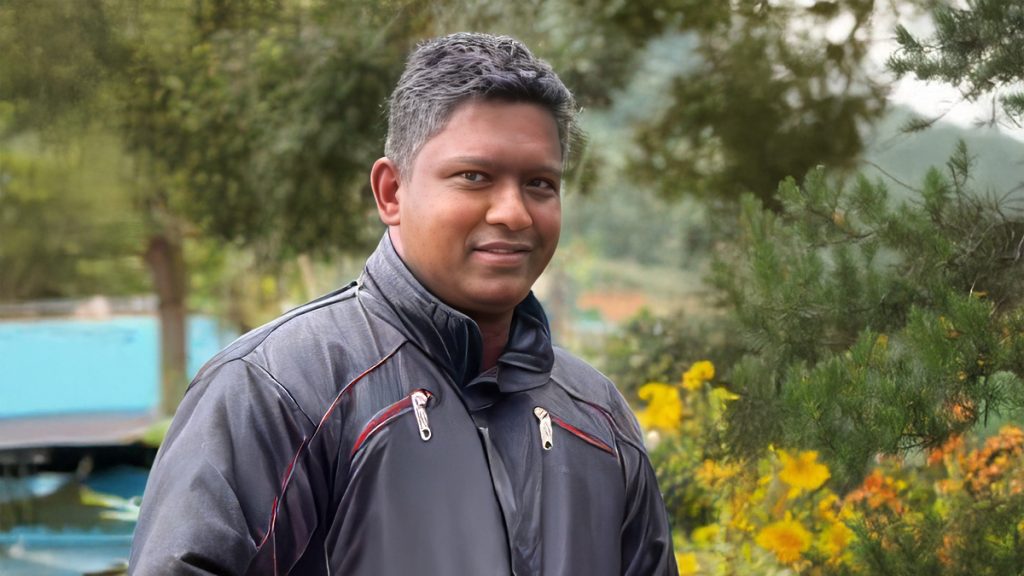
- John Singarayar SVD holds a doctorate in Anthropology. He is an author of several books and regularly contributes to academic conferences and publications focusing on sociology, anthropology, tribal studies, spirituality, and mission.