
We humans suffer from many delusions – and the most dangerous as the ones that it is hard to see or feel.
We like to think that we can think fast: so intelligent people are credited with being quick witted.
They have ready answers, plenty of words without much time spent figuring it all out, and they make it look easy.
Stupid people, by contrast, are thought of as slow, ponderous, and having to figure everything out step by step.
Speedy thinking good, slow thinking bad.
The myth of quick wit
But this is a most dangerous fallacy.
It is because it is untrue that those who try to scam us on line, or con us in a salesroom, or try to hoodwink us in any negotiation try to put us under time pressure.
Telling people to hurry is virtually the same as telling them not to think carefully.
Human rationality is a step-by-step affair.
It is slow and it is hard.
Simple lies
There is a direct consequence of human rationality being slow, finding evidence being difficult, and coming to conclusions being hard work.
It is easier to believe a simple lie than a complex truth.
Every demagogue, every dictator, and every populist politician knows – almost by instinct – that he has little quirk of human nature on his side.
We like things to be simple. We like black and white.
We like to think we have the answer to any problem is a neat, easy to open box.
But reality is not neat, rarely black / while, and never easy to understand.
Rationality and discipleship
Part of maturity is knowing that we are prone to this tendency to fall for simple lies.
Part of responsibility is avoiding playing on ‘appeals to simplicity’ to dominate others.
Part of morality is calling out ‘simple solutions’ to human problems for what they are: lies.
Part of discipleship is having the patience and dedication to build-up the human situation step-by-step, day-by-day while rejecting the populists with simple answers to very complex situations as false prophets.
Good human logic and careful human action tend to be companions.
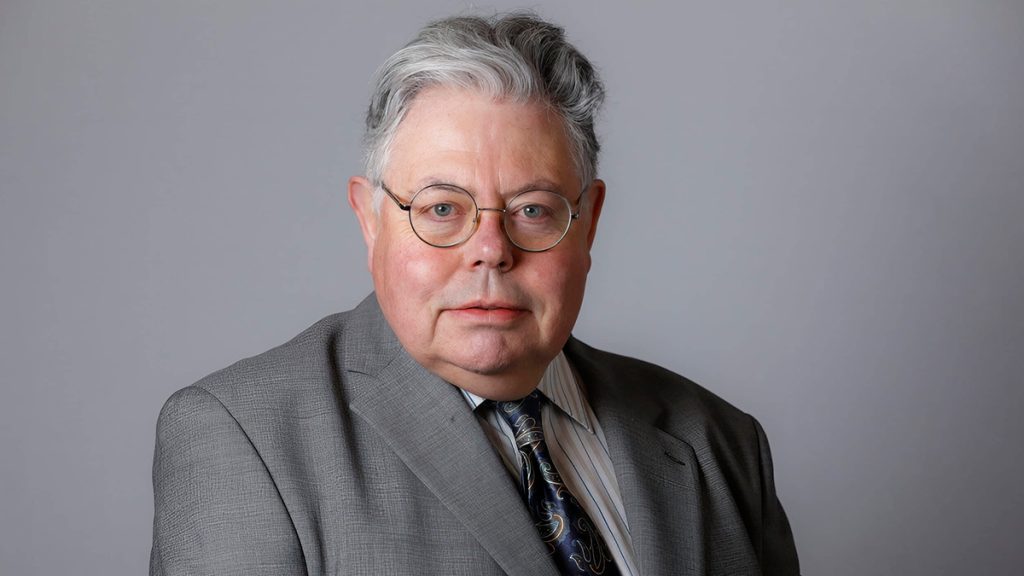
- Thomas O’Loughlin is a presbyter of the Catholic Diocese of Arundel and Brighton and professor emeritus of historical theology at the University of Nottingham (UK).