

Within the Catholic Church, it can be stated categorically that women cannot / will never be ordained as priests.
This long-term view has recently been questioned by Bishop Ludger Schepers, who maintains that all ministries in the Church should be open to women.
Bishop Schepers did not even rule out a female pope.
A door shut forever?
In 2016 when Pope Francis was asked and pressed on this issue by a Swedish journalist during a press conference aboard the papal plane back to Rome he suggested the ban on women priests would be forever.
“Saint John Paul II had the last clear word on this and it stands” he stated.
“But forever, forever? Never, never?” the journalist persisted.
Francis replied “If we read carefully the 1994 declaration by St. John Paul it is going in that direction.” However,
- Change can occur.
- Change has occurred in Church teaching.
- There is no reason for it not to continue.
Vatican II on development
Change in Church doctrine is underpinned by Vatican 2’s Dogmatic Constitution on Divine Revelation:
“For there is a growth in the understanding of the realities and the words handed down.
This happens through the contemplation and study made by believers who treasure these things in their hearts.
For as the centuries succeed one another, the Church constantly moves forward towards the fullness of Divine truth.” (Chapter 2)
The slavery precedent
An example of such a development in Church teaching is presented by Pope Leo in his recent encyclical “Magnificent Humanity.”
In it he states very clearly that the Church’s condemnation of slavery was a genuine development in doctrine and not a reiteration or clarification of existing teaching.
He states that this is “a clear example of the Church’s growth in understanding the perennial truths of Revelation that she safeguards” (M.H.176).
By framing the Church’s absolute condemnation of slavery as a development in doctrine, Leo is following in the steps of Cardinal Newman’s belief that deeper reflection on divine revelation and a growing deepening awareness of human dignity over time can lead the Church to a more adequate expression of the truth of the Gospel.
An examination of conscience
In his conclusion to the encyclical Pope Leo states:
“I would like to touch on a point that is particularly close to my heart.
“Social Doctrine is not merely a message addressed to society; it is also an examination of conscience for the Church”.
In such an examination, the voices of so many women demanding change in how the Church treats them must be listened to and acted upon.
The first-ever authoritative encyclical to be written in English, “Magnificent Humanity“, sets a precedent.
There is no reason to accept the finality of the verdict of John Paul II – as quoted above by the late Pope Francis – that the door is shut forever on women’s ordination in the Catholic Church.
Hopefully, we will not have to wait for another 1,800 years for it to happen as it took before slavery was eventually definitively condemned.
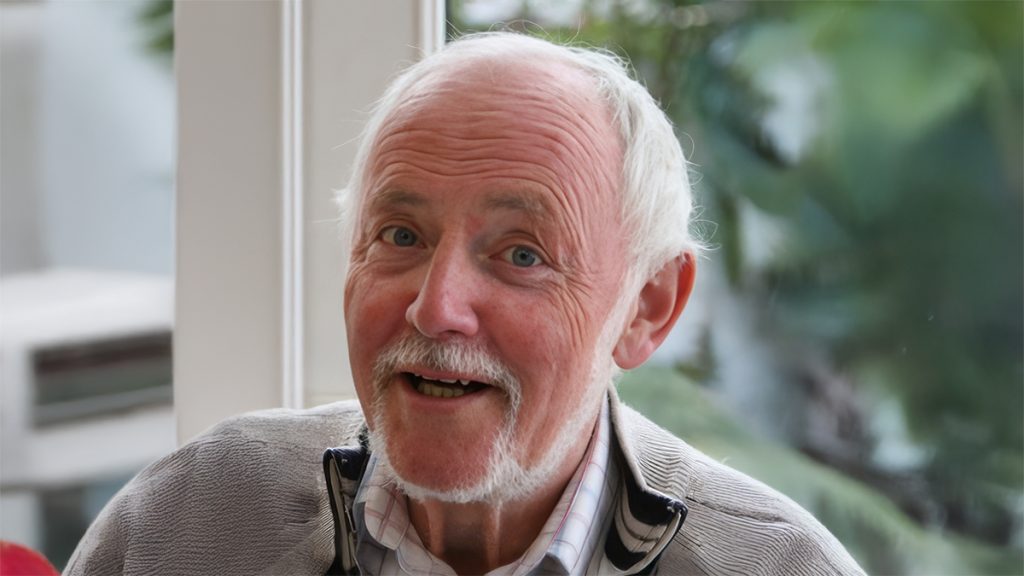
- Brendan Butler is a former secondary school teacher who specialised in teaching Religious Education. His postgraduate degree was in theology from the Antonianum University in Rome. In 1979, he co-founded “The Irish El Salvador Support Committee” and later “The Ireland Algeria Solidarity Group”. He was the co-ordinator of “The N.G.O. Peace Alliance” which was active in the Irish peace movement. He helped to revive the Catholic Church reform movement “We are Church Ireland”, of which he was joint co-ordinator and spokesperson for several years.
- He published My Story by Jesus of Nazareth, and actively contributes articles and letters on Church and human rights issues to Irish newspapers.