
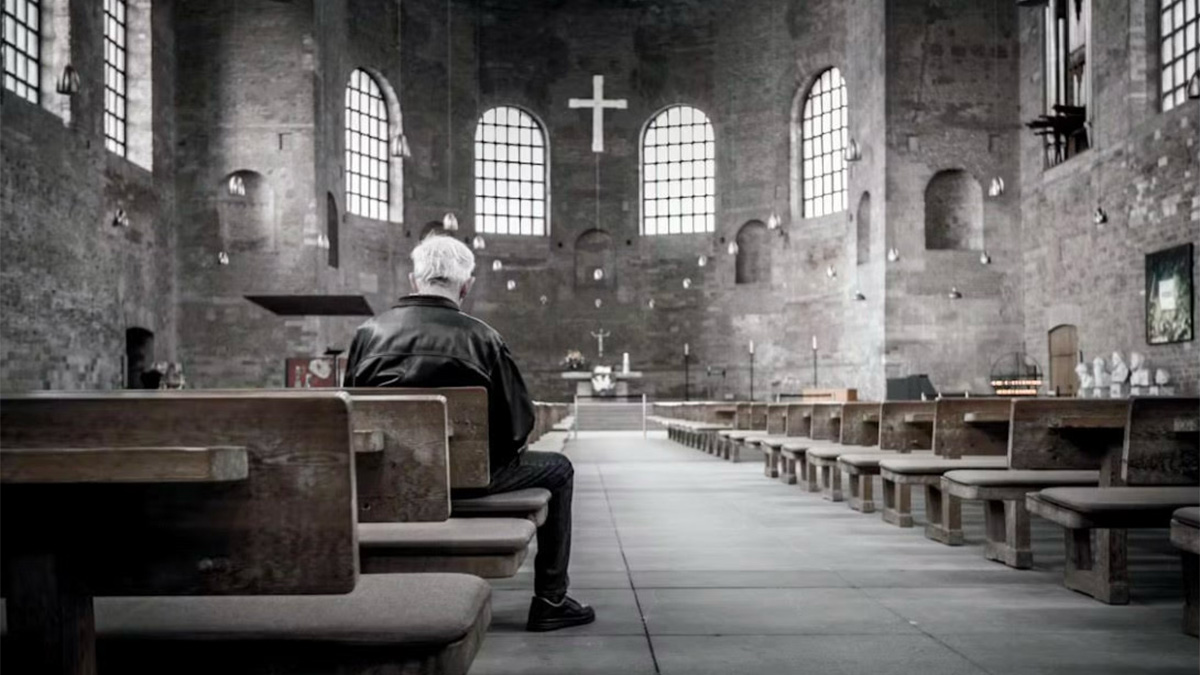
As Christians, we believe that the Eucharist is meant to unite us in Christ’s love, but what happens when the sacrament itself becomes a place of unbearable suffering?
And what does this tell us about the Church’s responsibility towards those it has wounded? I ask these questions from personal experience.
When sacred words become painful
As a former Cistercian monk and priest who was sexually abused as a seminarian by another priest, I experienced something that once I had never imagined to be even possible.
Namely, the Eucharist, which was central to everything I did, gradually became a source of profound spiritual anguish.
Every Sunday, whilst standing at the altar and speaking the words of Christ, “This is my Body, given up for you,” I would remember that my abuser was standing at another altar, speaking the exact same words.
The man who had violated my body was celebrating the sacrament of Christ’s Body and I found that almost impossible to bear.
I believed then, as I still do, that the Eucharist belonged to Christ, not to the priest who celebrates it, but knowing something theologically does not necessarily make it easy to live with emotionally.
My mind understood what my wounded heart could not accept.
The meaning of communion
The Second Vatican Council described the Eucharist as the source and summit of the Christian life and I had spent nineteen years in monastic life trying to live that truth.
But the Eucharist is also a sacrament of communion in which we are joined not only to Christ but to one another, and for a survivor of abuse, that understanding can raise an incredibly difficult question.
‘How can I find joy in belonging to the same Body as the person who harmed me?’
Have we ever really considered what our language of communion means to those who have experienced betrayal within the Church?
We are so quick to speak about the healing power of the sacraments, but maybe we have been less than willing to really listen when someone tells us that approaching the sacraments has become unbearable.
The presence beyond the altar
I no longer celebrate Mass or receive the Eucharist and that continues to be an enormous loss to me.
Nevertheless, I have learnt that Christ’s presence does not cease when someone can no longer approach the altar.
The wounded Christ is not confined within the walls of a church, and neither does He withdraw from those who find themselves standing outside of it.
Personally, I still encounter Christ’s presence in silence, in prayer, in the natural world and in the ordinary kindness of others.
The Church needs to understand that inviting someone back to the altar also means being willing to hear why they can no longer approach it.
For what does it mean to celebrate the breaking of Christ’s Body if we cannot bear to acknowledge the broken bodies and lives of those among us?
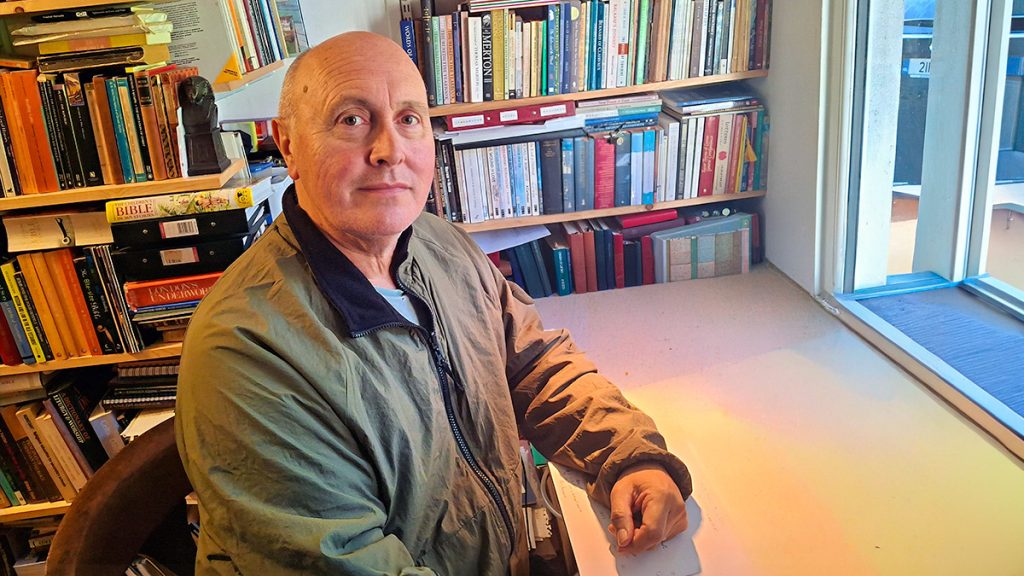
- Paul Murphy-Sanderson is a writer, poet, and former Cistercian monk who spent nineteen years in monastic life and is a survivor of clergy abuse. He co-authored The Sins of Mandatory Celibacy with Debra Maria Flint. He also writes book reviews, and a local newspaper publishes his poetry regularly.
- Paul shares his reflections on Substack.