
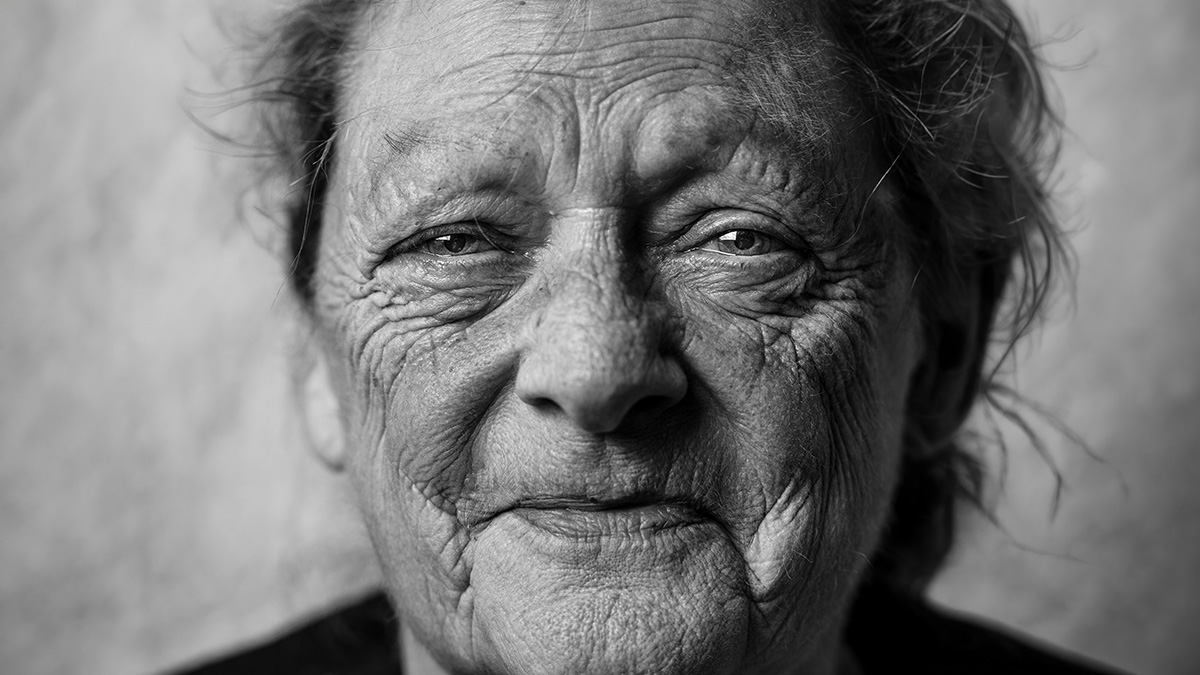
“Age is only a number”…
At a parish meeting, a woman in her late seventies suggests a new outreach programme. A younger member smiles politely and says, “That is a lovely idea for the seniors.”
The conversation moves on. No one is openly rude.
Yet something has been decided without being said: her age has become her category, and her category has become her limit.
Lived time, not label
We often repeat that age is socially constructed. The claim is partly true.
Societies decide what retirement means, which bodies are considered attractive, and who is still “productive”. But age is not only a social label.
It is also lived time: bodies change, memory shifts, strength alters, and relationships deepen or fade. We may reject ageism, but we cannot reject time itself.
The real question is not whether we will age, but whether our communities will allow ageing people to remain fully human, fully needed, and fully belonging.
Modern culture often treats age as a problem to be managed. Cosmetics promise to erase years.
Workplaces quietly move older employees aside. Social media rewards youth, speed, productivity, and endless self-renewal.
Older people are praised for being “young at heart,” as though ageing itself were a failure of willpower. This is not respect; it is exclusion in polite language.
Scripture and dignity
The Bible refuses to reduce a person to usefulness or appearance. “Teach us to number our days, that we may gain a heart of wisdom” (Psalm 90:12).
To number one’s days is not to despair over decline. It is to see life as finite, relational, and held by God.
Age becomes meaningful when it deepens gratitude, humility, and compassion.
Scripture also gives age public dignity. “Grey hair is a crown of glory; it is gained in a righteous life” (Proverbs 16:31).
This is not nostalgia. It is a challenge to families, parishes, and nations: do we honour those whose years carry work, suffering, fidelity, and prayer—or do we merely manage them until they become inconvenient?
Christian faith does not romanticise ageing. Bodies weaken. Memory changes. Independence diminishes.
Paul is honest: “Though our outer nature is wasting away, our inner nature is being renewed day by day” (2 Corinthians 4:16).
Society asks what a person can still do. The Gospel asks what love a person still carries, receives, and awakens in others.
A church of communion
For a post-Vatican II Church, ageing is not merely a private concern. Gaudium et Spes links the Church to the joys, hopes, griefs, and anxieties of all people, especially those who are afflicted.
Loneliness in old age, inadequate care, digital exclusion, and the quiet removal of elders from decision-making are among those anxieties. A church that preaches communion cannot reduce its elders to recipients of occasional visits.
Belonging, not ritual
Parishes need relationships, not rituals of token respect. Younger members can offer presence and practical support; older members can offer memory, patience, and discernment.
The elderly should not only be cared for. They should be consulted, celebrated, and given a voice.
Reject the construct that equates human worth with youth. But do not reject age. Receive it as a call to communion.
The question is uncomfortable but necessary: Do our communities make room for the old—not only to be served, but to belong?
- John Singarayar SVD holds a doctorate in Anthropology. He is an author of several books and regularly contributes to academic conferences and publications focusing on sociology, anthropology, tribal studies, spirituality, and mission.