
The recent knockback from the Vatican to the German bishops’ request to extend permission for lay preachers in the Eucharist came as no surprise.
It is a long time since “the Rhine flowed into the Tiber”. The tensions in the Vatican with the German synodal process have been ongoing.
This recent decision is in keeping with the dicastery for worship’s expanding clericalization of the liturgy since Vatican II.
Where lay voices fit
“Reflections” by lay people are allowed, such as at the beginning of Mass, but this is before the Word of God is proclaimed.
The place of the homily after the Scriptures remains the primary domain of the priest or deacon.
A way to share reflection
One way I have witnessed to dodge this priest-versus-people dilemma is to have people reflect on the second reading.
This reading is independent of the theme of the Gospel and the first reading. It is normally related to aspects of Christian living and therefore offers an ideal opportunity for people to reflect and to share that reflection upon the influence of the Word in their daily lives.
It is also an opportunity for members of the parish community to grow in confidence in speaking about their faith with their fellow parishioners.
It doesn’t need to be long – five or six minutes at most. It is more a “speaking from the heart” as against an exposition of the Scriptures which belongs more to the homily.
It has the added advantage of personalising the liturgy as against something that happens “up there in the sanctuary.”
The question of time
One of the challenges will be the extra time the Mass may create.
As one priest said to me recently, where he comes from, the first question people ask of a newly appointed priest is how quick he is. Obligation and duty are still hangovers from the past that prevail.
The role of the presider and ministers in the liturgy is to create an environment that draws people in so that time constraints are not a major issue.
People need opportunities to grow and to witness that faith enhances life experience, which offers an occasion for all to grow.
It also helps offset the competitive priest-versus-people element that undermines the experience of participation.
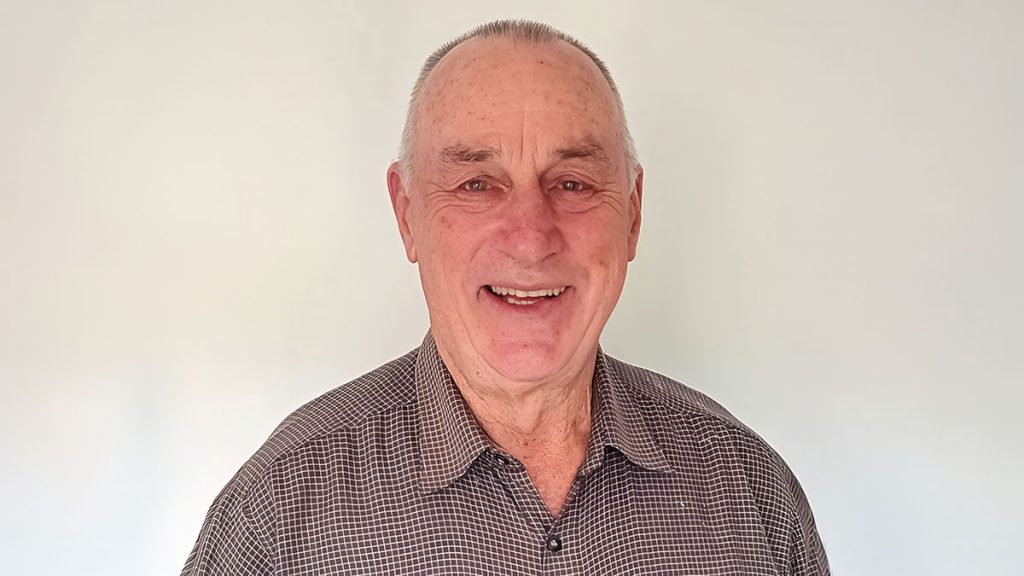
- Peter Murphy is a retired diocesan priest. He currently resides at the Abbaye de Bonnevaux, Marçay, France, home of the World Community for Christian Meditation.