
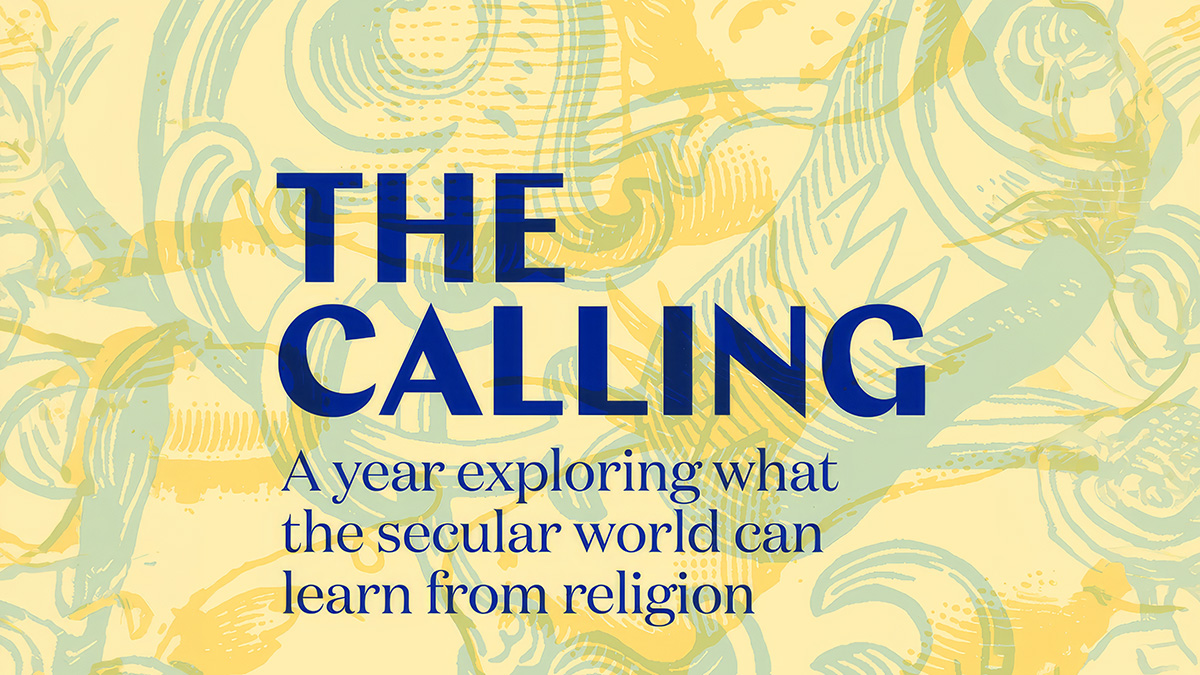
Christianity is a complex tradition but often perceived as rigid and irrelevant. Consequently, the riches from thousands of years of wrestling with what God could be are squandered.
Atheist Professor Niki Harré had an inkling that something important had been lost by abandoning religion, including priests who were “critical to the good society … in a way that none of the secular substitutes could quite manage”. [^1]
Despite not believing in what she imagined God to be, Niki wanted to understand what the world could learn from religion, maintaining that life could be bigger and more generous than focusing “exclusively on our own sorry lot”.[^2]
In 2021 she courageously spent the year living as a secular priest. She created bespoke vows to help her be open, attentive and available to others. Offered services, ceremonies and personal conversations, dressed in a simple uniform – then chronicled the journey in her rich, reflective and engaging book, The Calling.
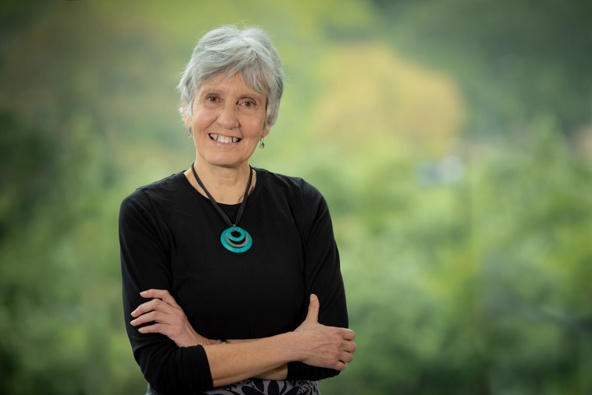
Strangely, Niki had felt for some time that she was a priest. A person who “helped people recognise the inherent mystery of life and live with courage and compassion”.[^3]
Perhaps like others who feel the call, she was experiencing the inexplicable stirring that, however one tries to ignore or run from it, keeps pestering until we stop and face into the invitation. But the call is never quite what we imagine.
Niki experienced discouragement when people turned away from her offerings. There was vulnerability when holding space for troubled souls. But also, the joy of creating rituals to mark moments of significance. And then there was the strange and inexplicable new feeling of happiness.
Like many of us, Niki was humbled by her experience. The realisation dawns that we are of little importance, instead seeming to be used by powers greater than ourselves, even if we have little appreciation of what that is and how it works. Over time and across cultures, people have called that God.
Who or what is this power – this presence known to Niki, the avowed atheist and to all who experience the call to more, even if our call is not supported by the authorities that claim to know its name and purpose.
Undaunted, Niki entered that fray with her observations on grace describing, “a sense of connection and alignment so deep that there is, in fact, nothing to connect with or align to”. [^4]
This recalled my explorations of God as No-thing – absent, invisible, everywhere and nowhere. Accepting we come from nothing and go to nothing. The terror of nothingness can drive rigid beliefs, whereas acceptance may have something to do with Niki’s inexplicable new feeling of happiness.
If we are open to grace, says Niki, “we accept that life is a gift, that we do not control how we feel, let alone what happens to us, and that we are part of something wondrous”. [^5] Amen to that!
The Calling is an enthralling read and a useful resource for priests and spiritual care workers of all persuasions.
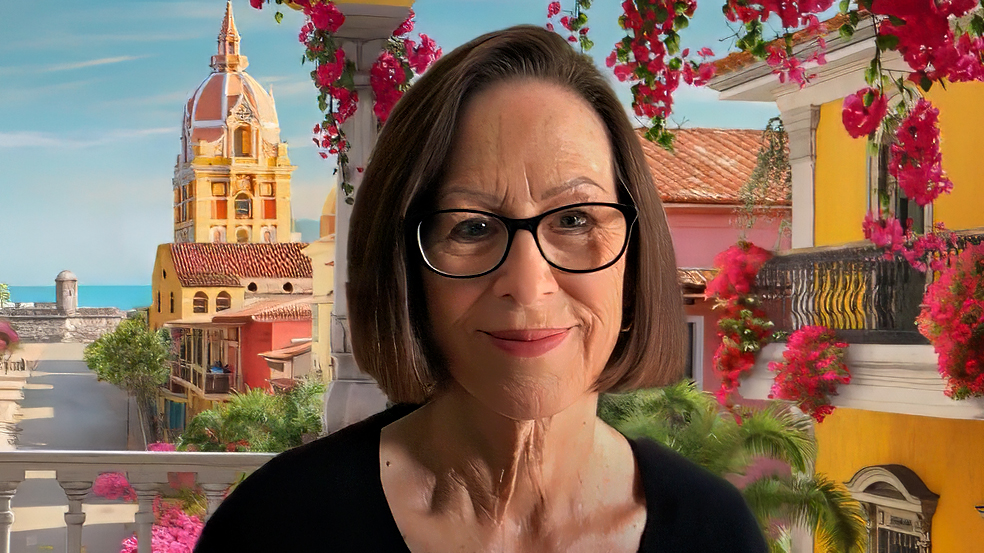
- Sande Ramage loves exploring, one word at a time, what she and others mean by God, spirituality, and religion. She’s a healthcare chaplain, restorative justice facilitator, pastoral supervisor, and wordsmith. Inspiration arrives through pondering dreams in Jungian analysis, walking, movies on the big screen, live orchestral music, sopranos, and devouring books.
- Sande Ramage was one of Niki’s mentors through her secular priest year.
[^1]: Niki Harre, The Calling: a year exploring what the secular world can learn from religion, Auckland University Press, 2026, p1.
[^2]: The Calling, p4.
[^3]: The Calling, p1.
[^4]: The Calling, p266.
[^5]: The Calling, p267.