
Synodality
-
Bastille Day values: Liberté, Égalité, Fraternité
The revolutionary triad may express convictions Christianity had long held about freedom, fairness and human kinship

-
The whole stadium feels it first
A room that listens this way learns things about itself that a closed room never could have learned.

-
Forming leaders in a missionary church
Synodality asks how the church should act together, but formation for the leaders who must live it out remains an afterthought.

-
Women’s Synod report longer with less to say
Drawing on Acts 10-15 and real testimony, one Synod group offered open questions and discernment rather than closing the door with a pronouncement.

-
Being heard
In a saturated media landscape reaching beyond shrinking parishes means embracing fresh tools that carries the Message further.

-
Tend the flame
Valuing tradition means keeping its living fire alight. A dynamic tradition fosters maturity and freedom.

-
The theology of chairs
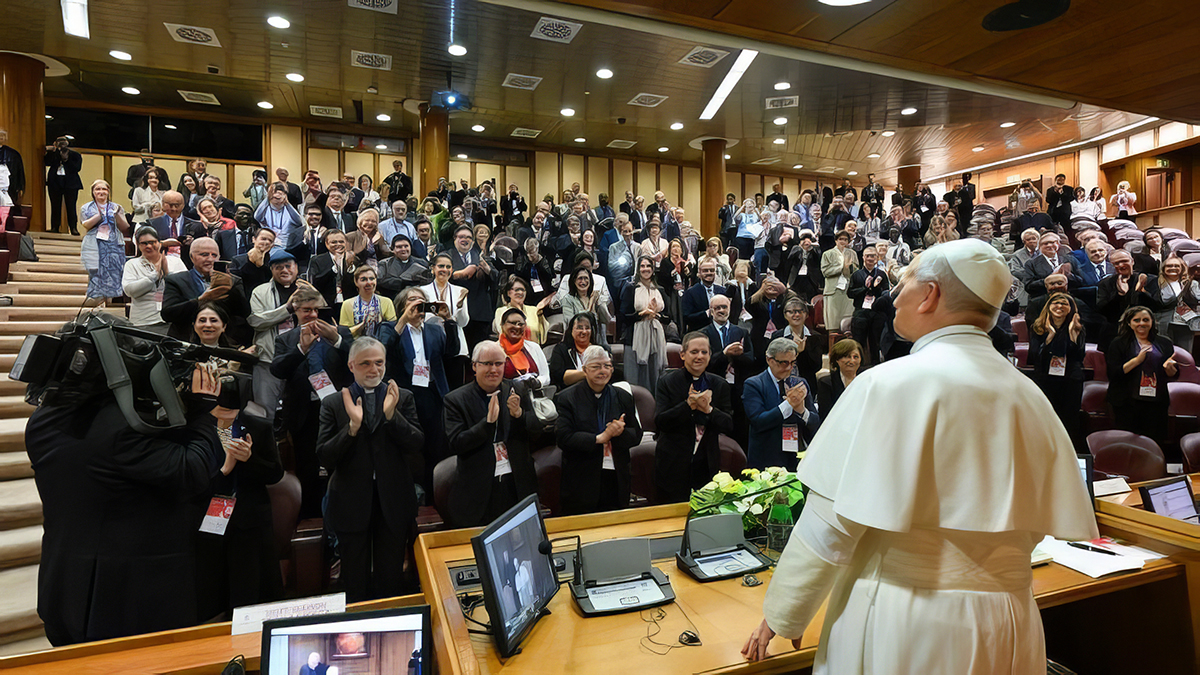
There is a particular irony in celebrating free elections and participatory governance from behind a lectern while your audience sits in silent rows. The Vatican’s meeting with lay leaders exposed a contradiction at the heart of the Church’s synodal project.
-
Open church doors through respectful dialogue
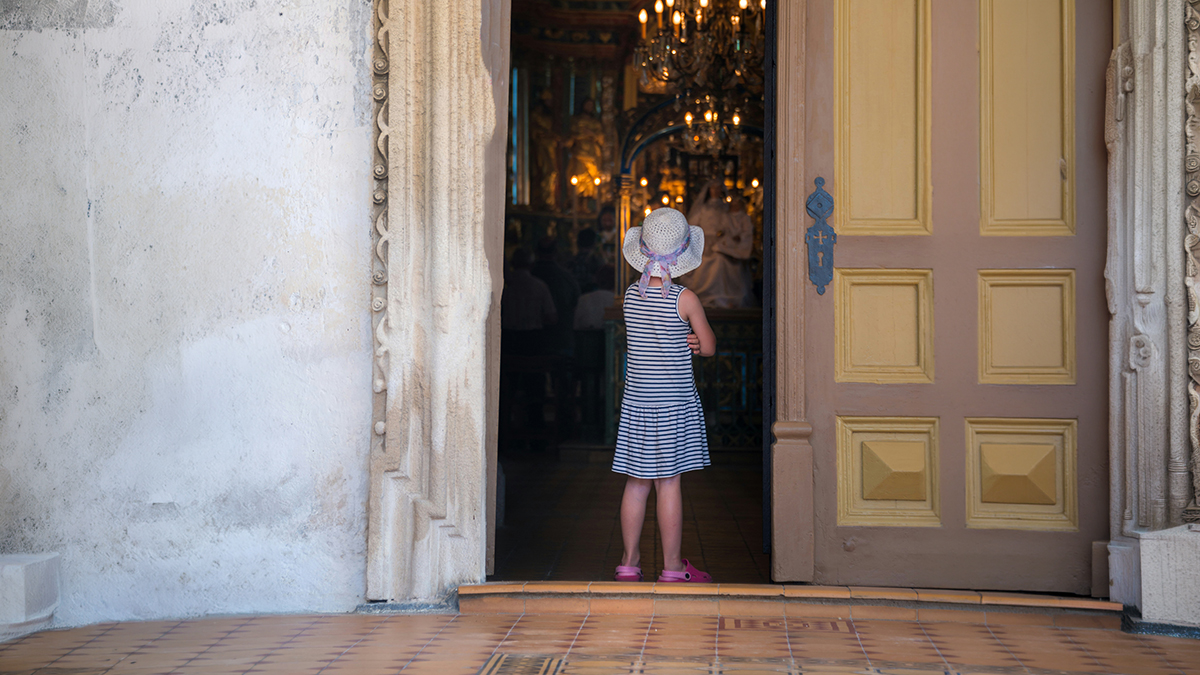
Mission is not a one-way broadcast but an invitation to mutual learning. Parishes and ministries are called to open their doors, engage in respectful dialogue with their neighbours and discover how Christ’s message of mercy can be heard, experienced and lived together.
-
Stars emerge at Würzburg’s Catholic Congress
Seventy-five thousand people gathered in Würzburg for Germany’s Catholic Congress, and from the opening thunderstorm Mass to the closing liturgy, moments of courage and candour cut through — a bishop calling for women in all ministries, a student challenging a cardinal, and a synodal partnership that modelled shared power.

-
False news and discord demand urgent response
Global frustration with misinformation and the collapse of respectful conversation demand more than secular remedies. The World Day of Communications challenges the Church to model the unity it preaches by first healing its own internal Babel.

Get Flashes of Insight
Flash Focal Points
AI Baptism Church History Church Reform Clericalism Communications & Media Compassion Culture Culture & Faith Deacons Digital Age Discipleship Eucharist Faith Faith Dialogue Gender Equality Hope Human Dignity Inclusion Justice Lay Leadership Leadership LGBTQ+ Liturgy Ministry Mission Peace Politics Pope Francis Pope Leo XIII Poverty Prayer Priesthood Social Justice Synodality Theology Tradition Vatican Vatican II War Women Women's Ordination Women Deacons Women in Ministry Youth
Donate
All services bringing Flashes of Insight are donated.
Significant costs, such as those associated with site hosting, site design, and email delivery, mount up.
Flashes of Insight will shortly look for donations.