
Church Reform
-
Ancient ordination rites for women deacons sit in Vatican
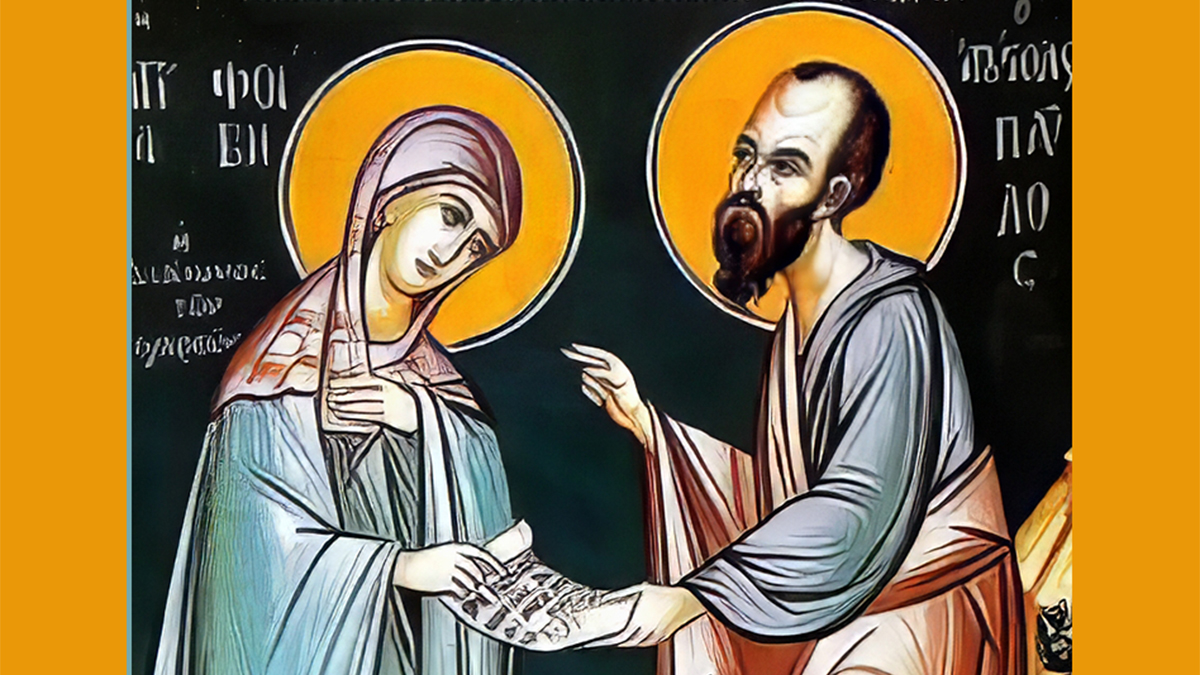
Medieval liturgical manuscripts housed in the Vatican’s own library describe women being ordained to the diaconate during Mass, with the laying on of hands, invocation of the Holy Spirit and the placement of the stole by the bishop. Zagano’s research brings these forgotten rites back into focus.
-
Synodality won’t trickle down
Expecting clerics; hierarchical leaders alone to drive Synodality may be unrealistic. Parish communities in Australia already demonstrated their readiness for a synodal church during Plenary Council preparations. The path forward may require complementary action from the bottom up.

-
Synodal journey shifts from excitement to episcopal control
When Irish bishops launched the Synodal Pathway in 2021, they had no idea Pope Francis was about to announce a global process weeks later. The coincidence forced a rapid restructuring of Ireland’s entire approach, folding its national ambitions into Rome’s wider timeline.

-
Peter’s failures were preserved for a reason
The word “constitutive” was applied freely across Church documents to evangelisation, charity, canon law, and even the male-only diaconate. The one thing it was never again permitted to describe was the Church’s relationship to justice.

-
When clericalism becomes narcissism, the altar turns into a stage
Clerical narcissism perpetuates itself when a newly ordained priest is assigned to a pastor who demands unquestioning obedience, creating successive generations of leaders hostile to collaboration.
-
Catholics and other Christians thanking God together: has the time come to change our practice?
When Pope Francis visited Rome’s Lutheran church in 2015, he reframed the Eucharist not as a doctrinal reward but as sustenance for a pilgrim people. That shift in language was small but significant, opening theological space that had been closed for decades under two conservative popes.

-
‘We,’ not ‘I’: An Ohio archbishop called Catholics to talk their way to consensus
Cincinnati’s Archbishop Robert G. Casey has announced a 2027 archdiocesan synod, making his diocese one of the very few in the United States to formally respond to the Vatican’s call for local synodal assemblies. His vision of leading with “we” rather than “I” is drawing attention well beyond Ohio.
-
Five small parishes model the future of the Church
Perhaps the wider Church does not need to invent new models of synodality. In some places, the model is already there — faithfully lived, week after week, in ordinary parish life. Mizoram is one of those places.

-
Synodality, local churches, and the end of Eurocentric theology
Asian theologians shifted the language of mission from ad gentes (“to the nations”) to inter gentes (“among the nations”). That single preposition change carries enormous weight: it replaces a one-directional, subject-to-object model with a dialogical encounter between communities, cultures, and equals.
-
The forbidden tree and a troubling picture of God
Placing a forbidden tree in a garden created out of love raises hard questions about the nature of God. Read literally, the Genesis story portrays the Divine as setting a trap, then punishing all humanity when the trap is sprung.

Get Flashes of Insight
Flash Focal Points
AI Baptism Church History Church Reform Clericalism Communications & Media Compassion Culture Culture & Faith Deacons Digital Age Discipleship Eucharist Faith Faith Dialogue Gender Equality Hope Human Dignity Inclusion Justice Lay Leadership Leadership LGBTQ+ Liturgy Ministry Mission Peace Politics Pope Francis Pope Leo XIII Poverty Prayer Priesthood Social Justice Synodality Theology Tradition Vatican Vatican II War Women Women's Ordination Women Deacons Women in Ministry Youth
Donate
All services bringing Flashes of Insight are donated.
Significant costs, such as those associated with site hosting, site design, and email delivery, mount up.
Flashes of Insight will shortly look for donations.