
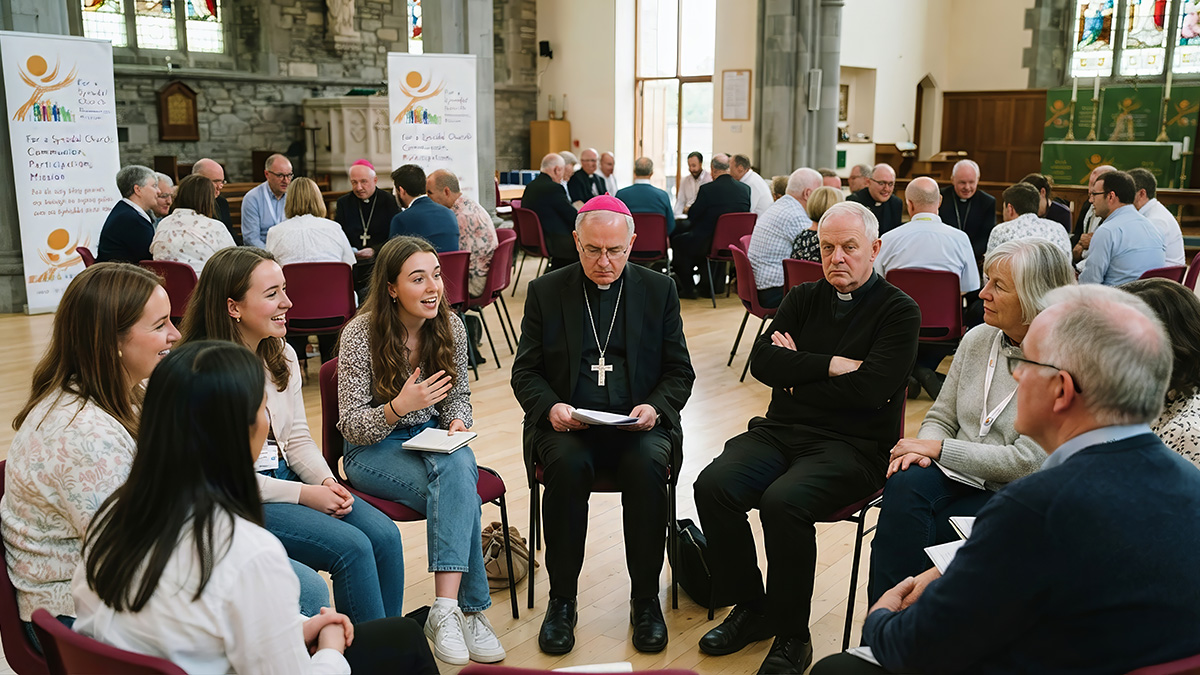
Pope Francis called the Catholic Church to reclaim its synodal roots, inviting the whole People of God—bishops, priests, and lay faithful together—to walk in genuine communion, discerning through mutual dialogue how best to witness to the Gospel today.
In Ireland, this invitation was met with undeniable enthusiasm across every corner of the island.
All 26 dioceses submitted syntheses in 2022, accompanied by 29 additional submissions from various reform organizations and lay groups.
A clear synodal consensus
The resulting 2022 National Synthesis reflected an explicit desire for systemic ecclesiastical reform.
Submissions consistently demanded female leadership in ordained and non-ordained ministries, optional celibacy, married priests, and the reinstatement of departed clergy.
These demands were not fringe opinions within the Irish Catholic landscape.
General opinion polls over the past decade consistently reveal a two-thirds majority in favour of both women priests and married clergy.
Furthermore, while 69 percent of the Irish population identifies as Roman Catholic in census data, only 15 percent actively participate in church life.
Erasing the uncomfortable truths
Despite this overwhelmingly clear consensus, the official agenda has undergone a drastic transformation.
The Working Document for the Irish National Synod scheduled for October 2026 mentions women priests, optional celibacy, or married clergy zero times.
Four years of lay dialogue on these vital topics have effectively vanished from the official synodal record.
In place of substantive reform, the Women’s Working Group offered only a feeble proposal to advocate for ongoing exploration of women’s ministry, including the diaconate.
Regarding the female diaconate, the document cited a lack of internal consensus, effectively kicking the issue further down the road.

Guarding the institutional gates
This stark omission demonstrates how deeply ingrained patriarchal control remains within the Irish Church hierarchy.
Bishops continue to exercise absolute authority over the synodal machinery by carefully controlling who sits at the table.
The episcopate handpicked all delegates for last year’s Kilkenny gathering and the October 2026 National Assembly.
While groups like We Are Church Ireland and the Association of Catholics in Ireland were given a small number of delegates, the vast majority were selected from the 15 percent active churchgoers.
The marginalised majority—representing over half the Catholic population—was reduced to purely token representation.
Conformity over conviction
This institutional gatekeeping ensures that episcopal advancement remains strictly conditioned on ideological submission.
Consider Ger Nash, selected as the new Bishop of Ferns in 2021.
In an early interview, Nash openly supported ordaining women to the priesthood.
Within a single week, he walked back his statement to the Irish Catholic, confirming complete submission to papal bans against women’s ordination.
Patriarchal power rewards conformity over authentic conviction.
Until the hierarchy surrenders its monopoly on governance, synodality will remain an exercise in managed consultation rather than genuine transformation.
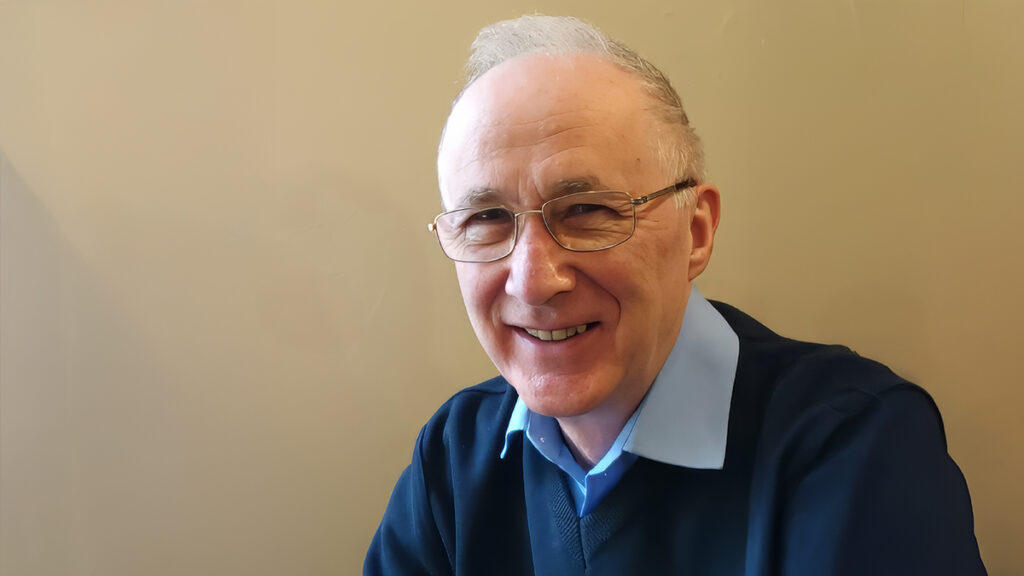
- Colm Holmes is Chair of We are Church International.