

The Catholic Archdiocese of Brisbane recently reported that the racism experienced by First Nations people is “structured, daily, embedded in public life,” and has intensified since the 2023 Voice to Parliament referendum.
It is a stark sentence. It does not simply describe a problem; it reveals a wound.
And wounds, when named truthfully, ask something of us.
In May 2026, Pope Leo offered a profound apology for the Holy See’s historic failure to condemn slavery, calling it “a wound in Christian memory.”
Some wounds are not healed by time. They are healed by truth, repentance, and the courage to listen to those who have carried the burden longest.
A global body, a shared wound
As Australia listens more attentively to elders who speak of structural racism and its corrosive impact, the international Church is invited into the same posture.
The Body of Christ is global, and so are its wounds.
The lived experience of Black, Asian, Minority and Ethnic (BAME) Catholics in parishes, dioceses, and national communities deserves the same reverent attention: listening without defensiveness, making space without fear, receiving testimony without rushing to explain it away.
A story that mattered
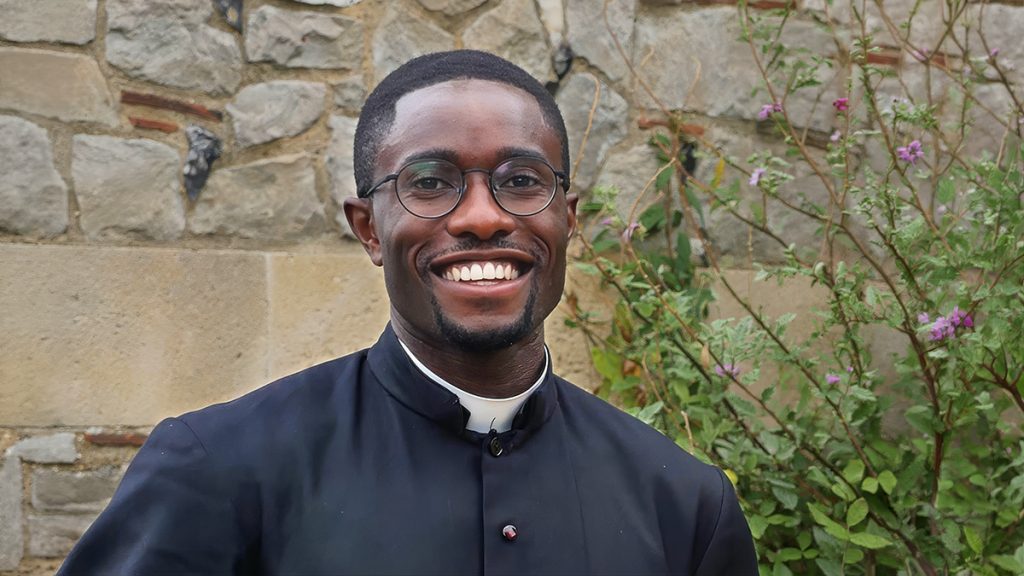
In 2023, Deacon Paschal Uche became the first British‑born Black priest ordained in the Diocese of Brentwood.
He reflected that the fact he was the first “tells a story.”
He spoke of how his vocation was not heard with the same seriousness that might be afforded to a white, privately educated young man.
Visibility mattered to him. He remembered the absence of Black leadership in his Catholic junior school, and how that absence quietly shaped the horizons he imagined for himself.
Change begins with love
Meaningful change begins with love. Pope St John Paul II reminded us that “we cannot live without love,” and without it, life becomes empty.
Love asks for humility, including the humility for the West to receive the Gospel from priests and religious of the developing world, whose witness often carries a clarity we need.
Sister Thea Bowman expressed this beautifully: “I bring my whole self to Church — my whole self, my Black self.”
Her words remind us that the image of God is Black as much as it is white, and that representation is not decoration but truth‑telling.
Christ, our true reconciliation
Christ is true reconciliation. The Church should not be afraid to dig deep, to name its wounds, and to listen to those who have long been unheard.
As children of God, we should settle for nothing less.
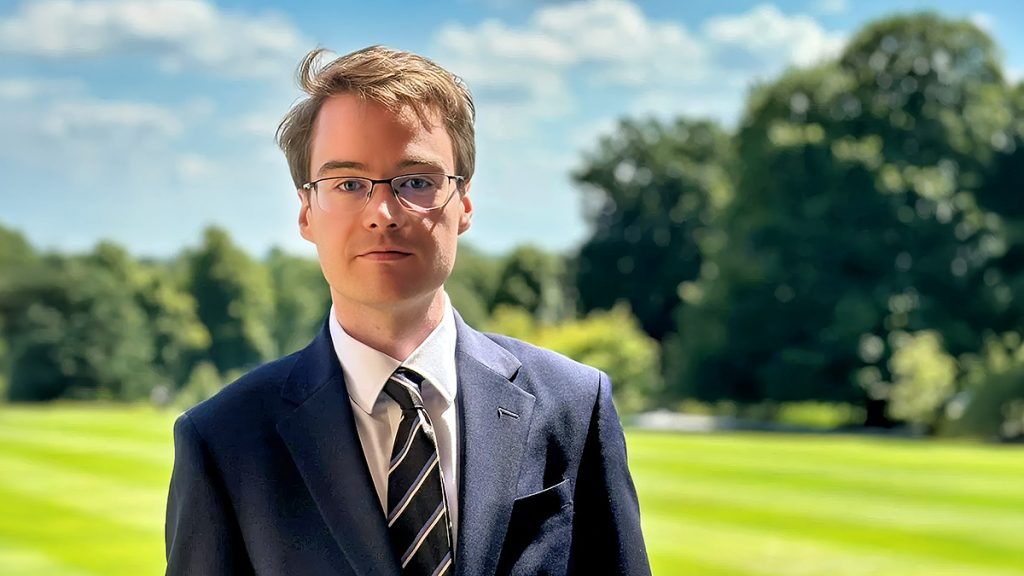
- James Gordon Reid Haveloch-Jones is an educational consultant, applied theologian, and author of an Amazon Top 50 Study Skills bestseller. He is an Honorary Associate Fellow of St George’s House, Windsor Castle, and a trustee of the Heythrop Association at the University of London. He is a Contracted Contributing Writer for the Catholic Bishops’ Conference of England and Wales ‘God Who Speaks’ initiative. His work has also appeared in the Church Times, National Catholic Reporter, Premier Christianity, ICN, and is featured in the NJPN network. Internationally he has written for BuddistdoorGlobal and is featured in Instituto Humanitas Unisinos.