
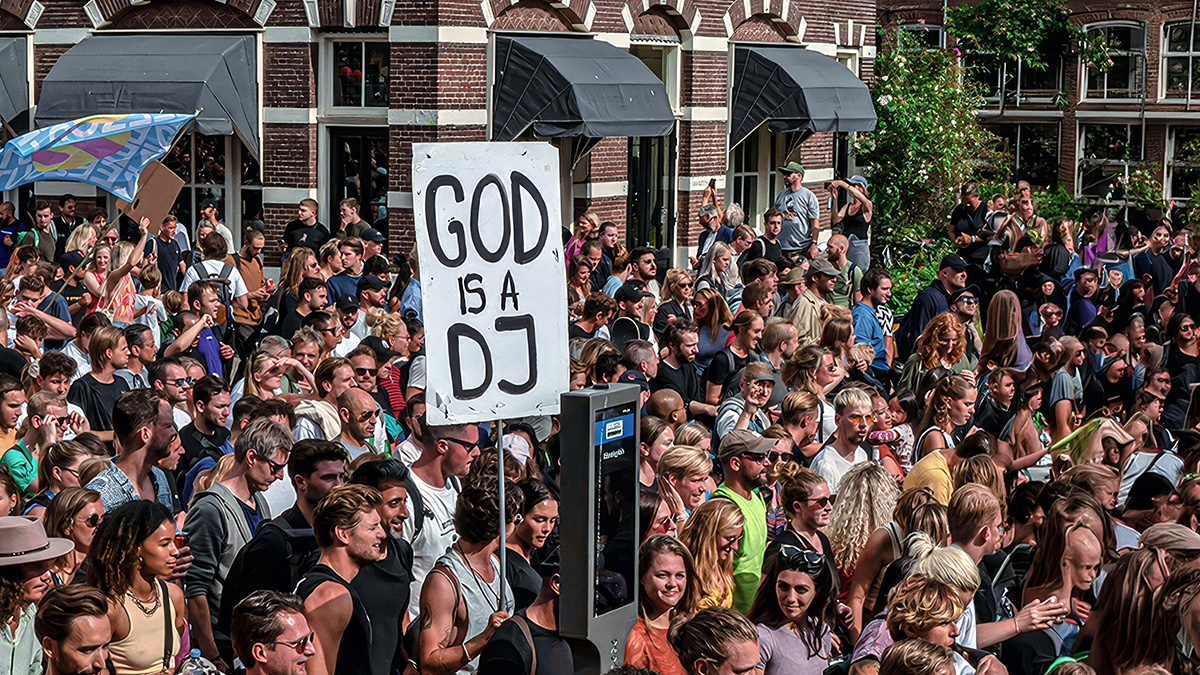
The worship music that styles itself as hip is often so simplistic that it fails the faith it claims to serve.
Mainz church musician Hans-Jörg Kaiser recently made this point, arguing that the lyrics of some modern liturgical music lack substance and depth.
But the problem goes well beyond music.
Self-appointed “Christfluencers” with enormous followings have been going viral for years. Visit one such page and the algorithm floods you with dozens more.
Authority without credentials
The pattern points to something deeper. The interpretive authority over Catholicism has slipped its moorings. The algorithm-based bubble lends an air of credibility and seriousness where neither has been earned.
The theological expertise on display is, as a rule, highly questionable. Bible passages are ripped from context. Catholic tradition is cherry-picked and misapplied. The two habits cheerfully reinforce each other.
Conviction versus competence
Personal religious conviction and private opinion are made to stand in for genuine expertise. The result is predictable. Bashing academic theology has become standard practice — carried out in the name of a direct line to Jesus or a heresy-hunting pseudo-orthodoxy.
Short posts across social media channels are dangerously oversimplified precisely because they are short. They function as a seductive ideology, and without theological grounding, audiences take them at face value.
Tilting at windmills
Pushing back with nuance is like tilting at windmills. Careful, informed argument cannot compete with hard-edged certainties — least of all in TikTok brevity.
The AI amplifier
The sheer volume of this content raises a further concern. AI-generated information about Catholicism will likely follow the same questionable path.
AI is only as intelligent as the material it is fed.
The danger of this digitally spread, self-imposed immaturity is real. It breeds dependency wherever the capacity for critical thinking breaks down — or is deliberately shut out.
The uncontrolled shift in interpretive authority has been named. Whether and how it can be contained remains an open question.
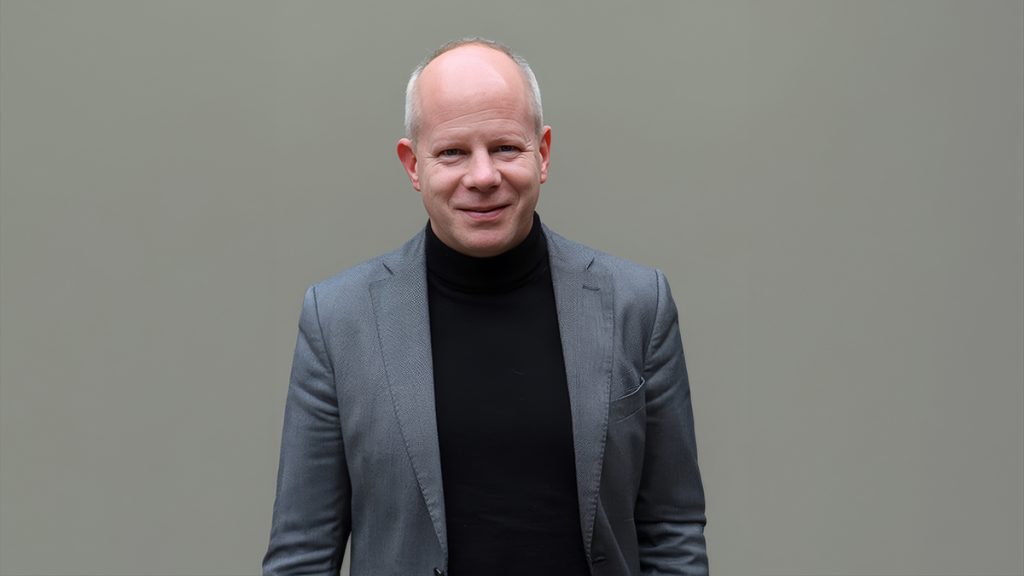
- Oliver Wintzek is a Professor of Dogmatics and Fundamental Theology at the Catholic University of Applied Sciences Mainz and a cooperating priest at the Jesuitenkirche in Mannheim. A vocal advocate for intellectual rigour in the Church, his commentary frequently tackles theological superficiality, digital fundamentalism, and the need for a modern, well-reasoned faith. He writes an occasional column at Katholisch.de