
Flashes
-
Global South shut out again: Synod’s liturgy team under fire
Reactions to the new Synod liturgy working group focus heavily on diversity. With limited involvement from the Global South, the dominance of clergy and few women represented, many suggest the credibility of the group’s synodal aims is weakened.

-
When divine justice feels delayed
esus’ assurance that God’s chosen will find quick justice seems contradicted by human experience. The faithful must grapple with the gap between divine promise and human suffering, asking what role God—and we—play in the story of justice.

-
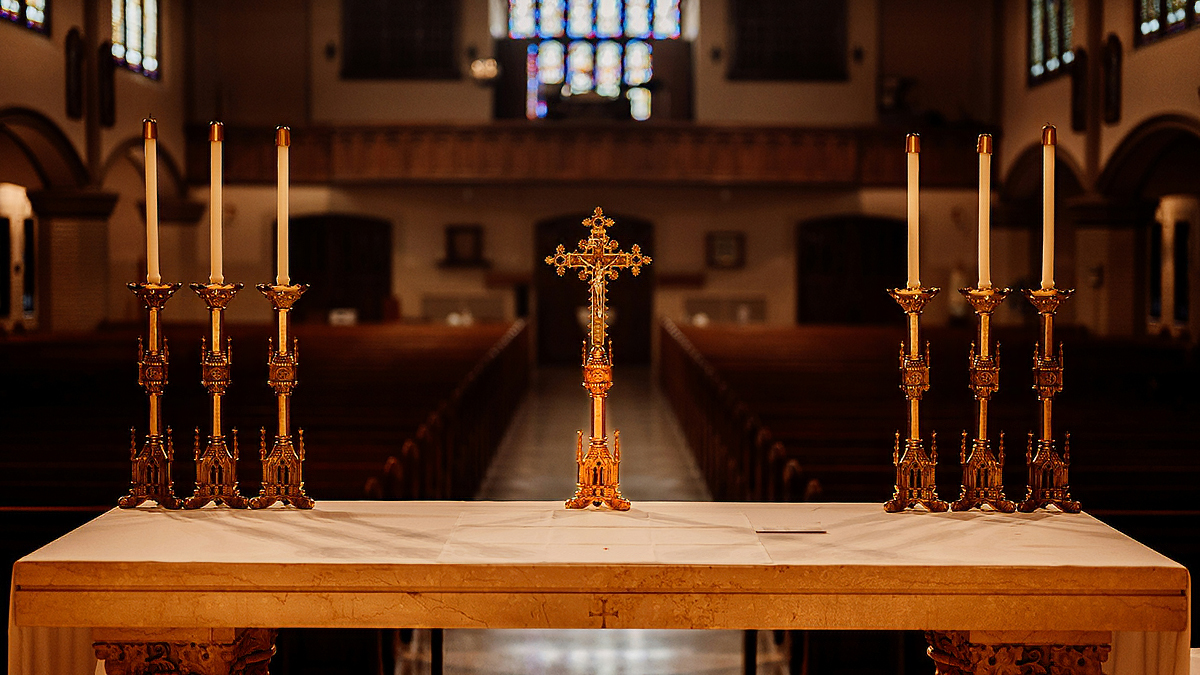
Liturgy needs a living voice, not a frozen page
Worship often sounds more written than spoken, as if directed at God rather than spoken with God. Liturgy that stays on the page risks sounding noble but distant. Translation is not imitation but incarnation.

-
Spiritual fireworks don’t last
Many renewal movements start strong but fade fast. The difference lies in whether they transform culture or simply stir emotion. Renewal that lasts leads to mission, not just moments of conversion or Church-building.
-
From first witness to fallen woman: the rewriting of Mary Magdalene
Names like Mary Magdalene and Photini, the Samaritan woman known as the first Evangelist, reveal a deep yet suppressed tradition of women leaders. Their stories challenge a Church that still struggles to welcome women as full partners in ministry, governance and proclamation.

-
When Pilate meets the algorithm: AI and the search for truth
Pilate’s ancient question echoes through our digital age. As AI fabricates images, voices, and even popes, the Church faces a timeless challenge: how to tell what’s real. When truth can be generated, edited, and endlessly reshaped, how do we recognise it— and would we even know if we did?
-
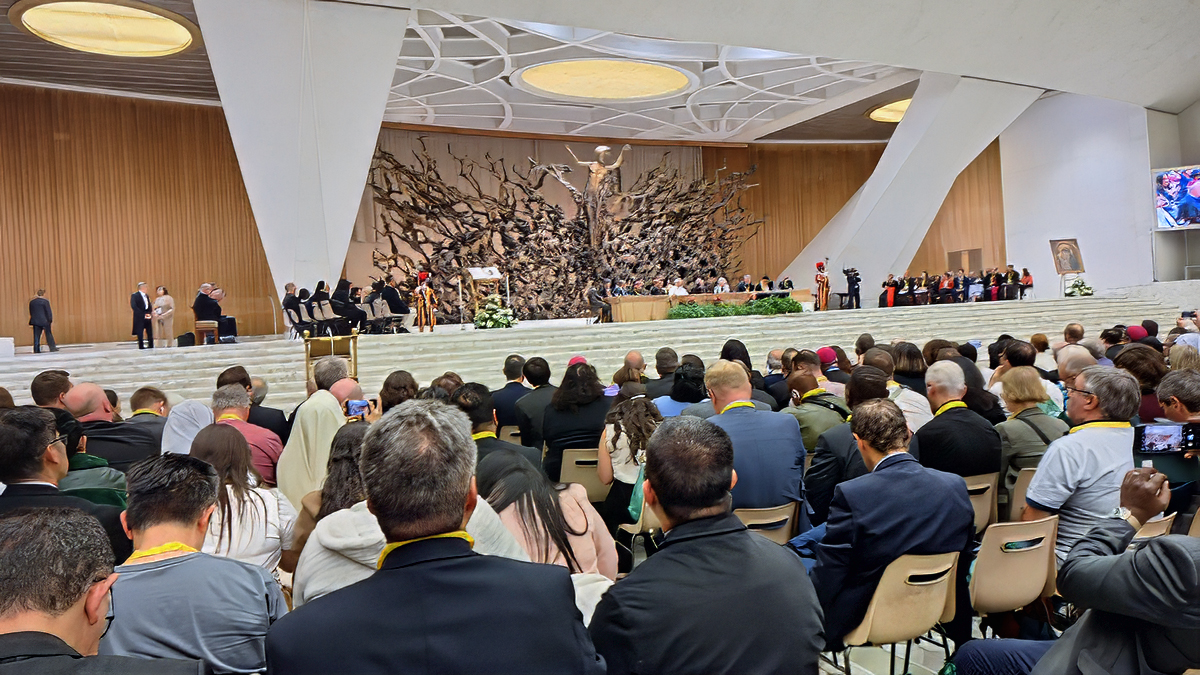
Vatican’s Synodal support strong, but global uptake uneven
Pope Francis envisioned a Church of communion, participation and mission. Yet, as Pope Leo continues that legacy, real-world uptake remains uneven — with resistance reported even among high-ranking clergy in countries like Germany and Australia.
-
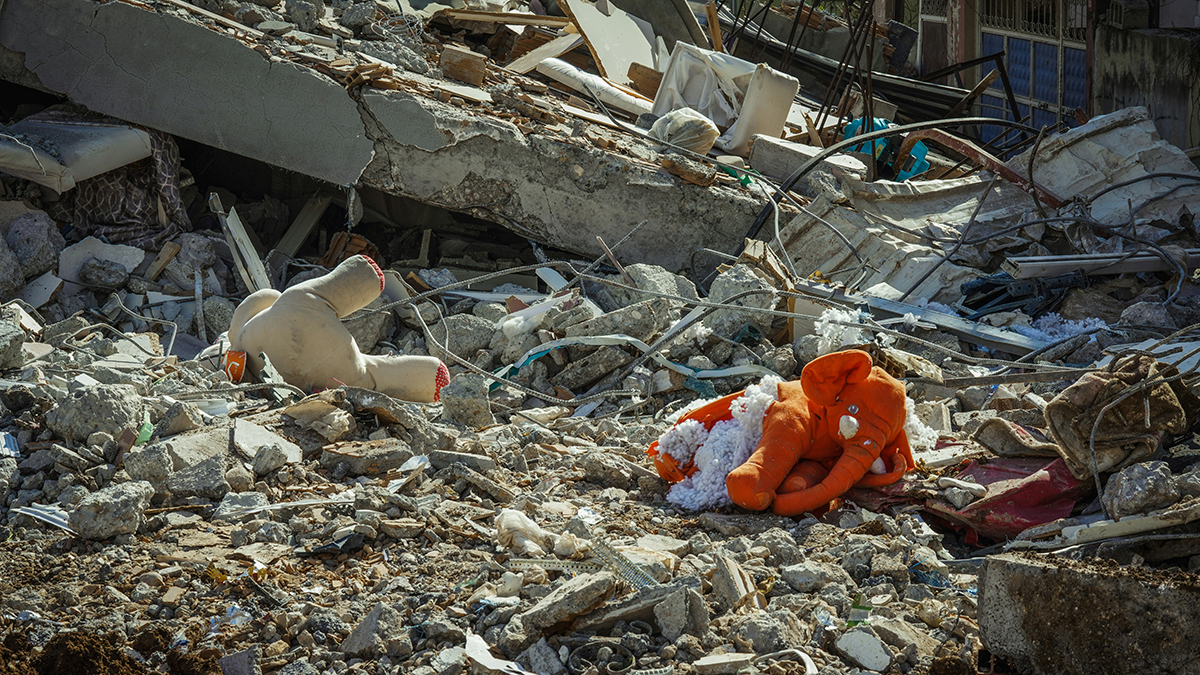
Dehumanisation fuels violence
Once hatred is sanctified as duty, violence can masquerade as obedience to God rather than rebellion against compassion. Scholars have tried to suggest the text was hyperbolic. Yet, these verses reveal the deep mechanism by which fear and faith intertwine in acts of exclusion.
-
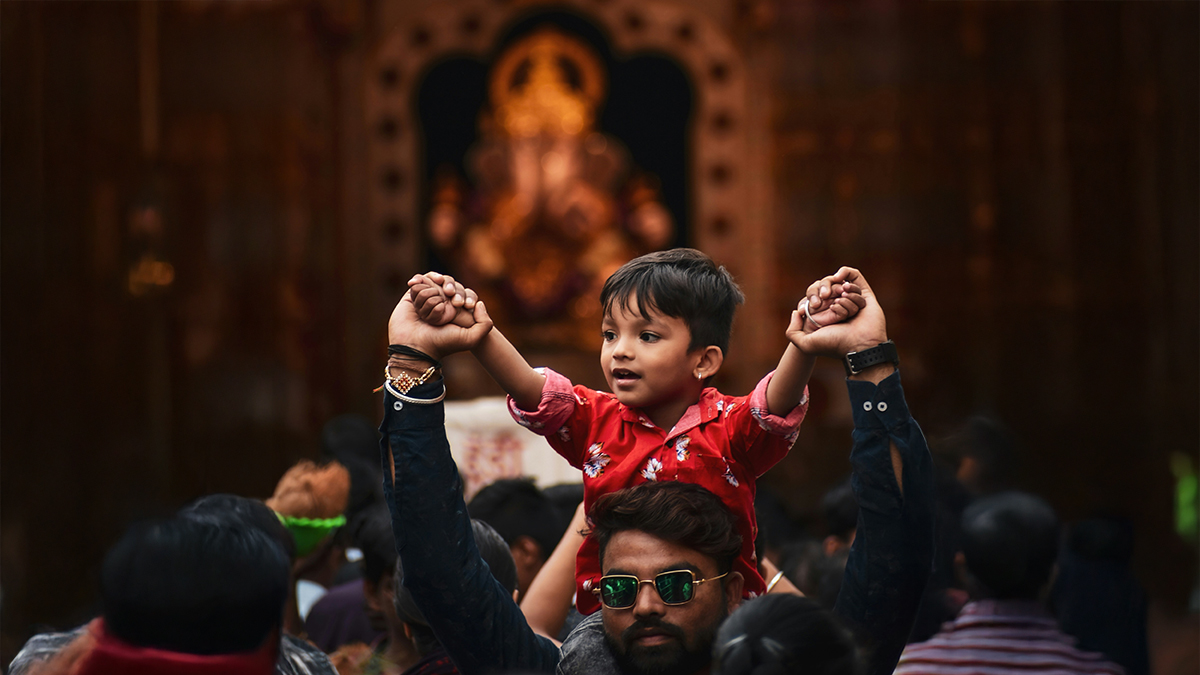
Nurturing children when religions meet at home
Interreligious families embody both fragility and beauty. Catholic children growing up amid multiple faith traditions must navigate festivals, rituals, and beliefs with curiosity and compassion — a lesson in diversity that many adults still struggle to learn.
-
Andrew: A scandal fit for scripture
As Leonard Cohen sang, “there’s a crack in everything — that’s how the light gets in.” The fall of a prince, like the fall of prophets before him, reminds us that grace hides in uncomfortable places — even behind prison walls or royal façades.
Get Flashes of Insight
Flash Focal Points
AI Baptism Church History Church Reform Clericalism Communications & Media Compassion Culture Culture & Faith Deacons Digital Age Discipleship Eucharist Faith Faith Dialogue Gender Equality Hope Human Dignity Inclusion Justice Lay Leadership Leadership LGBTQ+ Liturgy Ministry Mission Peace Politics Pope Francis Pope Leo XIII Poverty Prayer Priesthood Social Justice Synodality Theology Tradition Vatican Vatican II War Women Women's Ordination Women Deacons Women in Ministry Youth
Donate
All services bringing Flashes of Insight are donated.
Significant costs, such as those associated with site hosting, site design, and email delivery, mount up.
Flashes of Insight will shortly look for donations.