
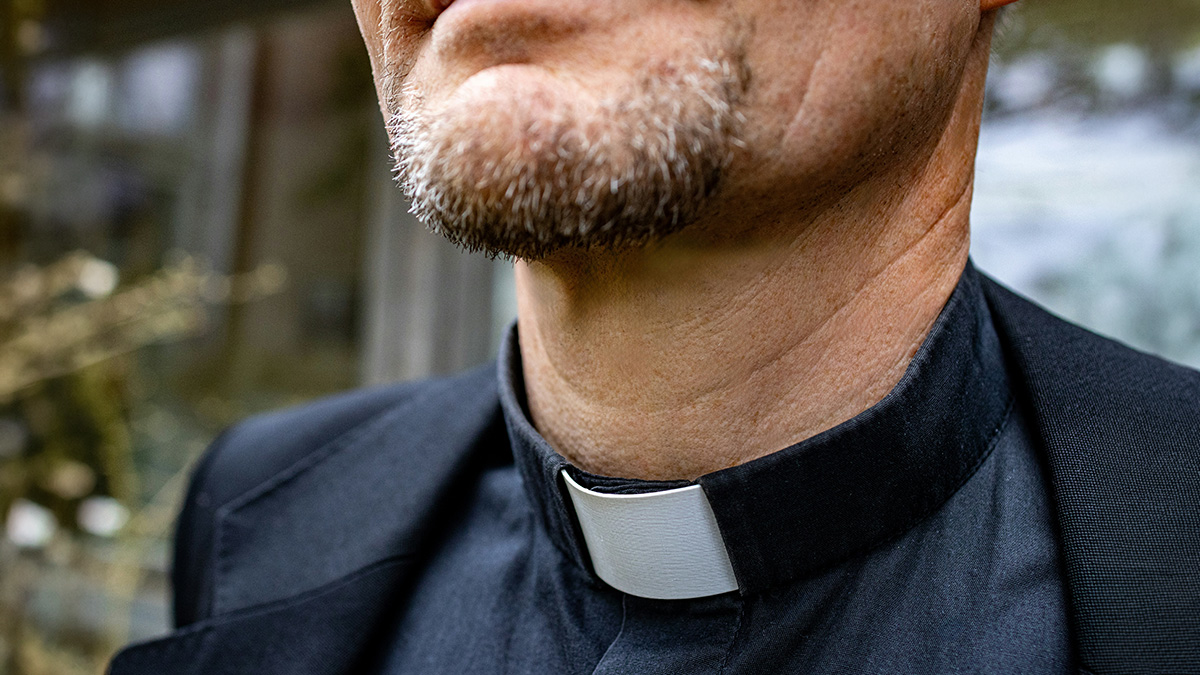
This is the title of an extensive report the University of Notre Dame recently published.
It is written by two men (Thomas Berg and Timothy Lock), both with notable pedigrees in dealing with many aspects of the abuse crisis which has engulfed the church in recent years.
It sets out a series of recommendations concerning the psychological assessment and support of seminarians.
It is detailed and comprehensive, but some quarters have criticised it as “homophobic” in its underlying assumptions.
Questioning the premise
Whatever underlying assumptions may or may not underlie sections of the report, I wonder whether the premise on which it rests needs questioning.
For as long as I can recall, scrutiny of candidates for orders has focused more on the individual and his “rights” than on the “rights” of the community for and to whom a candidate will be ordained.
Let me explain.
Inside the scrutinies
It has been over thirty years since I taught in a seminary with its regular rhythm of “Scrutinies” for candidates for ministries and orders.
As a staff we took these meetings very seriously indeed.
Discussions about some candidates were straightforward, usually affirming their applications.
Very few were clearly negative; most students in this category had left, or were asked to leave, certainly by the time it came to scrutiny for orders.
The problems centred on students where doubts of one kind or another were raised.
Benefit of the doubt
I recall a conversation with a former colleague in which he said, “I never regretted saying ‘No’ to a student’s progress but looking back I regret giving some of them the benefit of the doubt and voting ‘Yes’.”
I agreed wholeheartedly with his comment.
In our discussions about such candidates, we often tried to imagine whether a particular student might fit into parish life.
We mostly gave the benefit of the doubt to the student, but who were we to decide whether that was fair?
Surely this should have been the community’s task, not the seminary staff, well removed from the rhythms of parish and presbytery life.
Beyond the seminary
Although extended parish placements were beginning all those years ago, and are now well established in most seminaries, a different approach to training and discernment might avoid some of the undoubted mistakes of the past, when it was the student, not the church community, who were given the benefit of the doubt.
Seminaries have had their time. They were necessary in the past, but we know other models of academic learning are available today.
Who knows, we might be surprised by the candidates the community approves.
Married men… women?
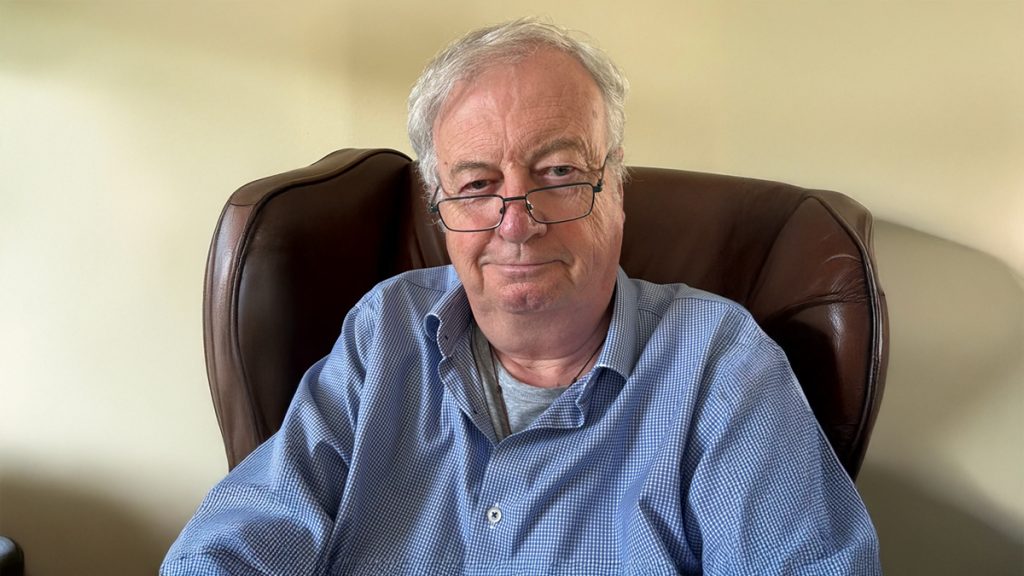
- Sean Hall is an emeritus pastor in Diocese of Hexham and Newcastle. He earned his doctorate from the Catholic University of Leuven (K.U.Leuven). He has taught at Ushaw College Seminary and has held key diocesan roles, including Director of Religious Education and Director of Formation for the Permanent Diaconate.