
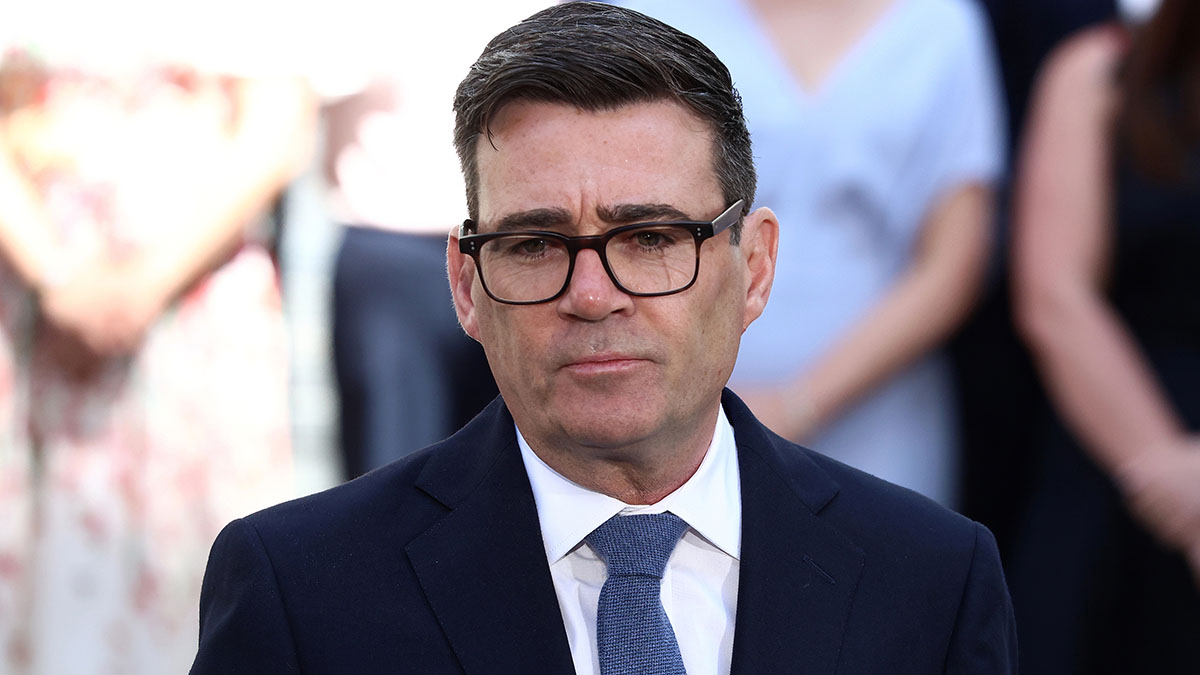
The fact that the new British Labour Prime Minister, Andy Burnham, is the first-ever Catholic to hold the office has been widely acknowledged.
It is also the case that this now means that, unusually, the prime ministers of Australia, Anthony Albanese, Canada, Mark Carney, and Britain are all Catholics. They each lead Centre Left parties.
Both Albanese and Burnham have joked that their prime attachments are to the Catholic Church, their political party (Labor and Labour respectively) and their football club (South Sydney Rugby League Club and Everton Football Club respectively) though not necessarily in that order.
A curious Catholic coincidence
This is an unusual ‘Catholic’ moment, but does it mean anything beyond just being an oddity that leads to celebration within the tribal Catholic media? Maybe not.
We should be careful not to exaggerate the link between denomination and political preference, especially given the prominence now of Catholics on the conservative side of politics. American Catholics, like JD Vance and Marco Rubio in the Trump administration, are an obvious example.
These celebrations of Catholicism often include media reports on the person’s background and current church practise.
Generally, in the case of Centre Left Catholic politicians, such reports trace the origins of their commitment to social justice to their upbringing in Catholic families and schools, which continue even if they later leave the church behind.
Worlock’s lasting influence
In the case of Andy Burnham, these media stories about his past influences included detailed discussion of the supposed impact on his politics of Archbishop Derek Worlock of Liverpool (1976-1996), a critic of then-British Conservative Prime Minister Margaret Thatcher.
As reported in The Guardian, Worlock ‘urged Catholics to fight poverty and inequality’. Burnham also gravitated to some Catholic Labour MPs after he entered Parliament himself.
We should also be careful not to overemphasise the link between Catholic faith and Centre Left politics because of the complicated relationship between social class, ethnicity and religion. These factors can either reinforce each other or be in tension.
Different lessons, different politics
There is enough variety in any set of religious doctrines to enable individuals to pick and choose what has greatest influence upon them.
My own research some years ago, when I surveyed some Catholic MPs in the Australian Parliament, revealed that those on different sides of politics learned different lessons from their faith.
Centre Left MPs (Labor and Green) stressed social justice, fighting poverty and workers’ rights, while Centre Right MPs (Liberal and National) stressed life and death issues, such as opposition to abortion and euthanasia.
The comfort of tribalism
Tribalism has its comfortable place. When one of ‘ours’, like a Catholic politician, is successful, that is an event worth some celebration. Like an outstanding Catholic judge, charity worker or Olympic athlete.
But we should wear our tribalism lightly and not take it all too seriously. Many factors, not just religious denomination, shape the directions taken, successes and failures, in our life’s journey.
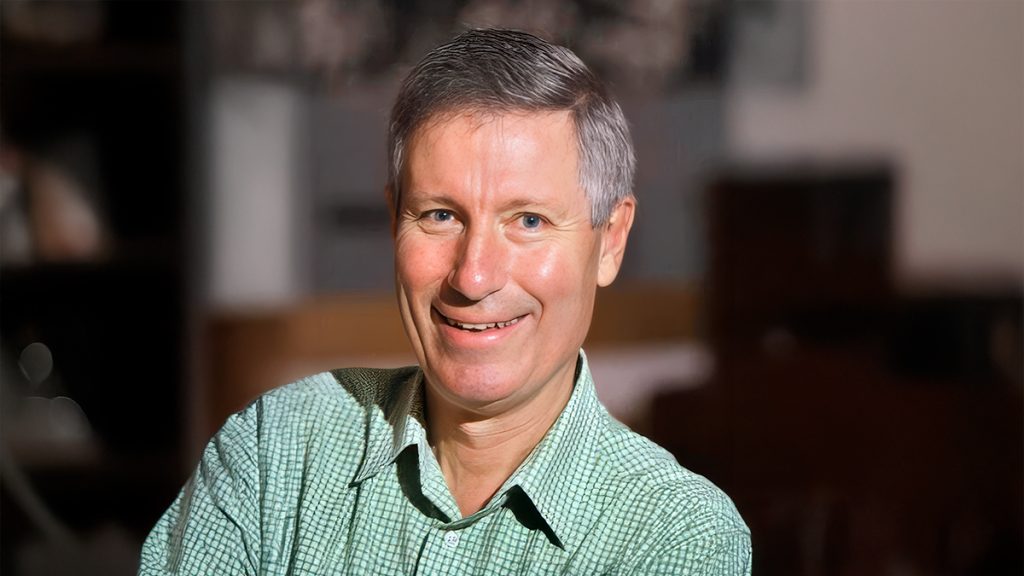
- John Warhurst is Professor of Political Science at the Australian National University in Canberra and a Director of the lay Catholic peak organisation, the Council of Australasian Catholics.