
Church Reform
-
When the healer becomes the patient
The author — both doctor and believer — sees parallels between medical diagnosis and the Church’s moral healing. Misdiagnosis delays recovery; honesty and accountability are the first steps toward restoring faith.

-
“Pray, pay, and obey”: the cry of the unheard
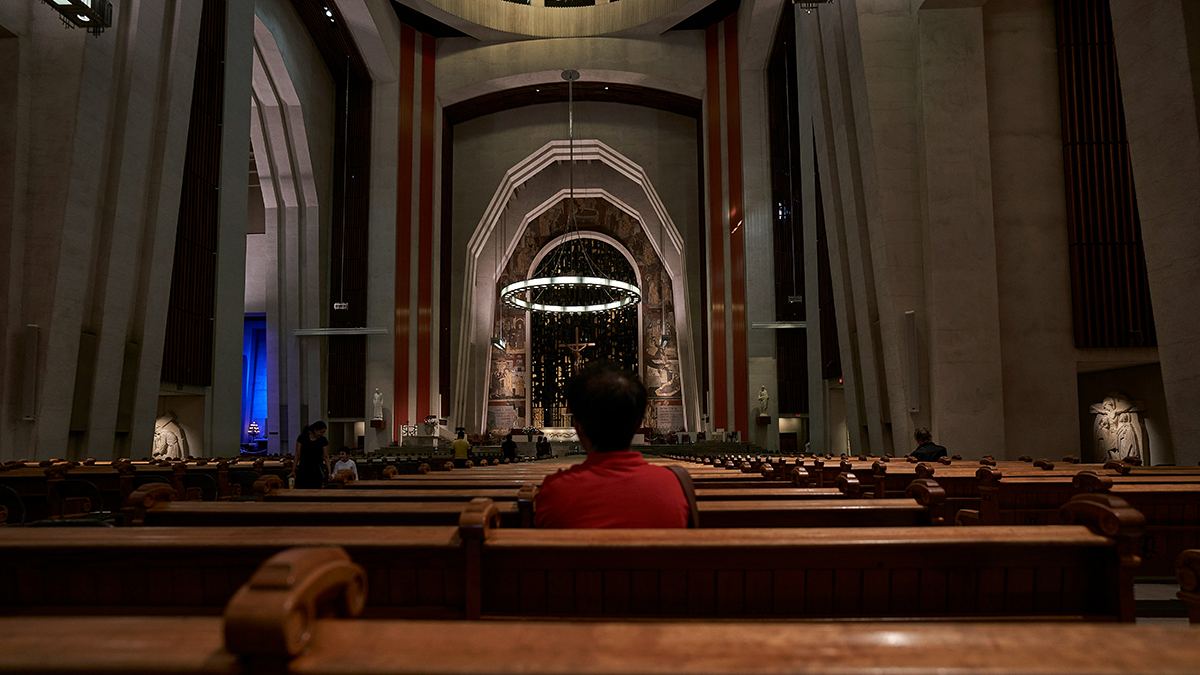
Agency is the feeling that one can make a difference. Its loss breeds despair. When members of the Church feel powerless, many simply opt out.
-
Society’s critique may reflect the Church’s true image
Society reflects back what the Church projects. Critical voices from outside often echo our own internal dissonance. That’s why listening — even to discomfort — is essential for self-understanding and rebuilding credibility.

-
Reform without an imprimatur
Though it lacks official endorsement, the Bristol Text offers reassurance that reforms can be both faithful and lawful. Its authority rests on theologians and pastors who shaped it, rather than on hierarchical approval.
-
The silent schism
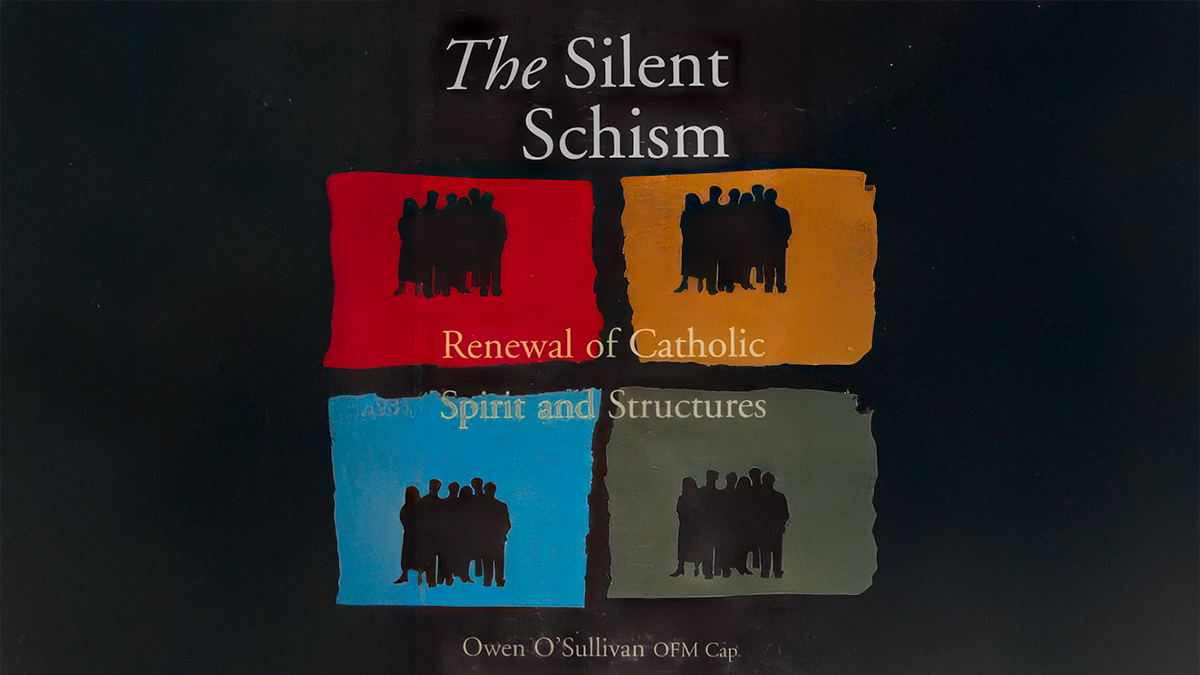
The silent schism is not dramatic or violent. It unfolds in disillusioned hearts and empty pews, as Catholics quietly conclude that staying within the Church brings more heartache than hope. Unlike past schisms, it lacks noise—but its damage may be far greater.
-
Cardinal Sarah’s paper tiger
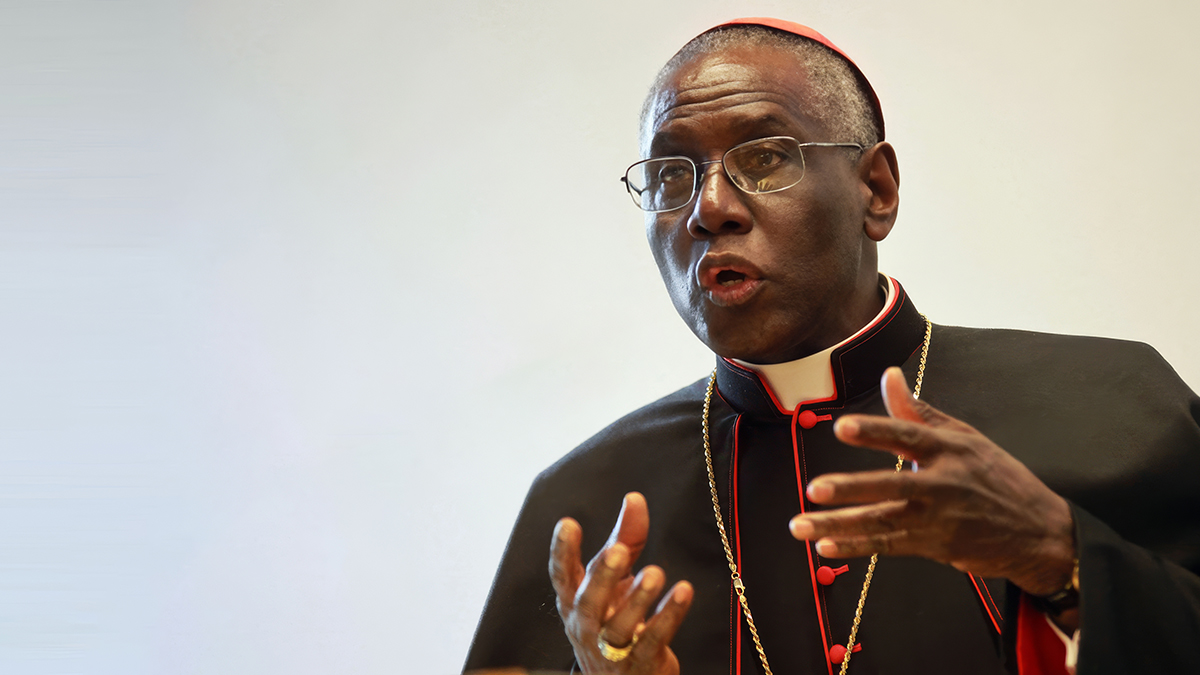
Cardinal Sarah’s opposition plays into a paper tiger: a strategy of threats and polarization that risks distracting from the patient work of cultural adjustment already underway in the Church. The danger is giving more oxygen to an issue already quietly shifting.
-
Five streams of Catholic renewal
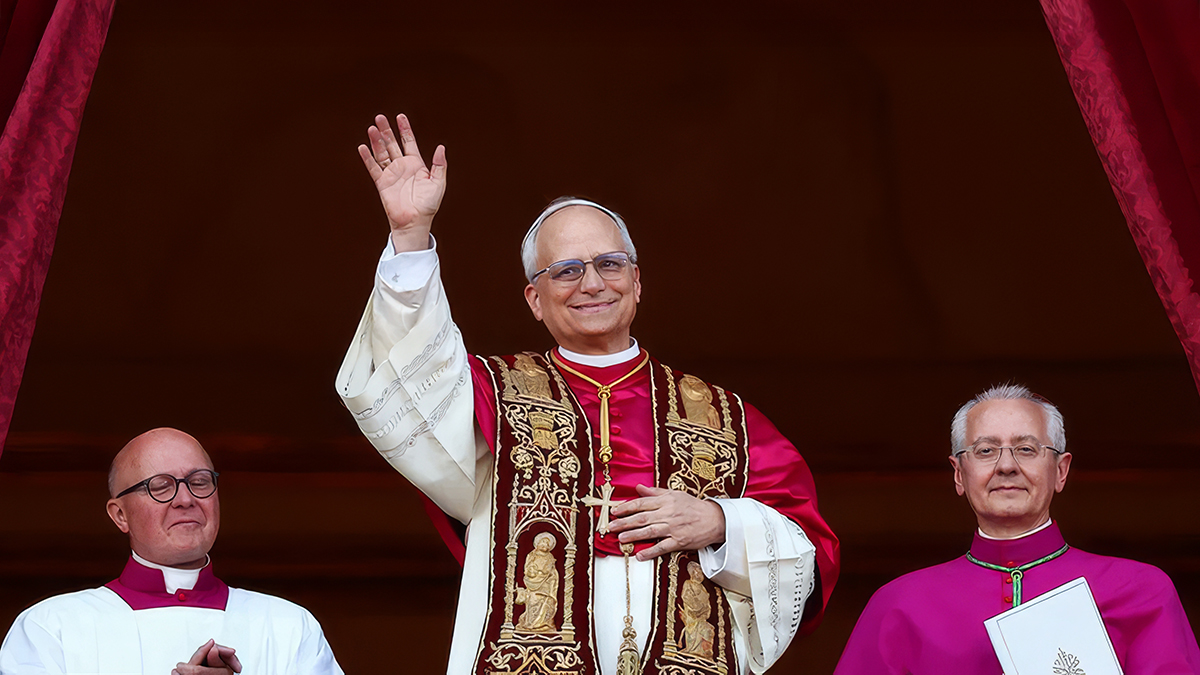
The five renewal paths highlight divisions within Catholicism. From hope-filled engagement to anger and withdrawal, each stream reflects different responses to decades of reform efforts. Together, they show how Catholics wrestle with faith, institution, and identity under Pope Leo’s leadership.
-
Lay ministers take on baptisms in German dioceses
These new developments are more than temporary measures. They reflect a deeper rethinking of sacramental ministry that considers today’s pastoral challenges. While the long-term future of lay-led baptisms in Germany remains uncertain, they are already firmly part of parish and diocesan life.

-
Liturgical antiquarianism by stealth?
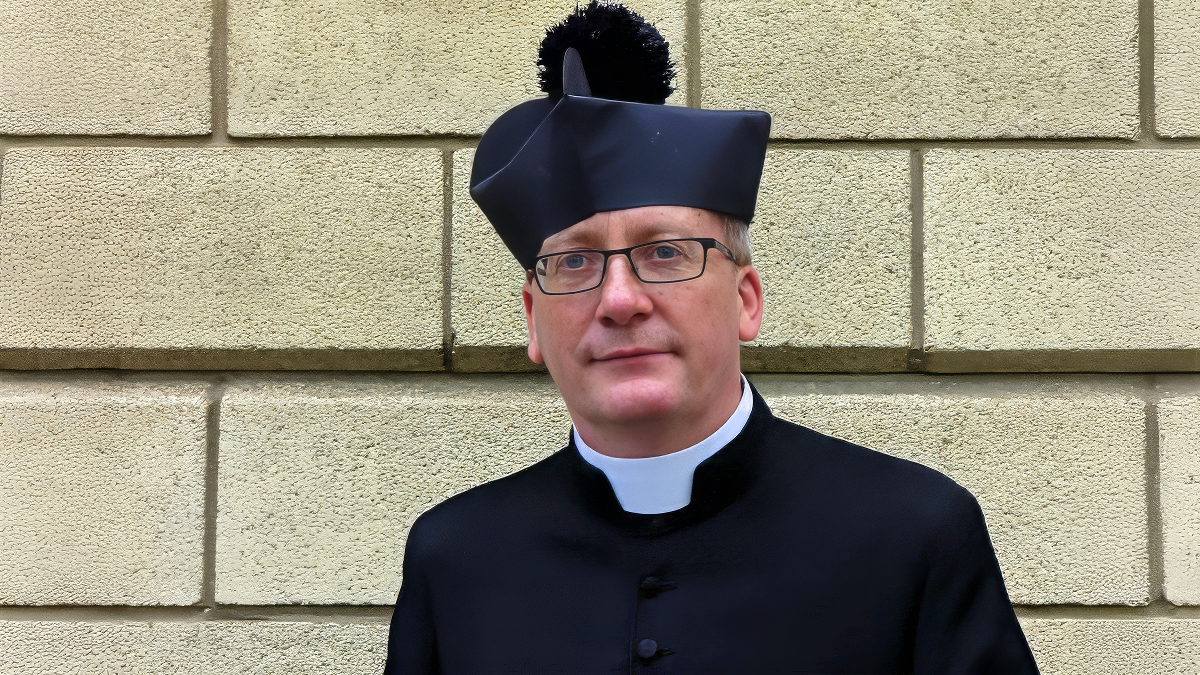
The Second Vatican Council’s Sacrosanctum Concilium urged renewal of the liturgy for active, conscious participation. It insisted that symbols be clear, direct, and meaningful. Yet in practice today, many rituals risk reversing that vision, introducing complexity where simplicity was intended, and creating distance rather than engagement.
-
When Catholic mission moved at a crawl
In the 16th century, it could take years for messages between Rome and Asia to arrive — if they arrived at all. Local missionaries made critical decisions without central guidance. Faster communications give rise to centralised authority.

Get Flashes of Insight
Donate
All services bringing Flashes of Insight are donated.
Significant costs, such as those associated with site hosting, site design, and email delivery, mount up.
Flashes of Insight will shortly look for donations.