
Flashes
-
Enchantment
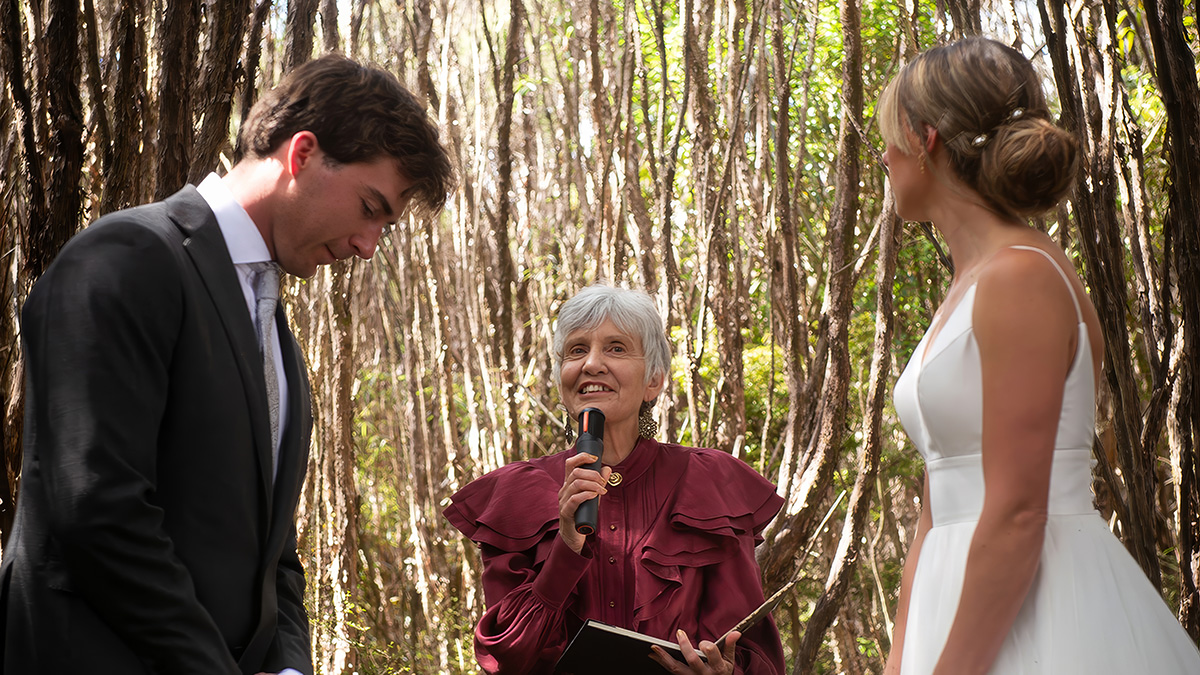
Psychology’s obsession with proof can quietly crowd out enchantment, the very thing that gives ordinary days their depth and colour.
-
Craving certainty in an uncertain world
Pope Francis’s insistence that the Church belongs to everyone challenges legalistic approaches that quietly draw lines and exceptions.

-
Birthing our own theology
From Anne Boleyn’s forbidden reading to Gisèle Pelicot’s quiet faith, real theology often begins far outside church walls.

-
A God who lays down his bow
Ancient warrior imagery gets reworked into a symbol of divine peace, reframing a violent flood story into one about lasting mercy.

-
The overlooked contradiction in Vatican II’s baptism rules
Church teaching lets women baptize in emergencies, raising an uncomfortable question about why that logic stops short of the priesthood.

-
We become what we sing
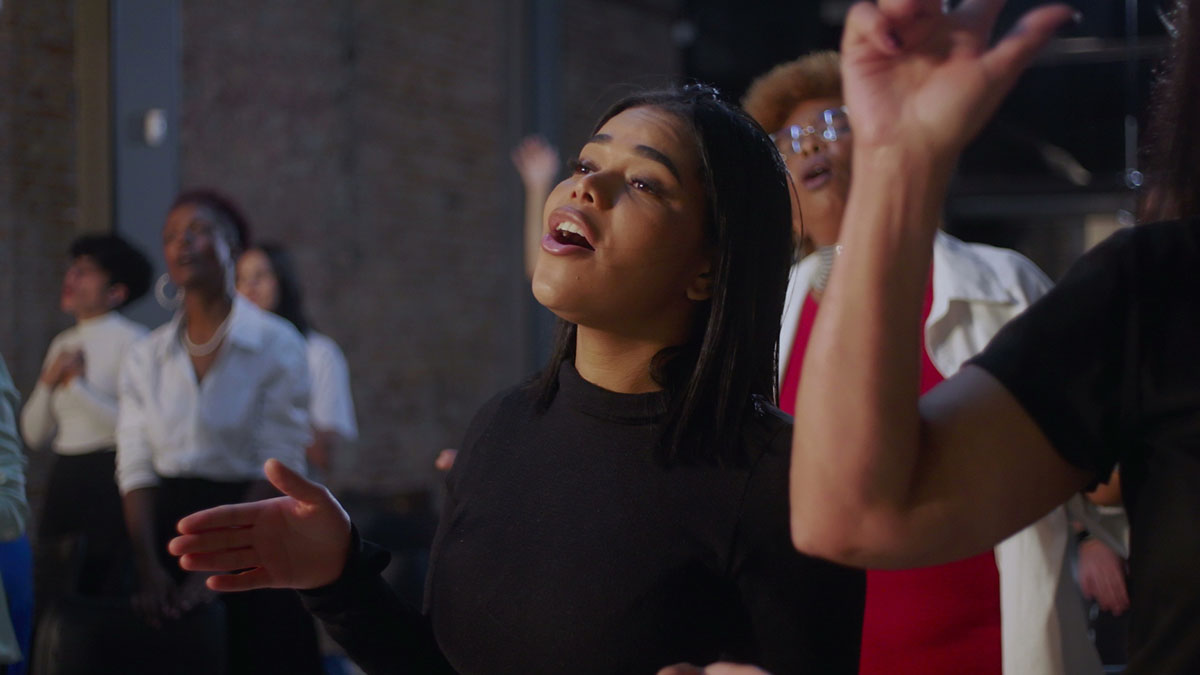
Communal singing does more than lift a mood — it forms belief, binds strangers and slowly becomes part of what a congregation holds true.
-
Lay preaching: A way forward
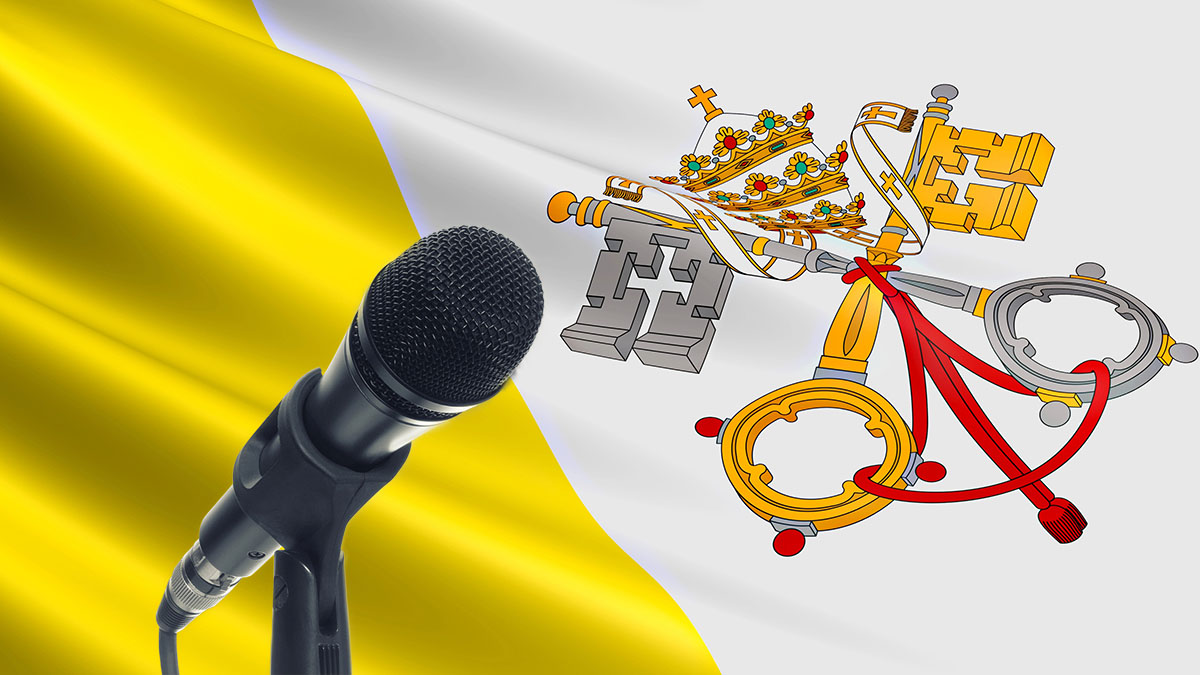
German bishops sought room for lay voices at Mass, but Rome’s answer shows how firmly the homily stays a clerical role.
-
The art of listening — why it matters for faith
Modern life crowds out silence, but Benedict’s monks begin each day setting an intention to truly listen.

-
240 delegates, one day, big decisions
Ireland’s National Assembly will compress months of synodal work into a single day, aiming to finalise a working document by September.

-
Fear, fallout and hope
Vatican II’s promise sparked hope, fear and then disillusionment. Unresolved debates endure to this day, leaving behind lasting tension.

Get Flashes of Insight
Flash Focal Points
AI Baptism Church History Church Reform Clericalism Communications & Media Compassion Culture Culture & Faith Deacons Digital Age Discipleship Eucharist Faith Faith Dialogue Gender Equality Hope Human Dignity Inclusion Justice Lay Leadership Leadership LGBTQ+ Liturgy Ministry Mission Peace Politics Pope Francis Pope Leo XIII Poverty Prayer Priesthood Social Justice Synodality Theology Tradition Vatican Vatican II War Women Women's Ordination Women Deacons Women in Ministry Youth
Donate
All services bringing Flashes of Insight are donated.
Significant costs, such as those associated with site hosting, site design, and email delivery, mount up.
Flashes of Insight will shortly look for donations.