
Flashes
-
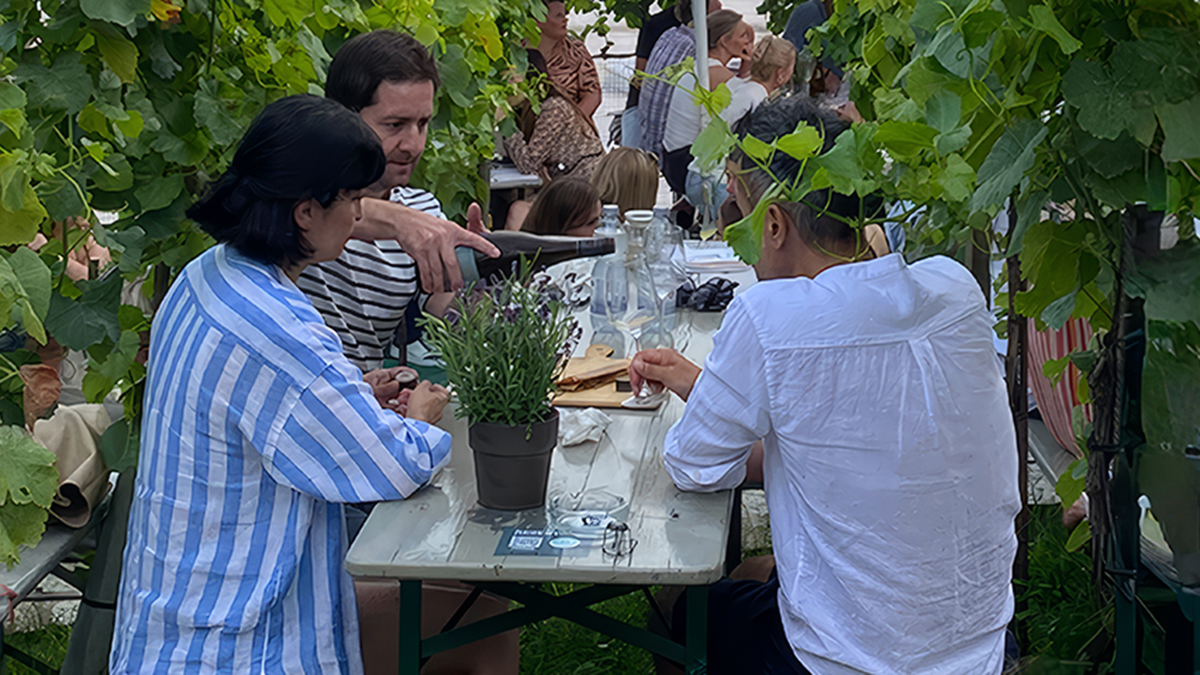
Eucharist is a verb before it’s a noun
Celebration, not just consecration, sits at the center of this theologian’s rethinking of what happens at Mass. A priest’s authority to act “in the person of Christ” is inseparable from acting in the person of the whole Church.
-
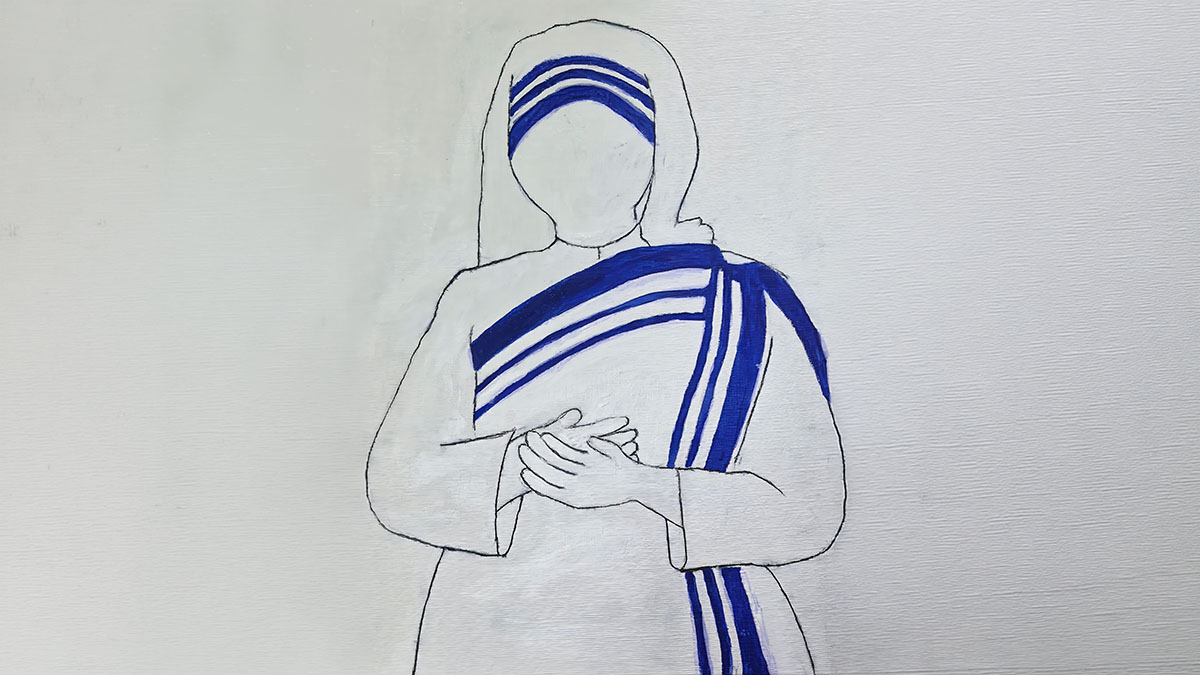
The sari that speaks
Choosing Indian dress over European habits, Mother Teresa modeled a form of inculturation the Church would only later embrace. The modest garment worn by street cleaners became a worldwide emblem of compassion, poverty and spiritual commitment.
-
How low can regular Mass attendance go?
The Math every Western diocese needs to learn; Catholic schools are full — Parish churches are empty! Is the clerical view, Church attendance, the only metric?

-
The real presence that walks out the church doors
Encountering Christ at the altar is meant to send believers toward the poor and marginalised in daily life.

-
The quiet satire behind Ireland’s gift to Donald Trump
Exploring the monastic tale of the Navigatio exposes a sharp theological counterweight to territorial conquest and personal ambition.

-
God present in Creation?
A grandfather’s reaction to a Noah’s Ark storybook sparks reflection on how faith explains floods, sin, and suffering.

-
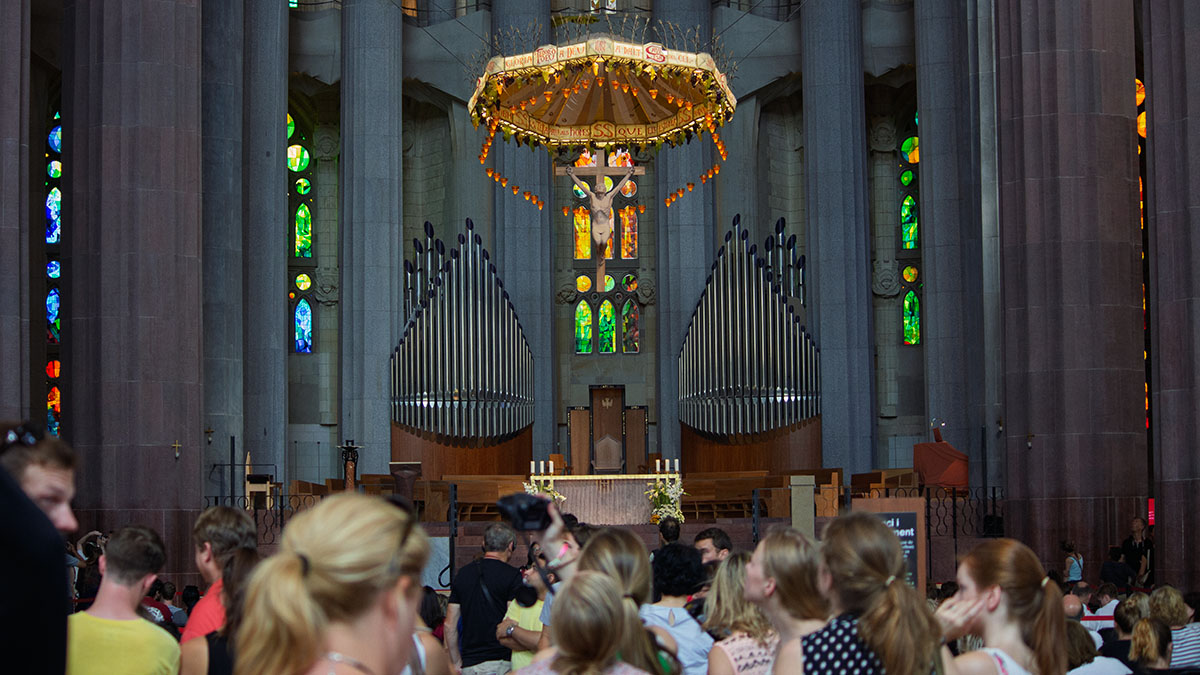
What’s a Cathedral for?
Understanding a cathedral without grasping worship is like admiring an airport without understanding flight or its purpose.
-
A lesson for Donald Trump from the Hills of Cyprus
A personal travel reflection turns political, naming leaders who treat faith as a boundary rather than a bridge between people.

-
The hard part — implementing Synodality
Approving a document was the easy. What happens next depends on whether laity, bishops and priests actually change how decisions get made.

-
Rewriting the narrative: elders as bearers of grace and wisdom
Families worldwide face growing strain caring for aging parents as urban life and shifting traditions erode older support systems.

Get Flashes of Insight
Flash Focal Points
AI Baptism Church History Church Reform Clericalism Communications & Media Compassion Culture Culture & Faith Deacons Digital Age Discipleship Eucharist Faith Faith Dialogue Gender Equality Hope Human Dignity Inclusion Justice Lay Leadership Leadership LGBTQ+ Liturgy Ministry Mission Peace Politics Pope Francis Pope Leo XIII Poverty Prayer Priesthood Social Justice Synodality Theology Tradition Vatican Vatican II War Women Women's Ordination Women Deacons Women in Ministry Youth
Donate
All services bringing Flashes of Insight are donated.
Significant costs, such as those associated with site hosting, site design, and email delivery, mount up.
Flashes of Insight will shortly look for donations.