

As far back as 2000, when the late Pope Benedict XVI issued Summorum Pontificum freeing up the use of the 1962 Rite (replaced in 1965 and then abrogated by Pope Paul VI with the introduction of the novus ordo in 1970), he wrote to the bishops that his intention was to bring greater unity and cooperation within the church.
From then on, he said, there could be “two uses” of the “one rite.” He did not claim that one was the “traditional Mass” and the other wasn’t. In his letter accompanying SP, he hoped for a sort of mutual enrichment between the two “uses.”
Little sign of enrichment
Since then, there has been little evidence of mutual enrichment of the 1962 use by the novus ordo. Apart from the revision of the Good Friday intercession concerning the Jewish people, and some confusion about the liturgical calendar regarding solemnities on weekdays, not much has changed.
What has emerged instead is the return of ritual practices, habits, and vesture that had more or less disappeared in the 1970s. These have crept back for no clear reason, other than the impression that they represent “liturgical tradition” lost with the renewal of the sacred liturgy after Vatican II.
“And he said to them, “Therefore every scribe who has been trained for the kingdom of heaven is like the master of a household who brings out of his treasure what is new and what is old.” (Mtt 13:152 NRSV)
Influence of online liturgies
The enormous expansion of online Masses following the Covid pandemic has made it simple to explore, admire, and sometimes be surprised by what is presented as public liturgy in 2025. Many readers will have their own examples.
I provide a few which seem relevant to the topic. Overall, the themes of multiplication of ritual practice and complication of symbol suffice to make the point.
Examples of revived practices
These include:
- Three rings of the bell at each elevation at the consecration
- The use of old-fashioned chasubles, maniples, and birettas
- Black vestments at requiems, even of bishops
- Presentation of the “manutergium” to the mother of the ordinand, along with the new invention of presenting the stole from the first confession to the father
- Exclusive use of Eucharistic Prayer I, which lacks a clear expression of the epiclesis
- Sideways orientation of the presider’s chair in the sanctuary
- Multiplication of genuflections during the ritual
Vatican II’s call for renewal
The Sacred Constitution Sacrosanctum Concilium asked for renewal of the liturgy so that rituals foster full, conscious, and active participation. It insisted that symbols be clear and effective in their use without confusion or the need for elaborate explanation.
Today, there appears to be a gradual reversal of these principles. All this underlines the importance of teaching seminarians to understand them, and to celebrate the liturgy in the way intended by the Council.
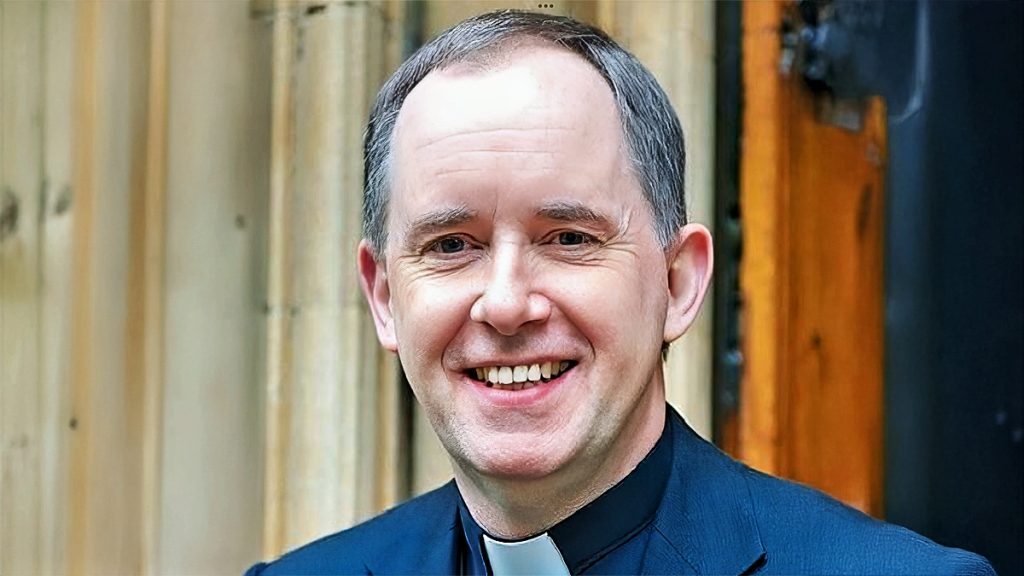
- Fr Andrew Cameron Mowat SJ, a priest of the British Province of the Society of Jesus, a liturgist and parish priest of a large London parish.