
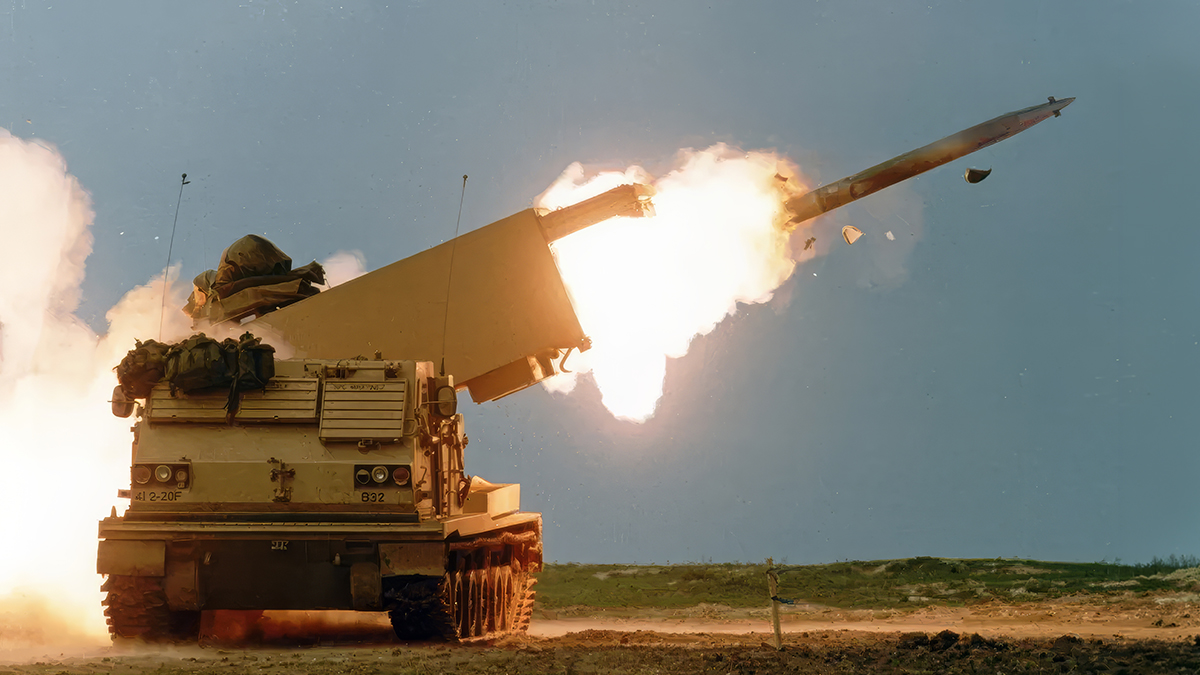
The war unleashed by the U.S. and Israel against Iran and their indiscriminate bombing of civilian areas have raised the questions whether there was ever a just cause for starting it and further whether it was, and continues to be, conducted in a just manner.
The right to wage war is governed by international legal criteria that legitimize any resort to war or armed conflict. It restricts the use of force to two key exceptions: self-defense against armed attack or authorization by the UN Security Council.
Humanitarian law
Humanitarian law governs the conduct of war by banning war crimes. It limits total war, where those who wage war disregard human lives and other resources in their aim for complete victory and total annihilation of their “declared” enemies.
War and pacifism in the early Christian era
The first three centuries of the Christian era marked a time when Christians generally adopted a non-violent pacifist position, for example by refusing to join the Roman legions.
This changed significantly when Christianity became the state religion in the 4th century. The previous pacifist stance was replaced by the acceptance of war as a necessary evil and the development of the “just war” theory by St. Augustine.
René Girard has written that “Beginning with Constantine, Christianity triumphed at the level of the state and soon began to cloak with its authority persecutions similar to those in which the early Christians were victims.”
As has happened throughout history, the previous persecuted became the present persecutors.
Holy war
In 1095, at the Council of Clermont, Pope Urban II declared that some wars could be declared not only as “just” but could, in certain cases, be declared as “holy wars.” This papal sanctioning of the concept of a “holy war” led to a radical transformation in the ideology of war that continues down to our present day and flourishes in the U.S. MAGA movement.
Pope Leo XIV and war
Nine hundred and thirty years later, at his 2026 Palm Sunday homily, Pope Leo reoriented the Christian position on war back to its Christian origins.
He was responding to the U.S. Secretary of Defense Pete Hegseth, who called on God to bless his crusade and to kill the “wicked” enemies “who deserve no mercy” and should be “delivered to the eternal damnation prepared for them.”
Pope Leo rebuked such misuse of Biblical language to justify the indiscriminate use of violence in the Iranian offensive.
“Jesus is the King of Peace, who rejects war, whom no one can use to justify war,” said the Pope.
“He does not listen to the prayers of those who wage war, but rejects them.” He went on to recall the prophet Isaiah’s words: “Even though you make many prayers, I will not listen: your hands are full of blood” (Is 1:15).
“Christ, King of Peace, cries out again from His cross: Lay down your weapons! Remember that you are all brothers and sisters!”
Positive peace
Due to the vastly destructive capacity of modern high-technology weaponry, including nuclear armaments and the use of impersonal A.I. to direct war strategy, the concept of a just war is becoming largely irrelevant and unjustifiable by any ethical standards.
The idea of negative peace based on war must be superseded by that of positive peace, in which the social, cultural, and economic conditions that give rise to war are eliminated, ushering in the reign of God on earth.

- Brendan Butler is a former secondary school teacher who specialised in teaching Religious Education. His postgraduate degree was in theology from the Antonianum University in Rome. In 1979, he co-founded “The Irish El Salvador Support Committee” and later “The Ireland Algeria Solidarity Group”. He was the co-ordinator of “The N.G.O. Peace Alliance” which was active in the Irish peace movement. He helped to revive the Catholic Church reform movement “We are Church Ireland”, of which he was joint co-ordinator and spokesperson for several years.
- He published My Story by Jesus of Nazareth, as narrated by Brendan Butler and actively contributes articles and letters on Church and human rights issues to Irish newspapers.