
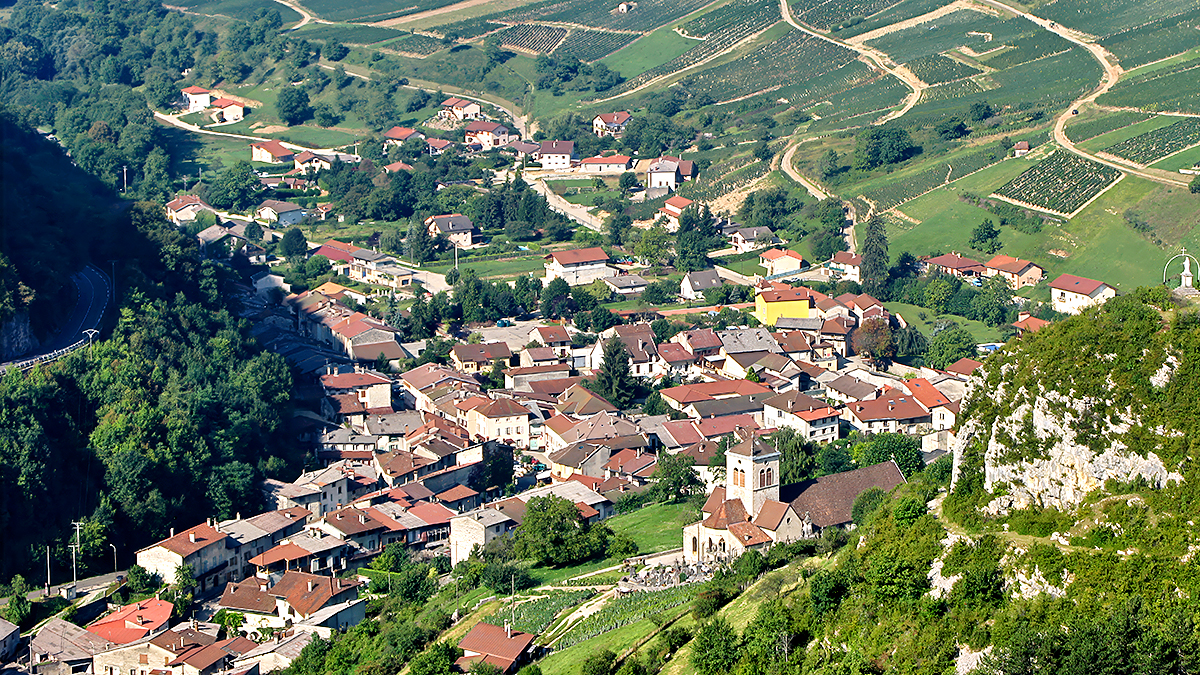

I recently spent time in five small parishes. What stayed with me was not the scenery but the way the Church functioned in these villages.
The priests were clearly the spiritual leaders. They celebrated the Eucharist, administered the sacraments, and guided the faithful.
Almost everything else that sustained parish life was carried out by the parish or village council.
Preparations for a jubilee celebration made this vivid. Weeks before the event, parishioners were organizing the liturgy, arranging decorations, coordinating food, and planning the gathering. Meetings were held, responsibilities assigned, and the work moved forward with quiet efficiency.
The priest was present and supportive, but the initiative came from the community.
This was not a special arrangement. It was the ordinary rhythm of parish life.
Shared responsibility as a way of life
Parish councils played an active and trusted role. Members oversaw finances, maintained church property, organized pastoral programs, and coordinated community activities. Practical decisions were discussed collectively and responsibilities distributed among volunteers.
The atmosphere was not one of delegation but of participation. Parishioners did not see themselves as helpers assisting the priest, they saw themselves as responsible members of the Church, entrusted with sustaining its life and mission.
This structure also created healthy clarity about the priest’s role. Rather than managing every practical detail, the priest could focus on celebrating the sacraments, preaching the Gospel, and accompanying people in their spiritual journeys.
A model of synodality
The experience resonates with the global conversation about synodality — a Church that “walks together,” shaped by listening, collaboration, and shared responsibility. In many parts of the world, this is still being explored through consultations and pastoral reflections.
In Mizoram, northeast India, it is simply how the Church lives.
Parish councils are not symbolic bodies. They function as active partners. Discussions about finances, events, and parish needs take place in an atmosphere of collective responsibility.
The laity feel genuine ownership — not in a possessive sense, but in the deeper sense of stewardship.
A lesson for the wider Church
In many parts of the world, parish life still revolves around the priest as central administrator of almost everything. This places an enormous burden on clergy and unintentionally limits lay members who are ready to contribute more.
The Mizoram model suggests another possibility.
When lay leadership is trusted, communities become more vibrant and resilient; people take responsibility because they know their contribution matters.
Freed from constant administrative demands, priests can devote more time to pastoral care and spiritual accompaniment.
While the global Church continues to reflect on what synodality means in practice; documents and assemblies clarify the vision, but the most convincing examples come from lived experience.
In the villages of Mizoram, clergy and laity work together with a clear sense of their distinct roles. Responsibility is shared. Participation is natural.

- John Singarayar SVD holds a doctorate in Anthropology. He is an author of several books and regularly contributes to academic conferences and publications focusing on sociology, anthropology, tribal studies, spirituality, and mission.