
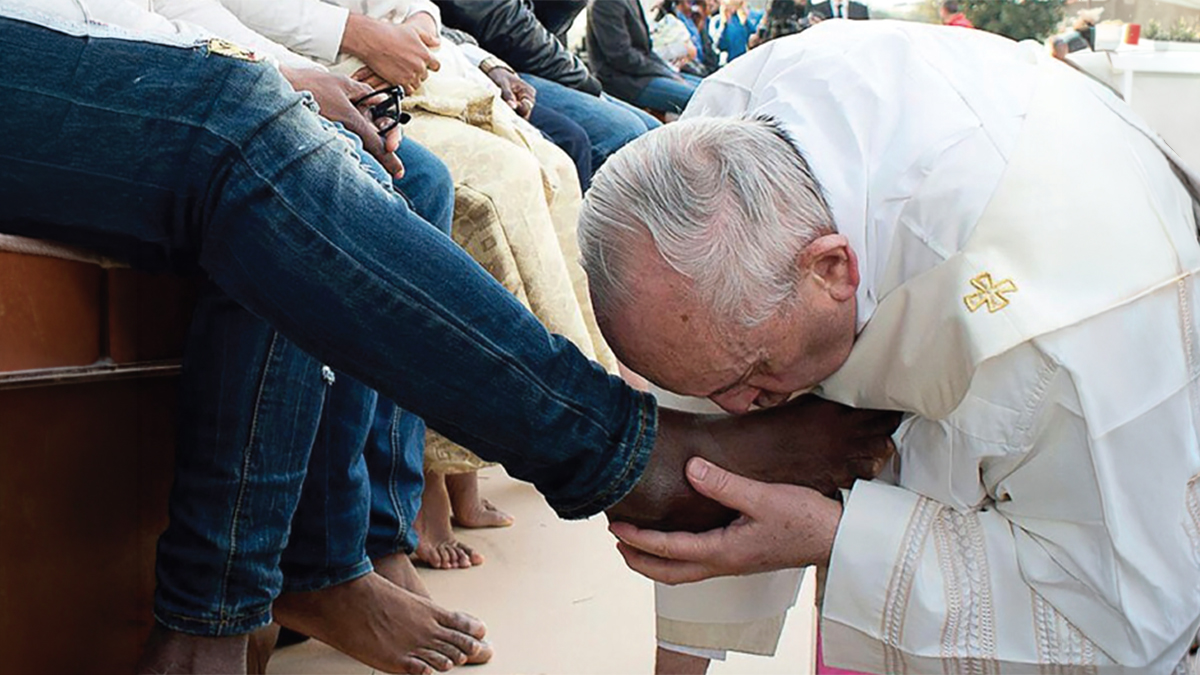

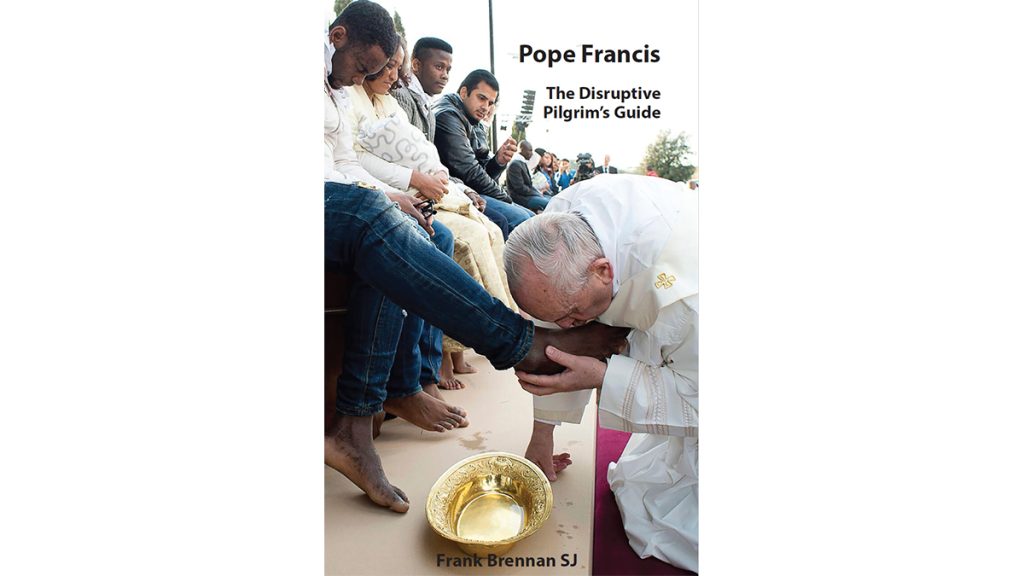
Frank Brennan’s Pope Francis: The Disruptive Pilgrim’s Guide is a concise yet rich reflection on the transformative — and often disruptive — papacy of Pope Francis.
At around 100 pages, the book is neither biography nor academic study.
Instead, it offers a series of thematic meditations shaped by Brennan’s Jesuit background, pastoral experience, and admiration for Francis’s vision of a Church grounded in mercy, justice, and spiritual courage.
In his introduction, Brennan notes that “Francis’ teachings can appeal to teachers of all faiths and none… It’s primarily for them that I write.”
The book succeeds on these terms, offering an accessible and hopeful account of the Francis era: warm, illuminating, and intentionally incomplete.
Jesuit spiritual roots
One of the book’s strengths is Brennan’s ability to situate Pope Francis within the Jesuit intellectual and spiritual tradition.
As a fellow Jesuit, he understands the instincts that shape the pontificate: discernment, compassion, engagement with the poor, and a willingness to challenge comfortable structures.
Francis appears as a “disruptive pilgrim,” unsettling complacency not to generate conflict but to renew the urgency of the Gospel.
Here, disruption becomes a pastoral tool — a summons to awaken the Church to injustice, ecological crisis, and human suffering.
This insider perspective provides nuance rarely found in political or journalistic treatments.
Brennan interprets Francis’s focus on mercy, synodality, and engagement with the peripheries as deeply rooted in Jesuit spirituality.
His account helps readers appreciate why Francis elevates listening, openness, and mission over defensiveness or retrenchment.
In this way, the book serves as a hermeneutical key to Francis’s pontificate.
Integral ecology mission
A substantial portion of the book explores Francis’s ecological commitments, especially as articulated in Laudato Si’.
Brennan emphasises the notion of “integral ecology” — the intertwined concern for the planet and the poor — as a central pillar of the Francis papacy.
He presents Francis’s environmental teachings not as political interventions but as spiritual calls to conversion, highlighting the moral dimensions of climate change, consumerism, and inequality.
Other chapters address family life, the complexities of modern relationships, and the need for pastoral realism rather than doctrinal rigidity.
Brennan aligns closely with Francis’s emphasis on accompaniment and compassion, and his treatment of synodality underscores the Pope’s effort to create a more participatory Church.
This is a Church attentive to the voices of women, laypeople, and communities long marginalised at institutional levels.
Encouraging active discipleship
These reflections make the book valuable for readers seeking a clear, accessible summary of Francis’s social and spiritual priorities.
Especially useful are the Questions for Reflection, written by Janeen Murphy, which conclude each chapter.
The Disruptive Pilgrim’s Guide plays a helpful role in the evolving landscape of global Catholicism in four respects.
First, it offers a concise orientation to the key themes of Francis’s papacy for lay readers, clergy, and those curious about contemporary Catholicism.
At a time when the Church faces ecological, social, institutional, and existential crises, a short, reflective guide grounded in spirituality yet alert to social reality is timely.
Second, it encourages active discipleship.
By framing the Church as a “pilgrim community,” Brennan invites Christians to see themselves not as passive recipients of doctrine but as companions on a shared journey.
This involves walking with the marginalised, caring for creation, engaging in social justice, promoting inclusion, and embracing synodality.
The emphasis resonates especially as the Church marks the sixtieth anniversary of the conclusion of Vatican II and its vision of the Church as “the pilgrim People of God.”
Third, written by a fellow Jesuit, the guide highlights how Jesuit spirituality and intellectual tradition have shaped Francis’ leadership and may influence the Church’s direction in the decades ahead.
And finally, even for sceptics, the book provides a useful conversation starter.
Its hopeful tone invites reflection on what kind of Church is possible: what reforms might be pursued, how to balance tradition and renewal, and how to navigate the tension between institutional stability and prophetic energy.
Roadmap for pilgrims
Pope Francis: The Disruptive Pilgrim’s Guide is best read as a thoughtful companion rather than a comprehensive biography.
It opens a door rather than attempting to map every room.
As an invitation to consider what the contemporary papacy might mean for ordinary believers, for the Church, and for the world, it is engaging and timely.
But as a definitive account of the Francis papacy — its achievements and its challenges — it intentionally limits its scope.
In his conclusion, Brennan offers a “roadmap for pilgrims”: a guide for Christians seeking to walk with a Church that is “an evangelising church committed to care for our common home by being fraternal and in solidarity with all, especially those on the frontiers and peripheries which are the privileged centres of grace.”
It is a generous contribution — and a welcome one.
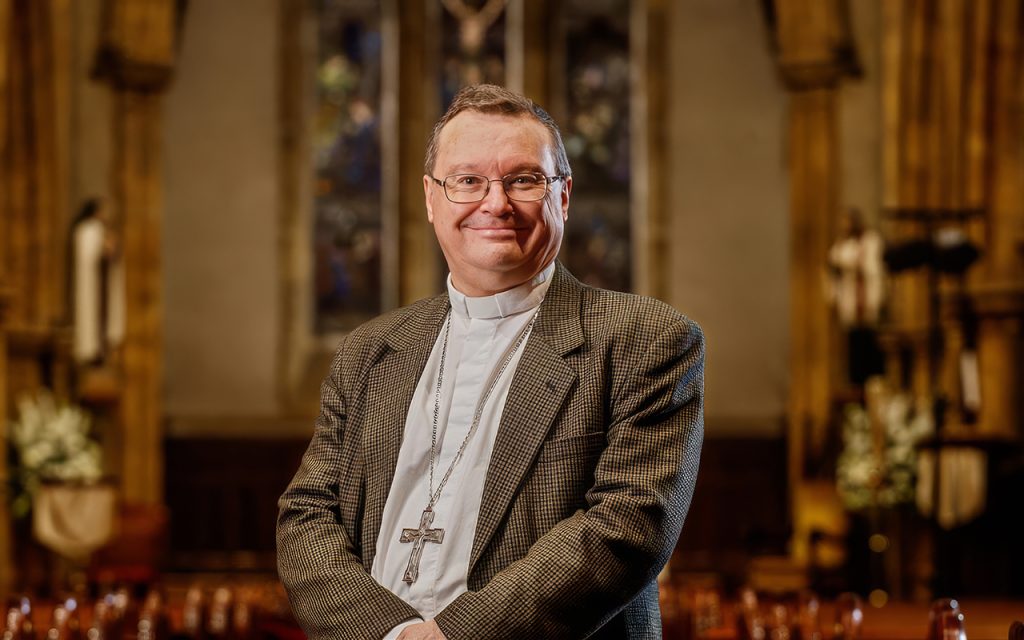
- Patrick O’Regan is Archbishop of Adelaide.
- First published in Eureka Street. Republished with permission.
- Buy Pope Francis: The Disruptive Pilgrim’s Guide, by Frank Brennan SJ