
Liturgy
-
Rethinking the God of our Liturgy
The way we describe God has practical consequences. Language and how we speak shape our theology, our worship, and ultimately the way we live our faith in community and in the world. Every phrase we use in prayer becomes an image of God that moulds our hearts, actions, and shared vision of grace.

-
Blessing love without betraying doctrine
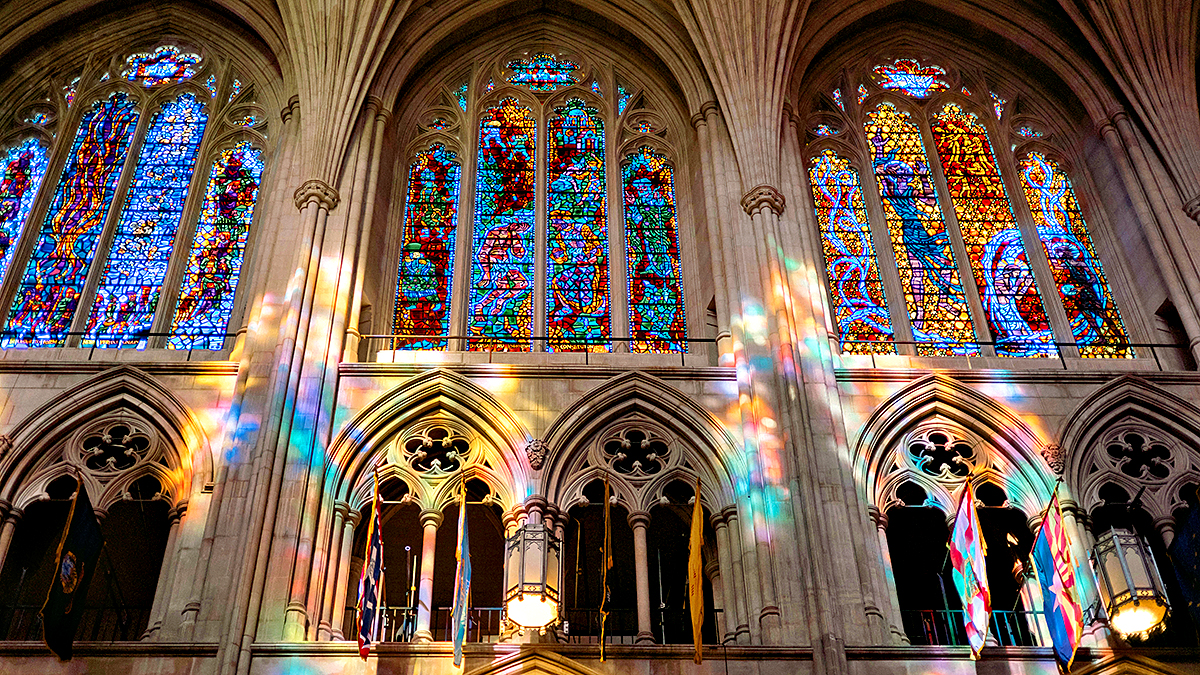
The Church faces a defining question: can it bless love without betraying doctrine? What began as pastoral care now challenges the very grammar of Catholic worship — for in the Church, what is blessed becomes a revelation of belief.
-
What if the Eucharist wasn’t about the priest?
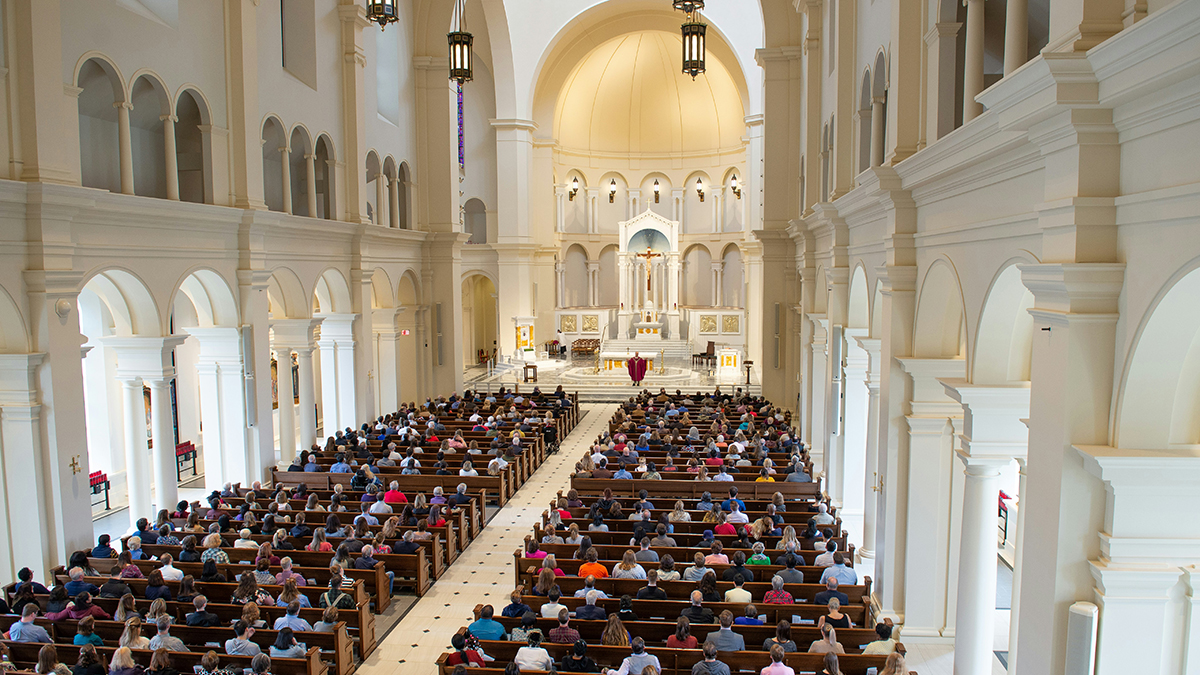
Strip away clericalism and you find a Eucharist rooted in community, not hierarchy. Augustine imagined a Church where the people gather as priests, not spectators. What if the priest presides by listening first—and the people claimed their power?
-
The room preaches louder than the ritual
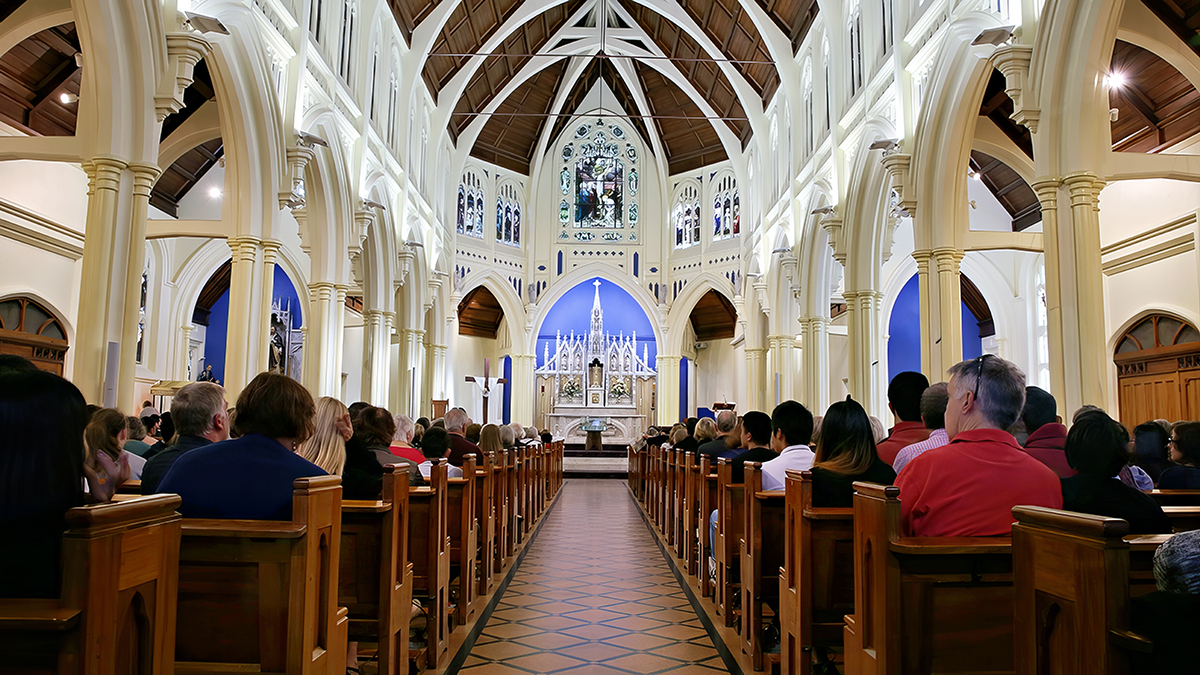
We are shaped by space. Decades of reflection have revealed the limits of the traditional church layout. The long, narrow design of ancient basilicas survives today, shaping behaviour and focus. Instead of gathering around a shared table, congregations sit like audiences at a concert.
-
Foot washing: not a mime, but a model for the Church
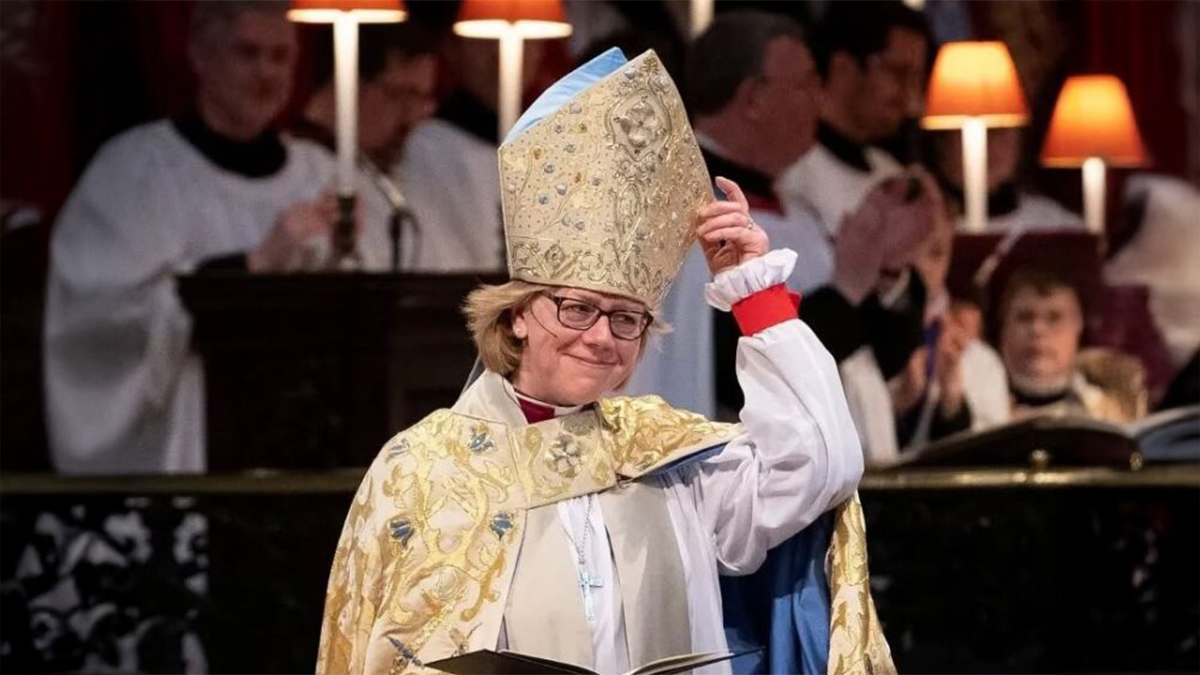
Sarah Mullally’s words challenge the Church to rediscover its radical core. By placing service before status, and compassion before ceremony, she offers a model of leadership that could yet transform the Church from within.
-
Reform without an imprimatur
Though it lacks official endorsement, the Bristol Text offers reassurance that reforms can be both faithful and lawful. Its authority rests on theologians and pastors who shaped it, rather than on hierarchical approval.
-
Improvised liturgies expose gaps in Pacific liturgical support
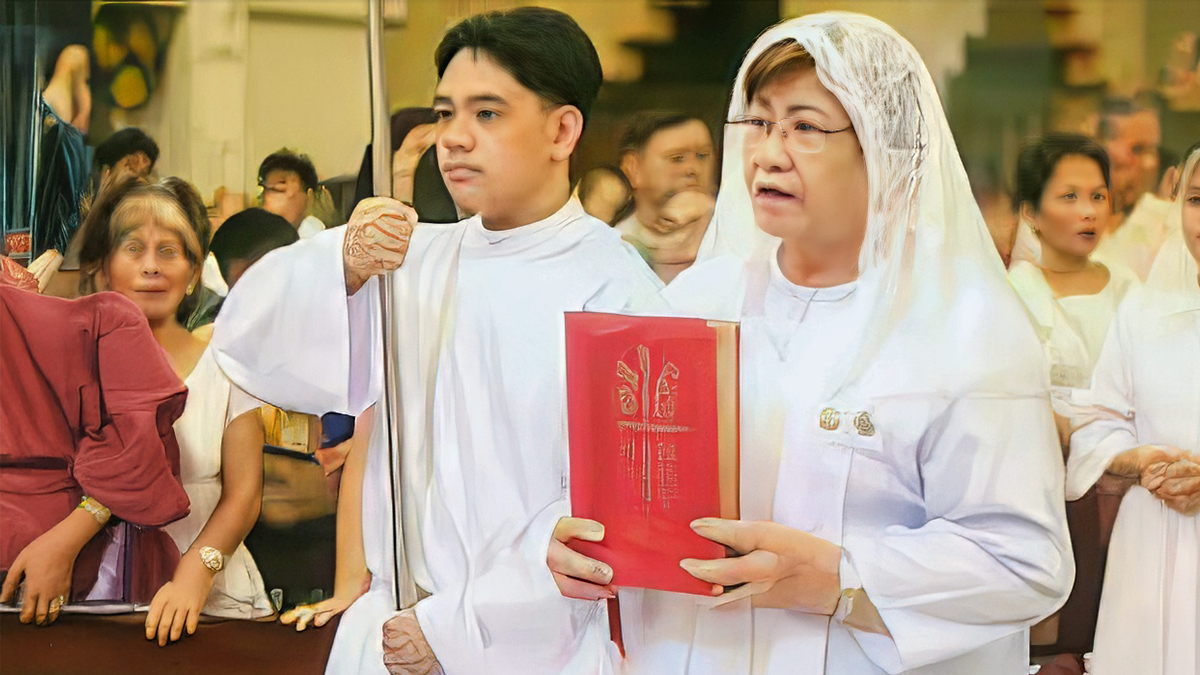
Without lectionaries, Pacific dioceses improvise. The Good News Bible is often the only vernacular scripture available. Readers rely on ordos from other countries for references, flipping ahead in their Bibles to find passages for proclamation at Mass, however fragmented they may be.
-
Reverence beyond lace veils
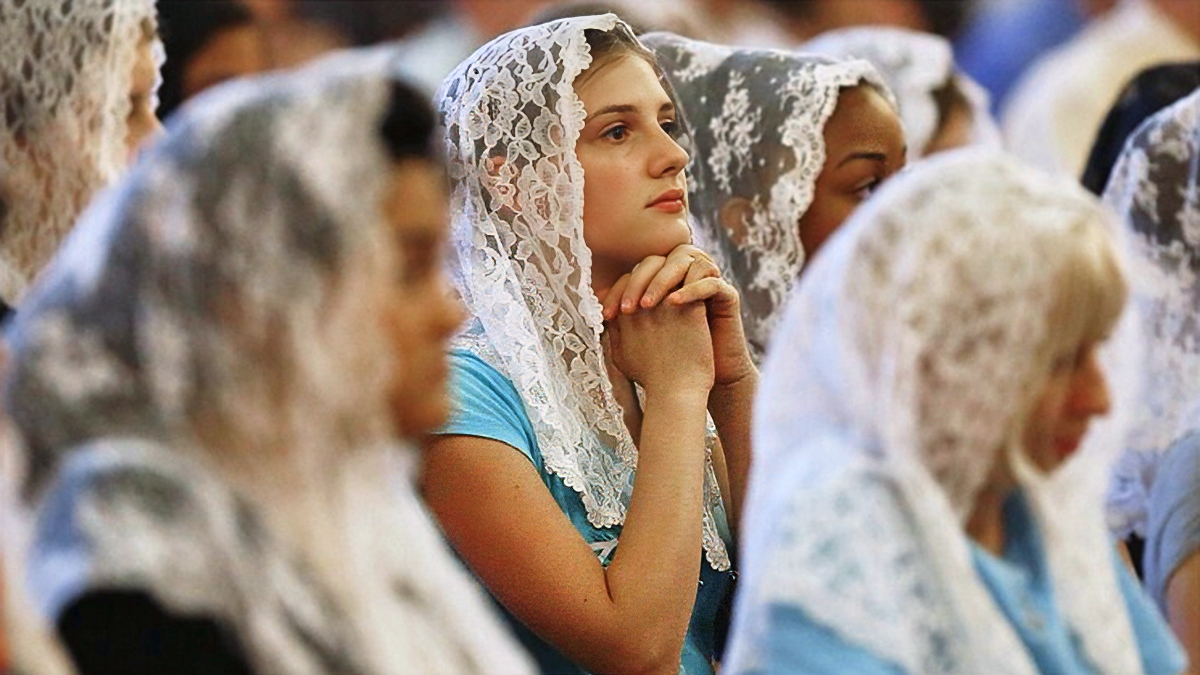
When framed as a return to “authentic” worship, mantillas risk creating a sense of spiritual elitism. Without intention, they can leave others feeling judged or less devout, shifting focus from conversion and holiness to superficial signs.
-
Liturgical antiquarianism by stealth?
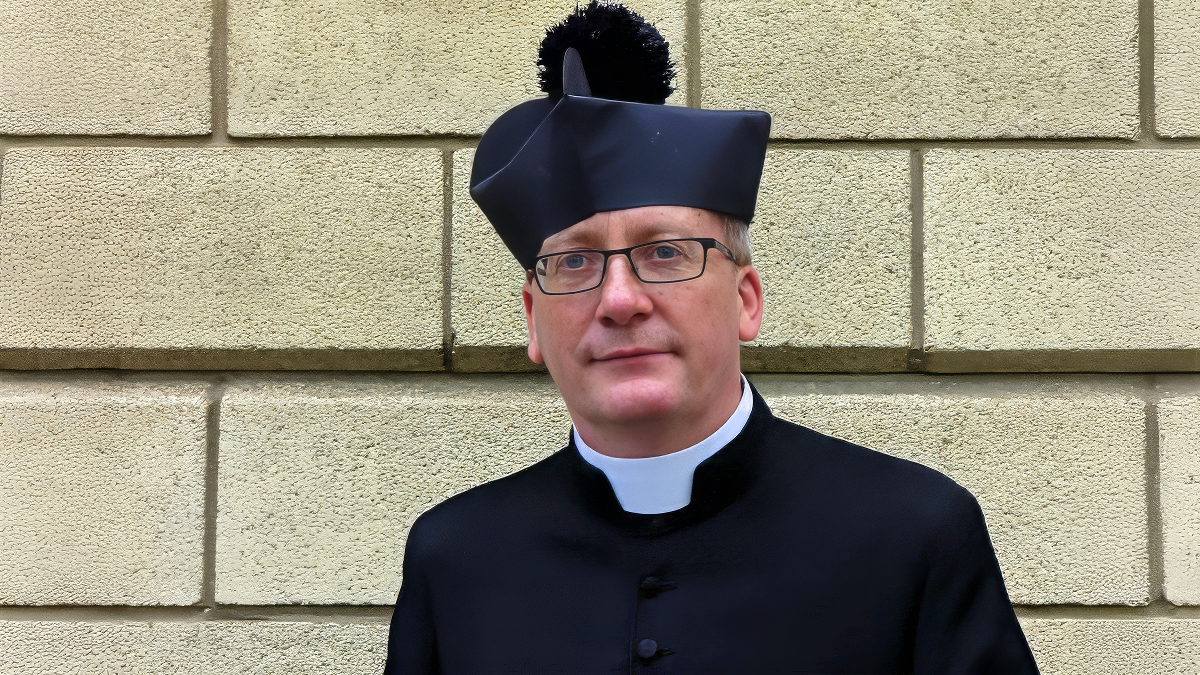
The Second Vatican Council’s Sacrosanctum Concilium urged renewal of the liturgy for active, conscious participation. It insisted that symbols be clear, direct, and meaningful. Yet in practice today, many rituals risk reversing that vision, introducing complexity where simplicity was intended, and creating distance rather than engagement.
-
New Lectionary promises inclusive language
A new Lectionary in Australia, Ireland, and New Zealand signifies a renewed commitment to ensure that Scripture is proclaimed with inclusivity, accessibility, and depth. It invites the faithful to recognise the living word as central to liturgy, identity, and mission.
Get Flashes of Insight
Donate
All services bringing Flashes of Insight are donated.
Significant costs, such as those associated with site hosting, site design, and email delivery, mount up.
Flashes of Insight will shortly look for donations.