
Flashes
-
God crashes Mary’s mundane Monday
When Gabriel appears to Mary, she is likely at her daily tasks, grinding grain, perhaps, or drawing water. God crashes into her mundane Monday. The Christmas story begins not in sacred spaces but in ordinary life—and that changes everything about how we understand faith.

-
Synodality — just a buzzword?
Eighty years ago, a Greek village demonstrated authentic synodality when its community chose their own presbyter after their priest died. The bishop listened, ordained the man, and a fruitful ministry flourished—a pattern rarely seen in today’s Catholic Church.

-
Culture shapes Christianity more than we admit
Stories continue to shape Christian faith because they move hearts into action. Jesus used vivid images that stirred people to rethink their lives and spark gratitude, courage and renewed purpose today.
-
What if love doesn’t look away?
Jacinda Ardern declared the Christchurch attacker nameless, embodying our desire to erase those who harm us. But if her compassionate “they are us” extends to victims, what happens when we apply that same lens to perpetrators? The question unsettles our moral categories profoundly.
-
The ideology of “the land” and its quiet power over politics and culture
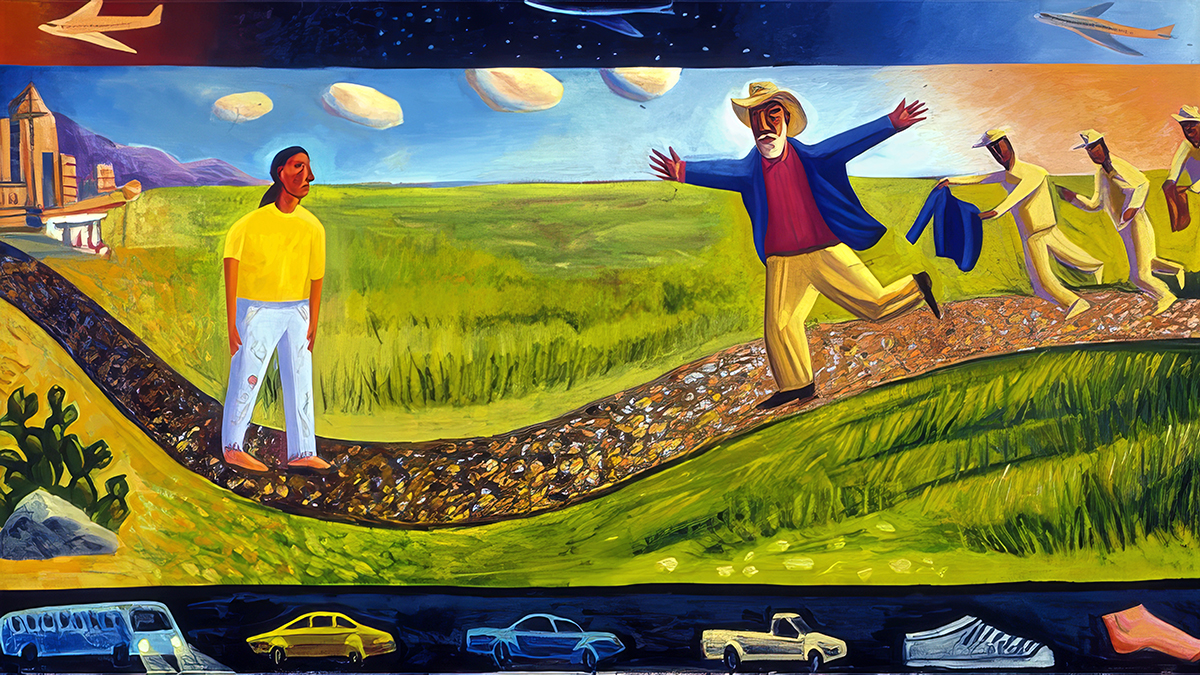
Land is more than physical territory. It holds emotion, memory, and meaning. Across cultures and histories, land becomes a source of identity, pride, and grief. Its importance transcends soil—it shapes who we are, where we belong, and how we understand others and ourselves.
-
Stop chasing status
Ever notice how competition creeps into everything? We copy people we admire—and then fight for the same spotlight. Philippians calls that out, and offers something better: trading rivalry for relationships built on care, not comparison.

-
From Gaza to Heaven: One church
The Communion of Saints is not a tidy diagram of heavenly categories, but a living, breathing mystery. The boundaries are porous. Those struggling in war zones or poverty share something real with the canonised. All are caught up in one story of grace.
-
New Catholicism: Local realities, global communion
A new kind of catholicism is emerging: global in scope, yet respectful of the local. It honours complexity, listens deeply, and resists easy answers. The challenge ahead is to hold unity and diversity in tension with grace and humility.

-
Migrant mothers at Christmas
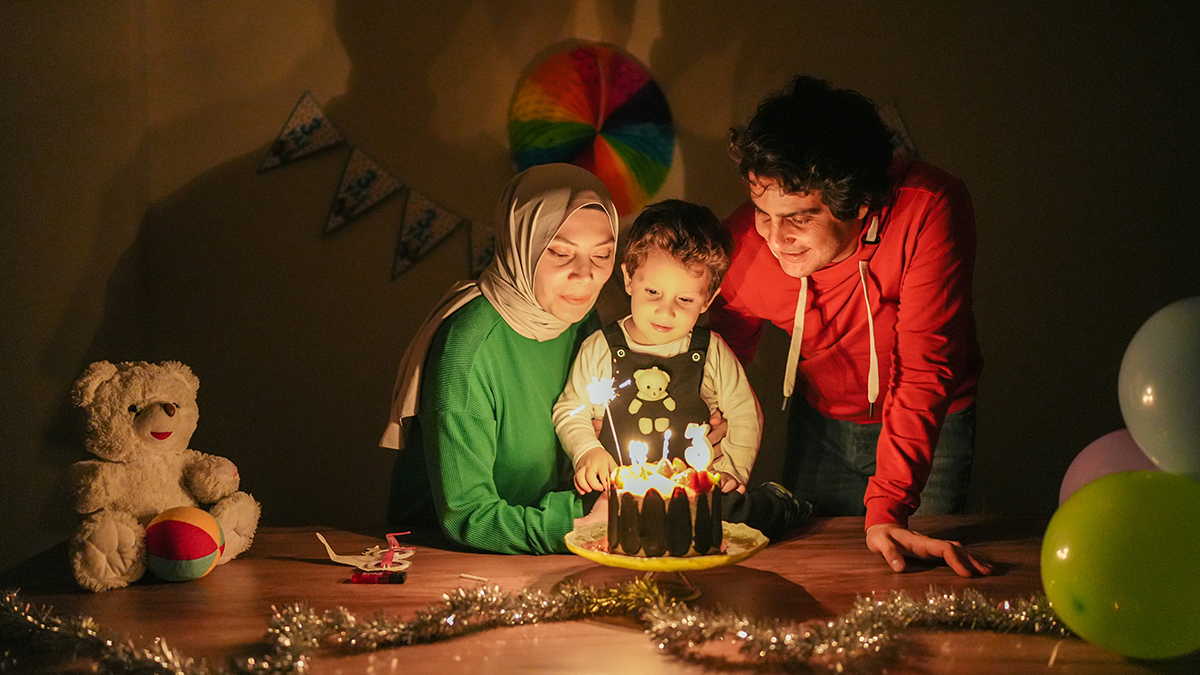
Seeing Jesus as a refugee reorients Christmas. His birth and life challenge us to resist dehumanisation, reject fear of the outsider, and embrace a theology of movement, mercy, reconciliation, and shared humanity. The Nativity becomes a call to justice, not just sentiment or celebration.
-
Church reform may come sooner
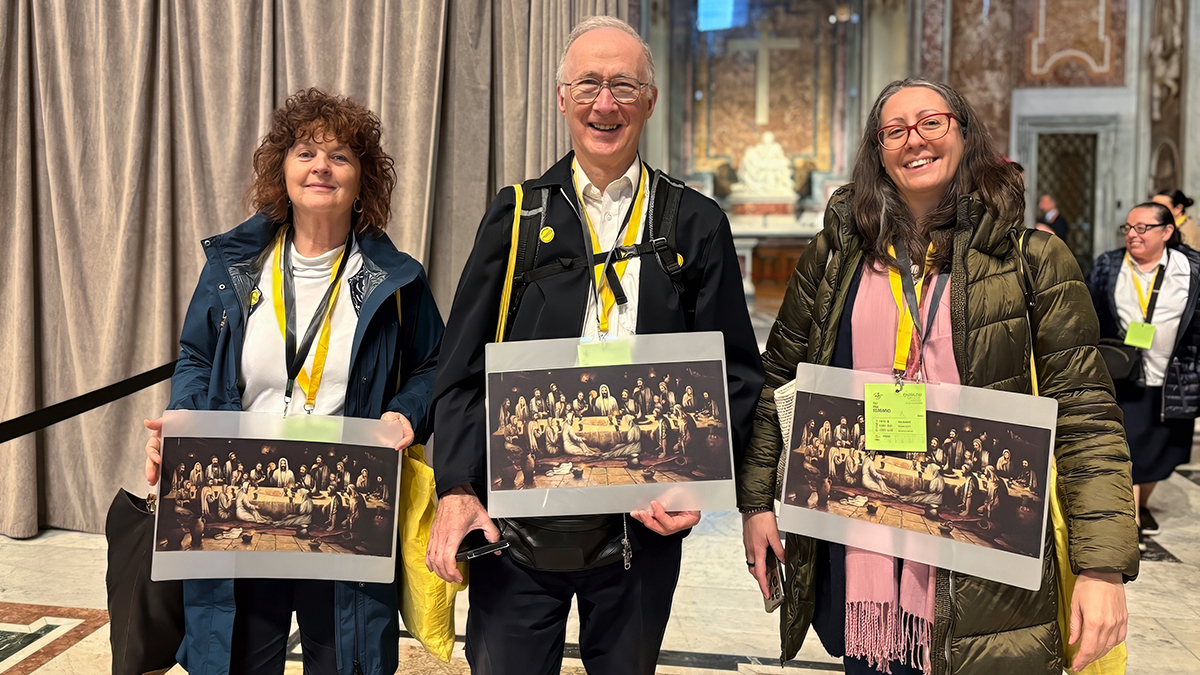
Shared Decision Making. Equality for All Genders. Optional Celibacy. Positive Sexual Morality. A Welcome for All. These five demands once branded us as troublemakers. Now they surface in every serious reform conversation worldwide. Prophetic voices don’t stay silent—they become the conversation.
Get Flashes of Insight
Donate
All services bringing Flashes of Insight are donated.
Significant costs, such as those associated with site hosting, site design, and email delivery, mount up.
Flashes of Insight will shortly look for donations.