

There is a quiet but powerful truth at the heart of every liturgy: language forms belonging.
The words we speak in prayer, proclamation, and song do not simply describe our faith — they shape who feels included within it.
Language can either open the door to encounter or quietly close it — a truth emerging not only from theological reflection, but from the lived experience of those who have felt marginalised or unable to fully participate.
The Synod on Synodality calls the Church to attend more deeply to all the baptised. When language becomes a barrier — especially for those who have experienced exclusion — it hinders participation at its most fundamental level.
This is not simply a question of “inclusive language” as a technical adjustment. It is a question of ecclesiology. Who is the liturgy for? Who is addressed? Who is able to recognise themselves within the prayer of the Church?
Language as pastoral question
Inclusive language has often been understood in limited ways — avoiding “men” to refer generically to all humanity, or adapting “brothers” to “brothers and sisters.” Language evolves, and with it, the way people hear what is proclaimed.
Do all who gather recognise themselves in texts that speak of “men”? If not, the Church must reflect on how its language is received, so the Gospel can be heard by each member as addressed to them personally.
Participation and belonging
Sacrosanctum Concilium 14 reminds us that all the baptised have the right to full, conscious, and active participation — not only in external roles, but in whether liturgical language enables them to hear themselves addressed by God.
Words signal who is recognised, who is valued, and who belongs. When language excludes, individuals may internalise disconnection — not only from the community, but from God.
Tradition and pastoral sensitivity
The Church approaches this with reverence for Scripture and liturgical tradition — not to abandon that richness, but to discern how it is received today.
The Australian Catholic Bishops Conference has encouraged language reflecting theological accuracy and pastoral sensitivity. The Directory for Masses with Children provides a precedent for adapting language to avoid “spiritual harm” — an insight inviting broader reflection across the Church.
Some will fear change risks undermining tradition, and these concerns deserve to be heard. Yet expanding the reach of our language does not diminish the tradition — it deepens its effectiveness.
A call to gather all
The question is not whether language matters — it clearly does. The question is whether we are willing to examine our language honestly, in light of the Gospel we proclaim.
If the liturgy is the action of the whole People of God, its language must gather that people, in all their diversity, into one voice of prayer. We must choose words that do what the liturgy itself is meant to do: to welcome, to heal, and to draw us more deeply into communion with God and one another.
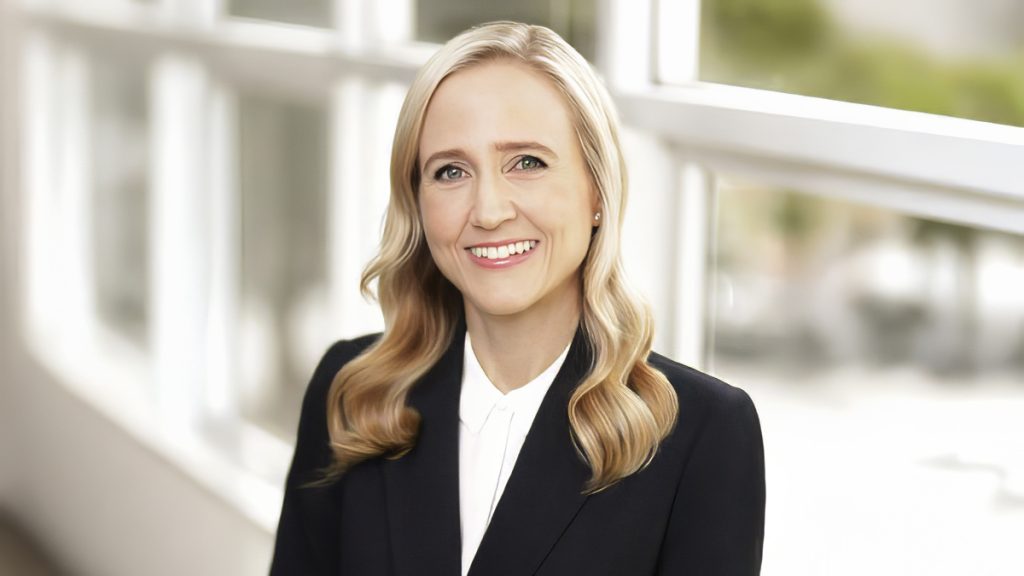
- Clare Schwantes holds a PhD from the University of Queensland and a Master of Theological Studies with a focus on Liturgy, in addition to Bachelor’s degrees in Education and Psychology. She also has diplomas in Editing and Publishing and is a graduate of the Australian Institute of Company Directors. She is the Director of the Archdiocesan Liturgy Office in Brisbane, Australia and Chair of the National Liturgical Council in Australia.
- Clare is the author of From Page to Proclamation – Interpreting Scripture in the Context of Liturgy (2024).