
This year, I’m struggling to fully enter into Lent’s penitential mood.
For the first time in more than a decade, I celebrated Chinese New Year (CNY) this year with my family in Singapore. CNY is a celebration that lasts fifteen days with beginning preparations days before. It is a season of reunions with family and friends, and a lot of feasting.
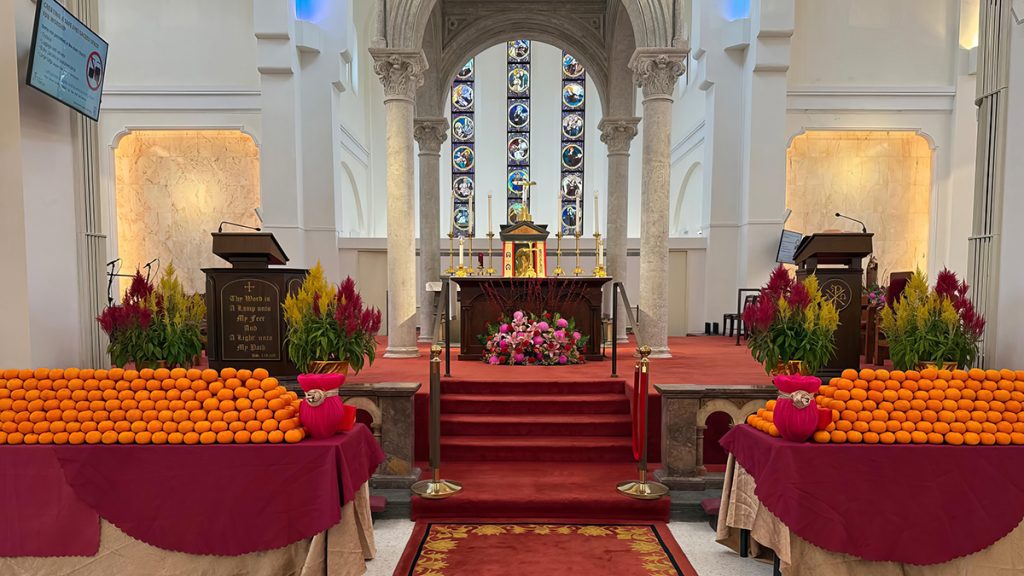
It so happened that Ash Wednesday fell on the second day of CNY. A dispensation from fasting and abstinence was granted to the faithful and the Mass I attended was full of families in festive clothing.
The priest acknowledged the juxtaposition between the mood of Lent and CNY but urged parishioners to see the overlap—Lent, too, can be joyful.
Ramadan as via media
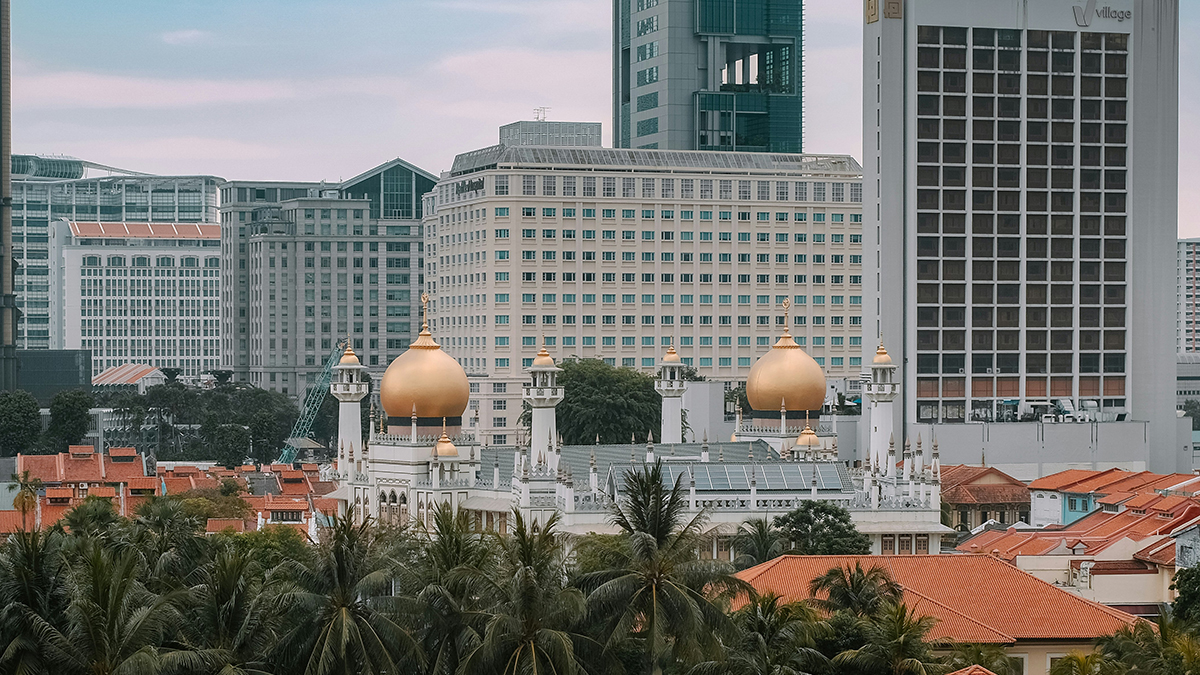
The beginning of Ramadan also shared a day and season with Lent this year. In Singapore, it is not just a season of fasting for Muslims, but additional feasting for all at Ramadan night bazaars or Pasar Malams.
Serendipitously, Ramadan, a joyful season of rewarding sacrifice where one fasts in the day and celebrates at night, became my via media.
When news breaks in
On the second Sunday of Lent and last Sunday of the CNY season, I awoke to the news of the Iranian strikes. My heart sank.
There was no mention of war during the homily, but the psalm cried out aptly, “Lord, let your mercy be on us, as we place our trust in you.”
CNY continued — I visited with dear friends and saw my family for a final dinner before departing the country.
It seemed that the liturgical calendar kept insisting on one key while life kept playing in several others simultaneously.
This, perhaps, is what it means to be Catholic in Singapore, a multireligious and multicultural country. One does not practice one’s faith in a sealed liturgical bubble. One does it in the midst of everything—Lent alongside CNY, Friday fasts alongside night bazaars, familiar rituals alongside breaking news.
What liturgy holds
Over 15 days, I brought festive joy, familial obligations, religious penitence, and hunger for justice and peace to the Eucharistic table. But the Eucharist did not resolve those tensions so much as receive them.
The same words of institution, the same gesture of breaking, the same invitation to take and eat did not flatten the juxtapositions into a single mood. It held them together.
Perhaps that is what liturgy is for—not to lift us out of the particular disorder of our lives, but to keep offering the same still point around which the multiple can gather and, for a moment, cohere with the paschal mystery.
This, so I may live a life in common with others more fully.
- Audrey Seah, Ph.D. is Assistant Professor of Religious Studies at College of the Holy Cross Worcester, Massachusetts where she teaches courses in global Catholicism, liturgy, and deaf and disability theology..