
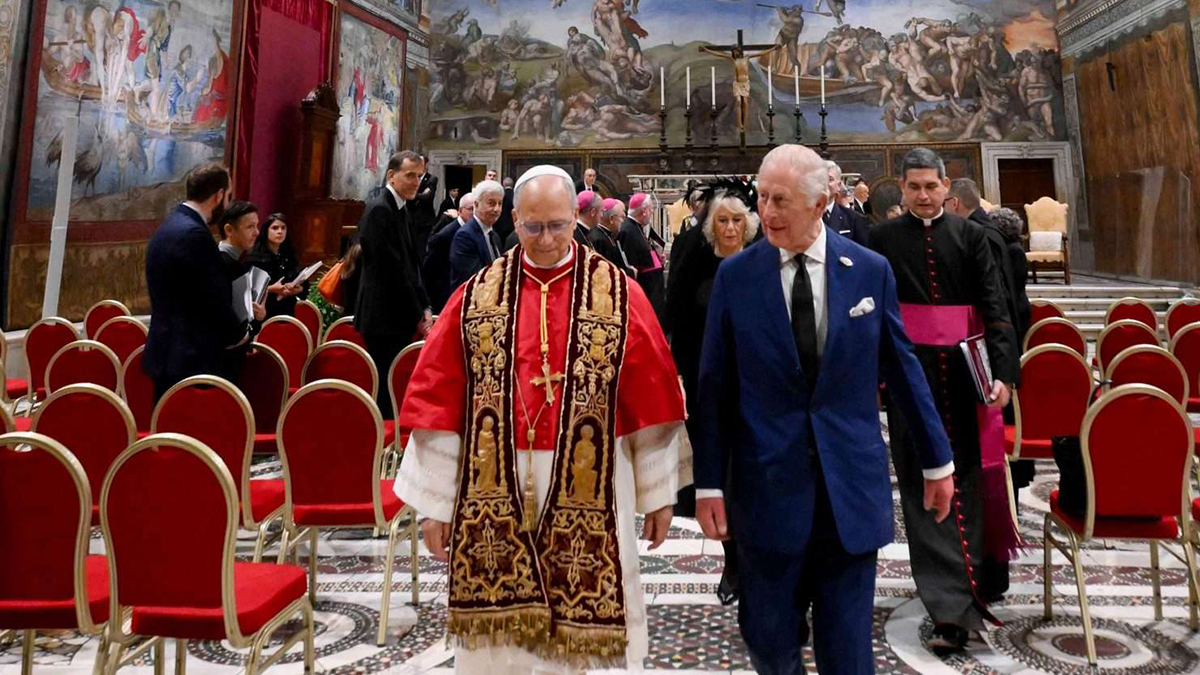
Vatican II changed the way the Church speaks.
The language found in the Council’s documents is striking. It is fundamentally different from the output of previous councils and may surprise anyone accustomed to modern corporate communication.
We are used to documents shaped by committees, polished by editors, and finalized by bureaucratic authorities. These texts usually follow a rigid, predictable formula.
A plea for conversion
In the Vatican II documents, however, you won’t find new canons or rules. There are no declarations of anathema or formal condemnations.
Instead, the Council uses a unique pastoral tone. These writings urge, exhort, and plea with people to convert their hearts, their thinking, and their behaviour.
At his General Audience on 7 January 2026, Pope Leo announced a new cycle of catechesis concentrated not only the teaching of Vatican II but of re-reading its documents.
At only four sides of A4, Nostra aetate is an easy document to read.
It is easy, too, to appreciate the balance the council struck — between its call to aggiornamento and its fidelity to existing doctrine.
The declaration outlines the Church’s approach to non-Christian religions and their members.
It begins with Hinduism and Buddhism, continues to praise the piety of Muslims, and then addresses the Church’s relationship with Jews, reminding us that Our Lady, Jesus, and the Apostles were all Jewish.
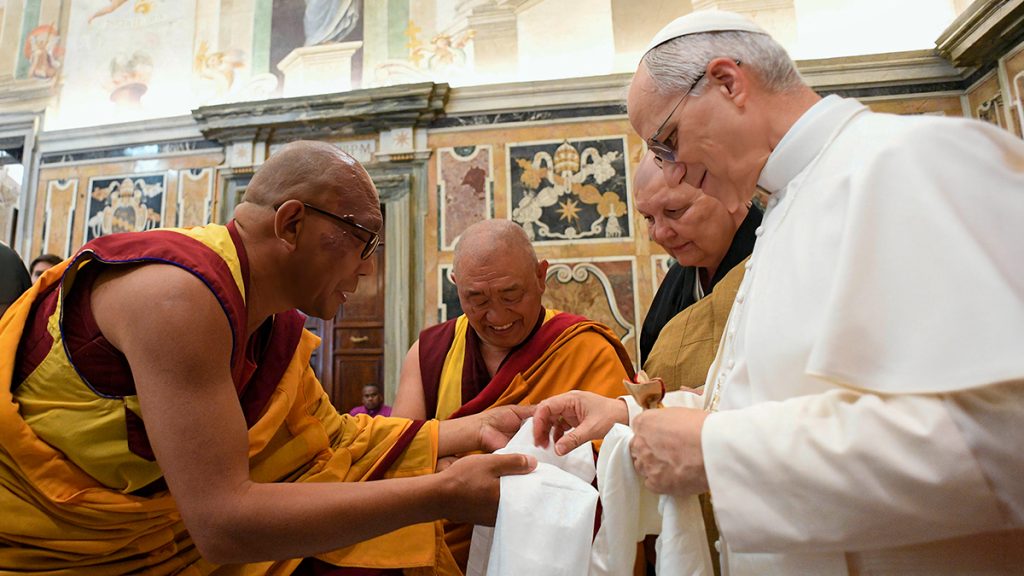
Warmth beyond the walls
What is remarkable about the document is its praise and warmth for non-Christian people of faith.
The Council acknowledges that there is truth and holiness outside the Church, while remaining clear from the start about its own mission.
The Church “…proclaims and is in duty bound to proclaim without fail, Christ who is the way, the truth and the life (Jn 1:6).
A council shaped by war
Prompted by John XXIII’s wartime experiences, and set less than 20 years after the Holocaust and the nuclear bombardment of Japan, the declaration emerged against the backdrop of the Cold War.
The Church was unequivocal. It reproves, “as foreign to the mind of Christ, any discrimination against people or any harassment of them on the basis of their race, color, condition in life or religion.”
The Council called all the faithful to “conduct themselves well among the Gentiles” (1 Pet 2:12) and, as far as possible, to be at peace with all people (see Rom 12:18) — to be “true daughters and sons of the Father who is in heaven (see Mt 5:45).”2
Read it yourself
By reading Nostra aetate ourselves, we hear the call plainly: turn from hatred, misunderstanding, and exclusion.
Return to Scripture and understand that kindness toward fellow people of faith is neither relativism nor a betrayal of Church teaching.
The council faced its own uncertain times. So do we.

- Rebecca Shaw is a chartered environmentalist who works at The Just Housing Group in the social housing sector in the UK. Currently carrying out post-graduate studies in philosophy, theology and religions at the University of Lucerne, her studies are informed by her interests in interfaith relations, inclusion and church history.