
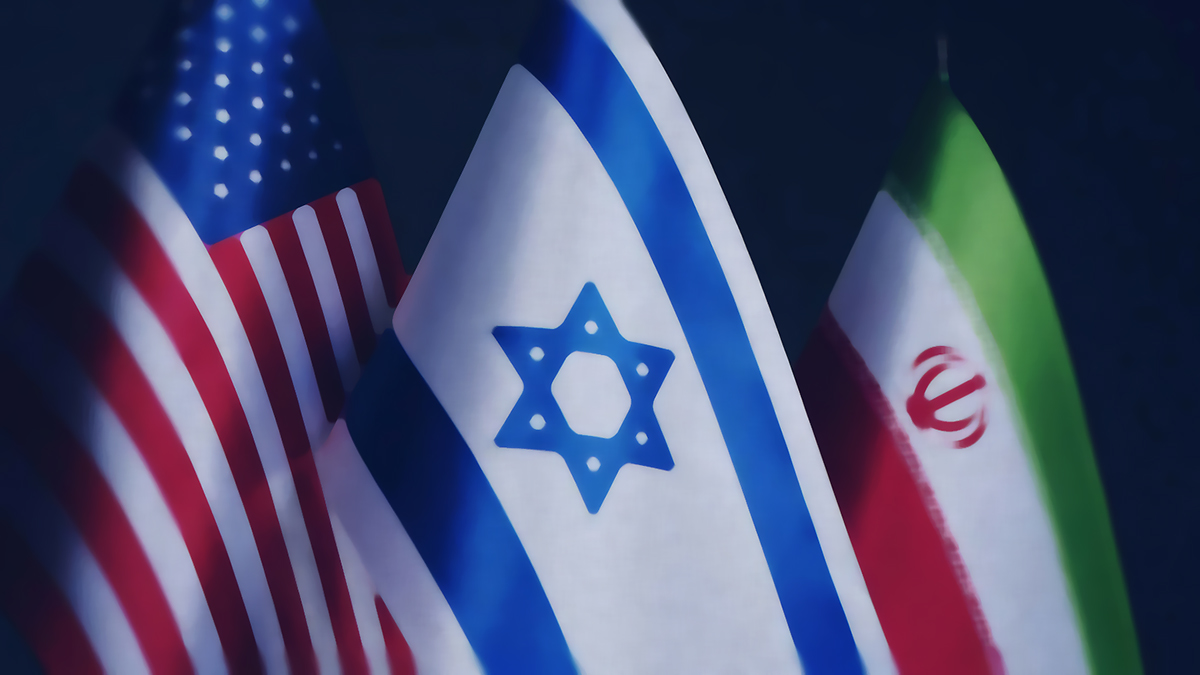

Pope Leo has returned regularly to the Israel-US-Iran War in the Middle East in his public statements. He commented almost immediately after both Israel and the USA began their strikes on Iran and has maintained his focus on the topic.
The Pope clearly prefers peace and diplomacy to war and aggression — his language about abandoning “projects of death” is particularly vivid.
But it remains unclear whether his rebukes of political leaders are pointed (towards Trump, Netanyahu, or the Iranians) or apply generally to all of them.
A question of interpretation
Such a lack of clarity stems from the general nature of papal statements and from his own personal style. Others are left free to interpret his statements as they wish.
For some, “reading between the lines” means understanding Leo’s stance as a rebuke primarily of the Trump administration. John Grosso in the National Catholic Reporter, after pointing to Leo’s embrace by numerous Trump critics, concluded, however, that this was a misinterpretation.
Though the critics “could not be blamed,” Leo’s style was too nuanced for simplistic interpretation. Grosso also pointed to right-wing criticisms that Leo was insufficiently supportive of Trump’s war.
Later, following Leo’s call for Christian leaders to examine their consciences during Lent — especially if they are waging war — Justin McLellan in the National Catholic Reporter concluded that: “It’s hard not to read in Leo’s comments a subtle rebuke of the US president and his aides, many of whom are Catholic.”
What is Leo trying to do?
So, what is the Pope trying to do? There are various suggestions.
One is that he has in mind a longer-term diplomatic role for himself as a bridge between nations, thus taking care to maintain the trust of all sides in these conflicts. It seems unlikely, however, that the main protagonists will call on his services.
Another is that it exemplifies how Leo sees his role as empowering other church leaders to take stronger moral positions.
McLellan gives several examples of members of the College of Cardinals taking up this stronger role, not just McElroy and Cupich from the USA, but Battaglia of Naples and David, president of the Bishops’ Conference of the Philippines.
A third suggestion is that Leo is measured in all that he does, and that these statements are just another example. He suggests prayers for disarmament and peace during March and examination of conscience during Lent.
Yet the more common role, that adopted by the Australian Catholic Bishops Conference, is to consciously “echo” the Pope rather than take the opportunity to expand on his words in any more pointed way.
The challenge of being heard
Whether speaking through Cardinals or calling for Lenten reflection, the deeper question is who Leo’s words are actually reaching.
If Leo is primarily speaking to the Catholic world, then such calls may have some impact. If the target is the secular mainstream media, then they rarely cut through.
In the world of “real politic” where thousands are dying, the mainstream media affords headlines to more pointed moral and ethical judgements rather than what they see as limp moral equivalence. That is a challenge for all church leaders.
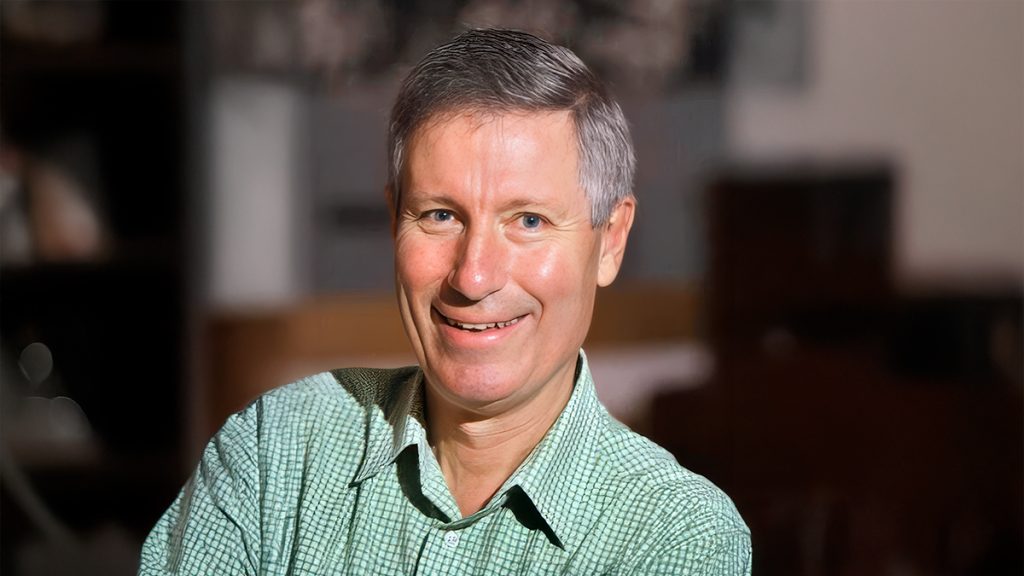
- John Warhurst is Emeritus Professor of Political Science at the Australian National University in Canberra.