
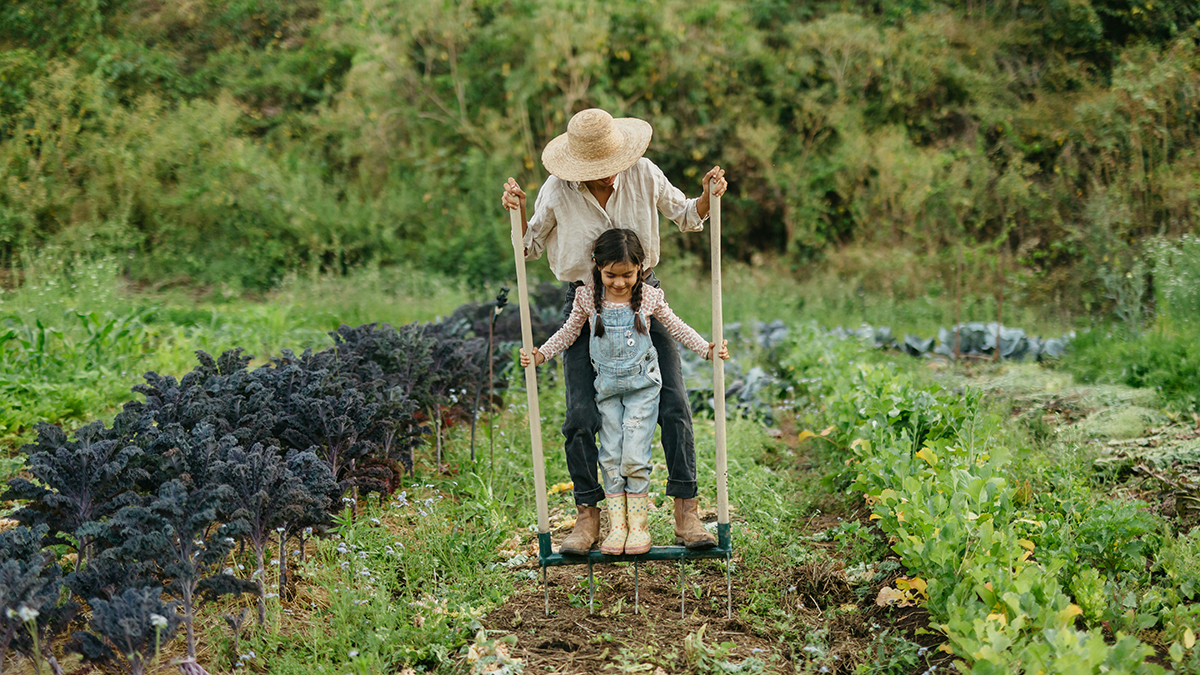

Across the world, land is never just terrain. It carries emotional weight, spiritual depth, and layers of memory that far exceed its physical form.
In political debates—especially those shaped by migration, conflict, or historical grievance—land becomes charged with meanings that move well beyond geography.
This is made more complex by colonisation, the unjust displacement or transportation of peoples. Land is never neutral; it is personal, cultural, commercial, and political.
Land and belonging
Land becomes a symbol of belonging, entitlement, sacred duty, sacred violence, and loss when it becomes intertwined with identity.
Communities begin to see in it the reflections of themselves: their origins, their struggles, their hopes.
The idea of “the land”, then, is not innocent. It can easily become an ideology—a framework that defines who belongs and who does not, who claims history and who is written out of it.
Throughout human history, people have imagined land as promised, ancestral, or divinely sanctioned. These visions shape political movements and national narratives, often blurring the line between memory and myth.
Beneath many of today’s conflicts lie stories about land—stories that define who is rooted in a place, who is deemed foreign, and who must be displaced for a claim to appear complete.
Possession and identity
When territory is tied to identity, possession becomes moral proof of legitimacy. Arguments about “return”, “inheritance”, or “restoration” take on a “sacred dimension” that no longer relies solely on politics or law.
In this space, “the land” becomes a symbol of survival itself. To hold it is to endure. To lose it can feel like erasure.
Such narratives can profoundly shape policy and public sentiment. They justify displacement as recovery, occupation as healing, or exclusion as necessary protection.
Violence becomes reframed as an act of preservation—an attempt to reclaim what is believed to have been taken.
In these moments, the land becomes both a source of pride and a vessel for deep wounds.
Memory and imagination
Culture expresses this thinking in literature, film, and music, which often portray land as moral or emotional spaces—sites of longing, purity, betrayal, or grief.
Artistic traditions commemorate those who defended their homelands or mourn those who were evicted from them.
Even contemporary media frequently treats damaged or contested land as a witness to suffering, a terrain that holds memory in ways people struggle to articulate.
The difficulty of reconciliation
Perhaps the most enduring consequence of this worldview is the difficulty it creates for reconciliation. When land is seen as sacred or inseparable from identity, compromise becomes nearly impossible.
Borders harden not only on maps but in imaginations. Conflicts persist across generations, carried by stories passed down as warnings or promises.
In extreme cases, entire communities are displaced or destroyed in the name of preserving a perceived purity of place.
Ultimately, “the land” shapes how societies understand themselves and others. It can nurture belonging, but it can just as easily fuel exclusion.
It can anchor memory, but it can also transform history into grievance.
And when it becomes a central pillar of political identity, the struggle over land can eclipse other forms of coexistence—turning even small territories into arenas for existential fear and enduring conflict.
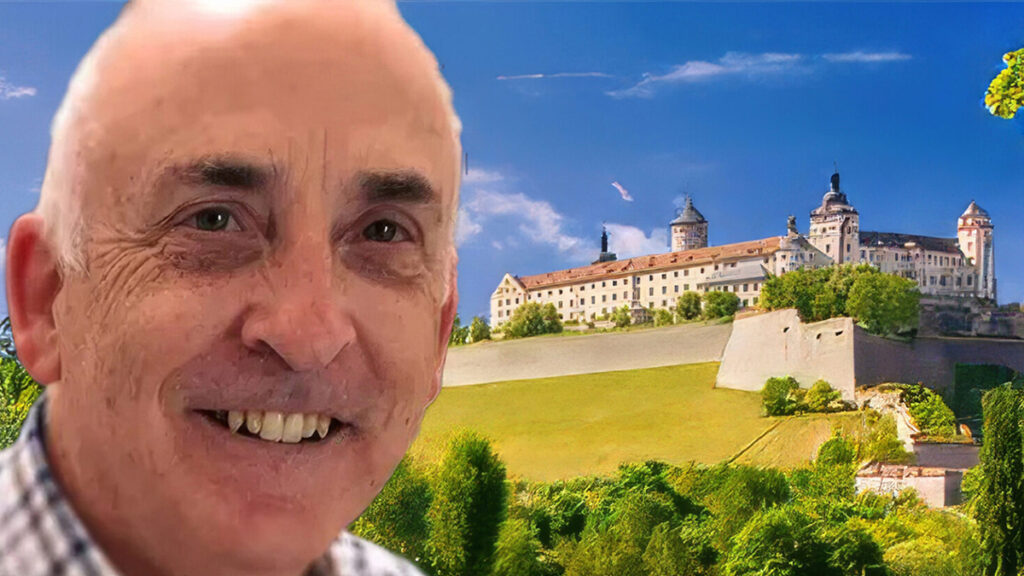
- Dr Joe Grayland is an assistant lecturer in the Department of Liturgy at the University of Wuerzburg (Germany). He his a priest of the Catholic Diocese of Palmerston North, New Zealand.