
JP Grayland
-
The way the Church becomes Church
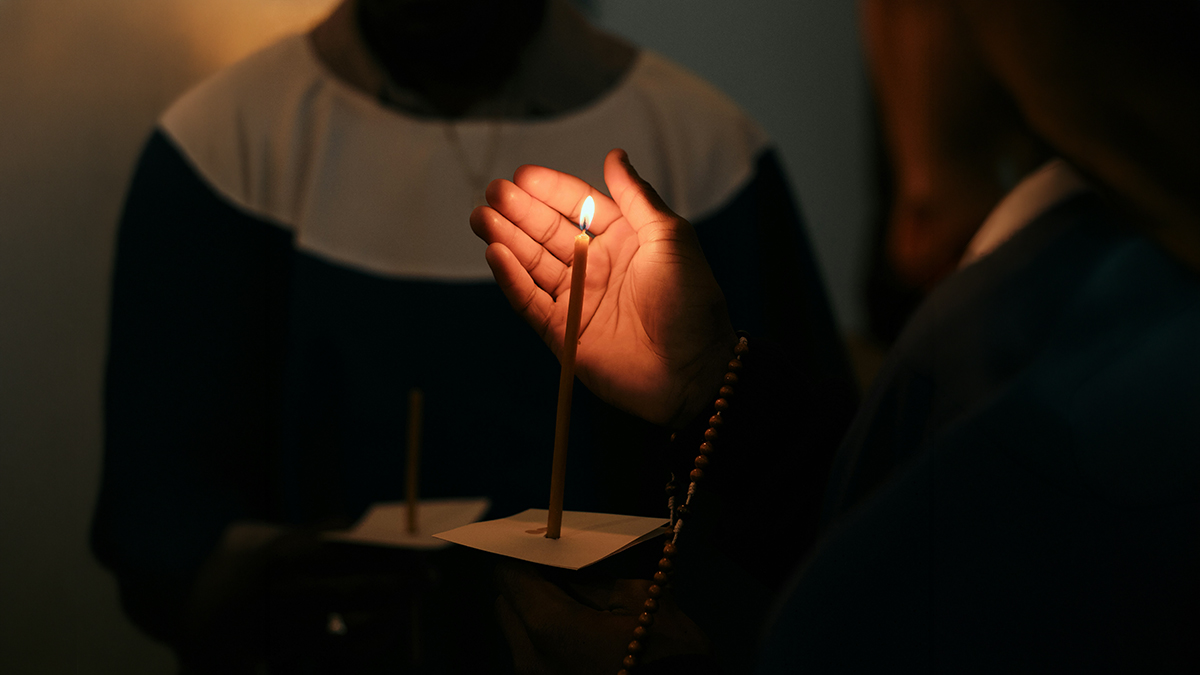
Courses and timetables treat initiation as a service delivered, like getting the washing machine repaired. Accompaniment, not added hurdles, offers a gentler, more personal road into the life of the Church.
-
What’s a Cathedral for?
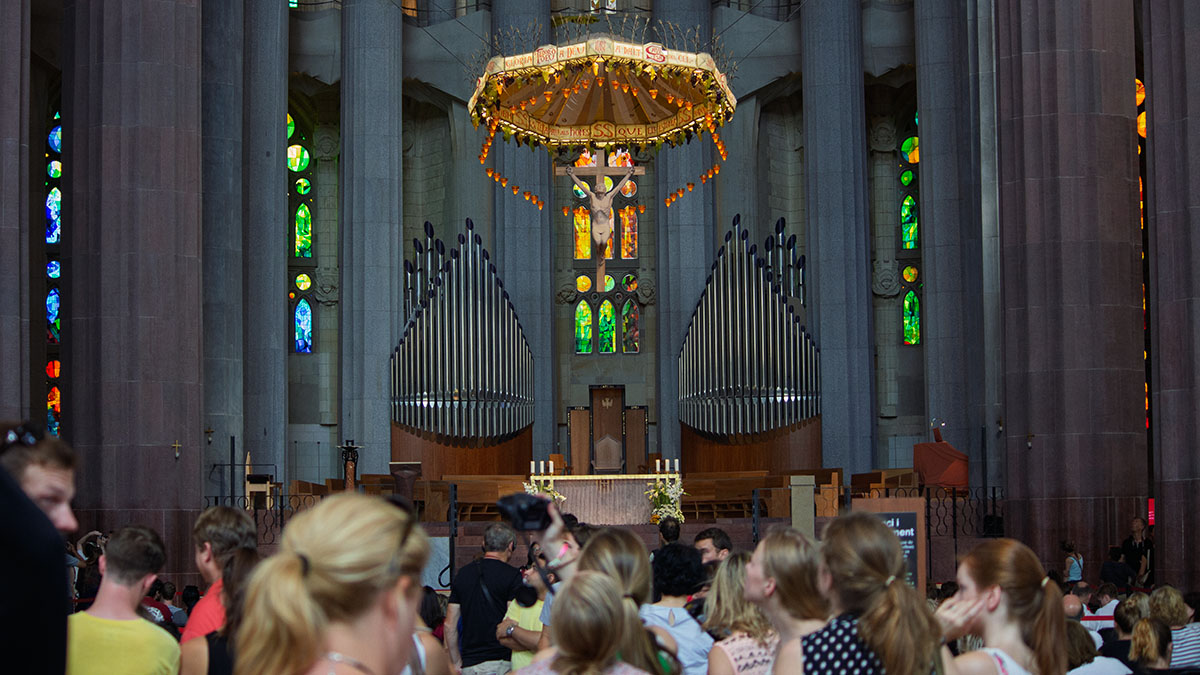
Understanding a cathedral without grasping worship is like admiring an airport without understanding flight or its purpose.
-
The Smartphone has remade the papacy
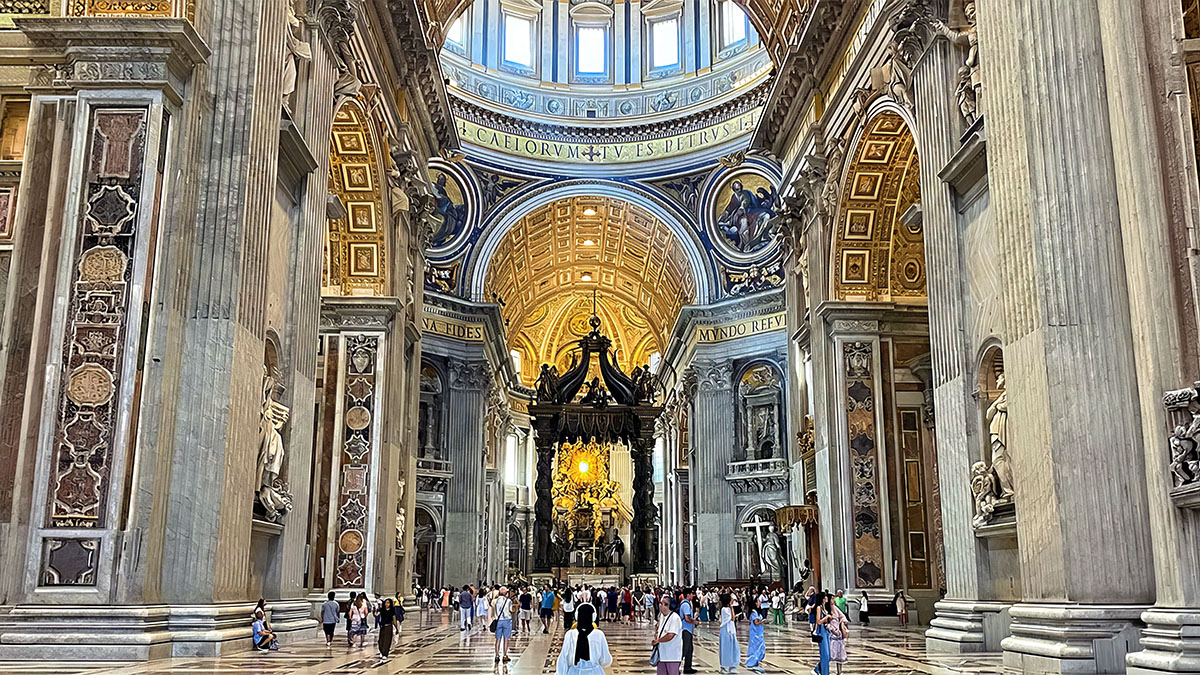
Technology is transforming the papacy from a distant office into the Vatican in my top pocket.
-
The little man on the cross!
Meaning and comprehension aren’t the same thing, and sacred spaces may work on people long before belief does.

-
Authentic tradition, authentic voices and religious nationalism
This essay critically examines how appeals to “authentic tradition” in contemporary theological discourse function as tools in ongoing religious and political conflicts. It argues that these appeals often oversimplify complex theological realities, shaping public perception and influencing authority within the Church and society.

-
Doing theology in times of political crisis
The collision of political sovereignty and ecclesial authority exposes fundamental questions of legitimacy within a fragmented normative landscape. Appeals to tradition obscure irreducible complexity, crisis functions as rhetorical apparatus, and the inexorable dynamics of imperial decline reconfigure authority itself—compelling discernment between authentic moral critique and instrumentalised religion.

-
When religion detaches from reason it becomes dangerous
A church whose symbols and leaders serve political interests loses its function as a unifying sign: structural resistance, not verbal disagreement, is the appropriate response.
-
Restorationism divides
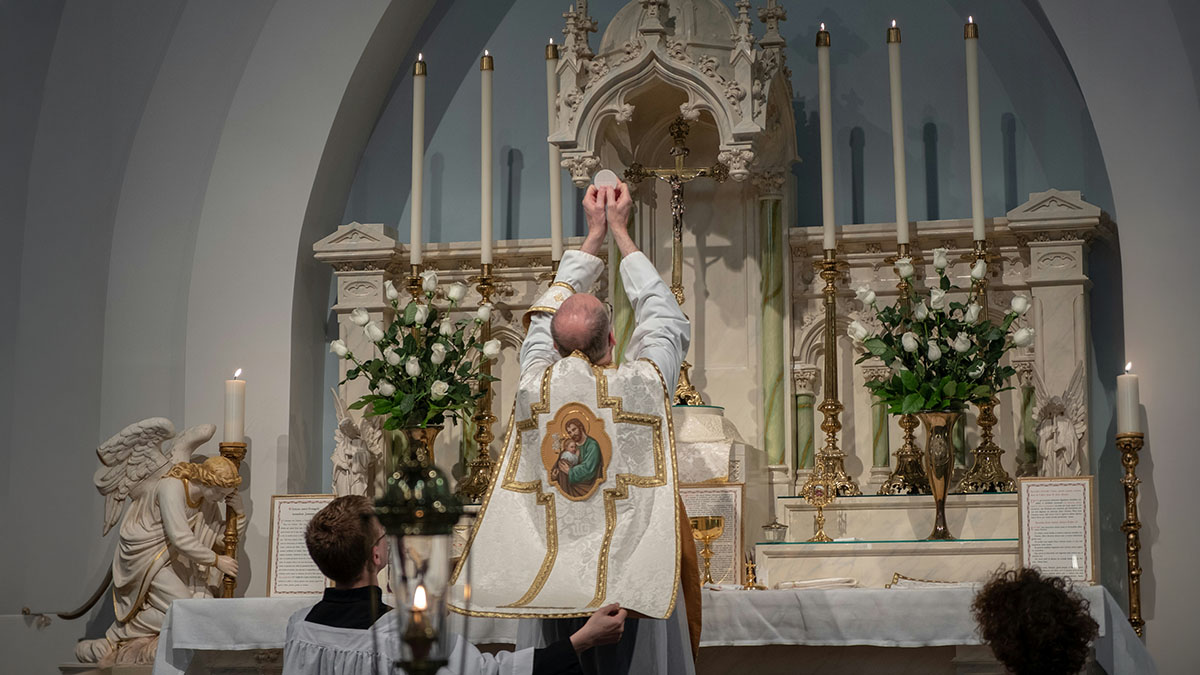
Restorationism promises clarity where ambiguity dominates. It offers programmes, pipelines, and reforms. But the Gospel teaches something scandalous: God scatters seed recklessly, trusts mixed fields, and reserves judgment for harvest. Control is not the language of faith.
-
A convergence of realism and Catholic social teaching
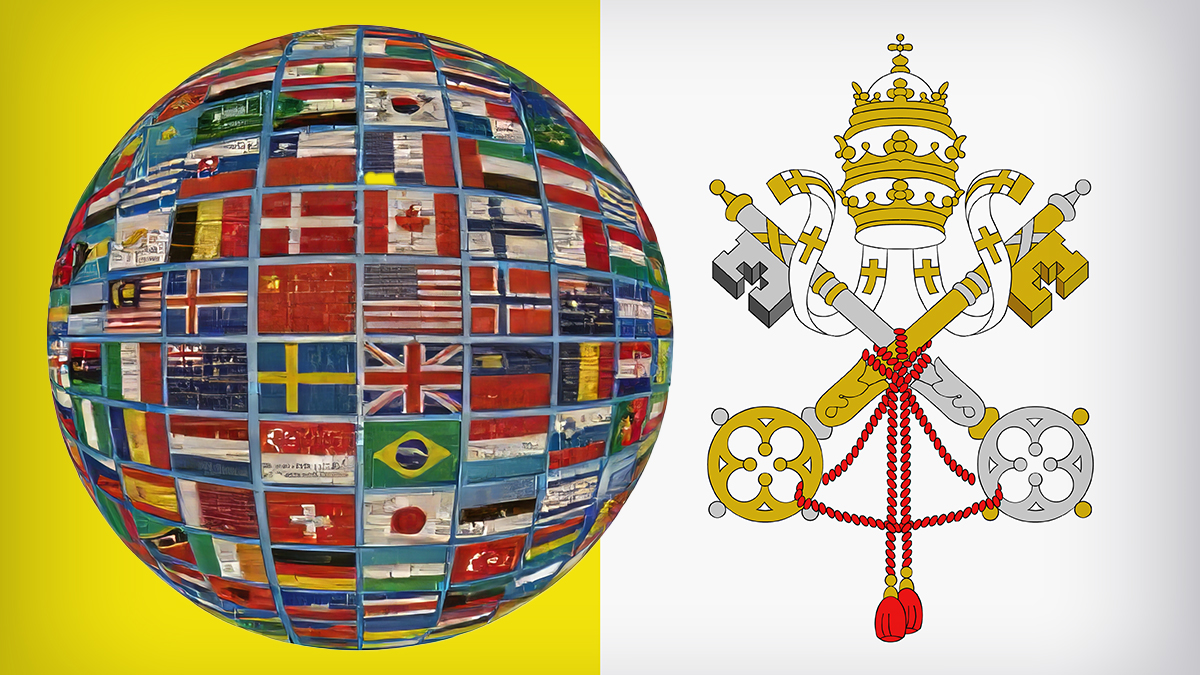
Mark Carney’s Davos speech reveals a striking alignment between modern geopolitical strategy and Catholic social teaching. As the post-Cold War order fractures, the need for systems that protect human dignity and promote the common good has never been more urgent or necessary.
-
The ideology of “the land” and its quiet power over politics and culture
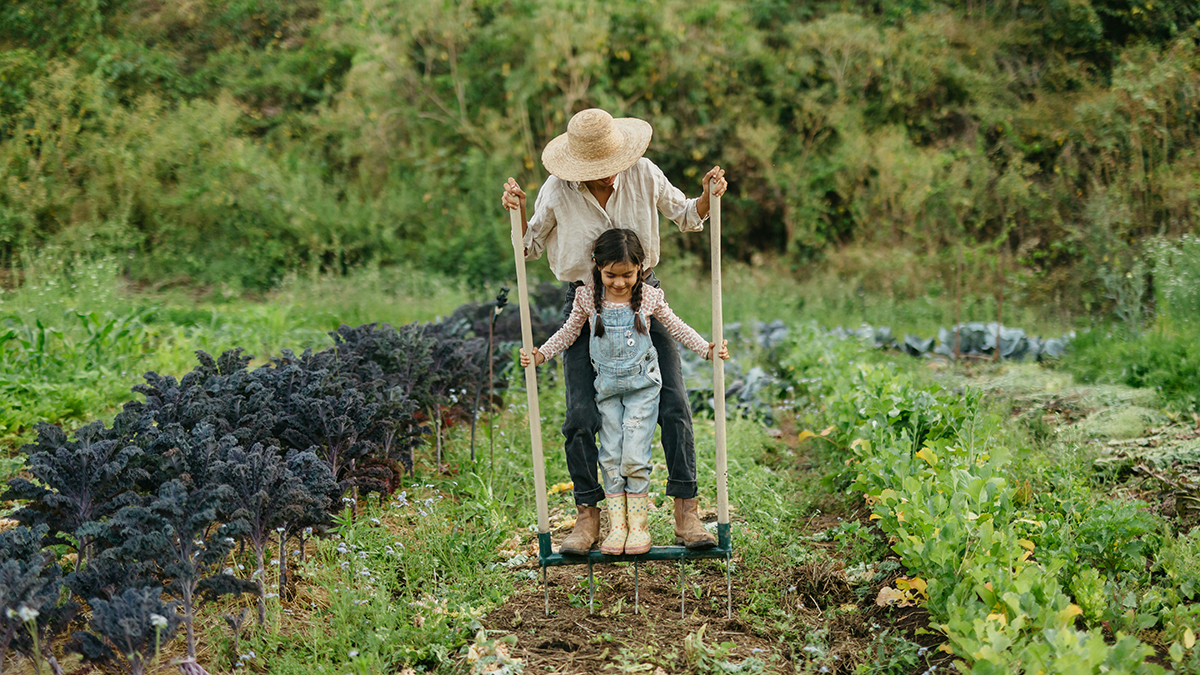
Land is more than physical territory. It holds emotion, memory, and meaning. Across cultures and histories, land becomes a source of identity, pride, and grief. Its importance transcends soil—it shapes who we are, where we belong, and how we understand others and ourselves.
Get Flashes of Insight
Flash Focal Points
AI Baptism Church History Church Reform Clericalism Communications & Media Compassion Culture Culture & Faith Deacons Digital Age Discipleship Eucharist Faith Faith Dialogue Gender Equality Hope Human Dignity Inclusion Justice Lay Leadership Leadership LGBTQ+ Liturgy Ministry Mission Peace Politics Pope Francis Pope Leo XIII Poverty Prayer Priesthood Social Justice Synodality Theology Tradition Vatican Vatican II War Women Women's Ordination Women Deacons Women in Ministry Youth
Donate
All services bringing Flashes of Insight are donated.
Significant costs, such as those associated with site hosting, site design, and email delivery, mount up.
Flashes of Insight will shortly look for donations.