
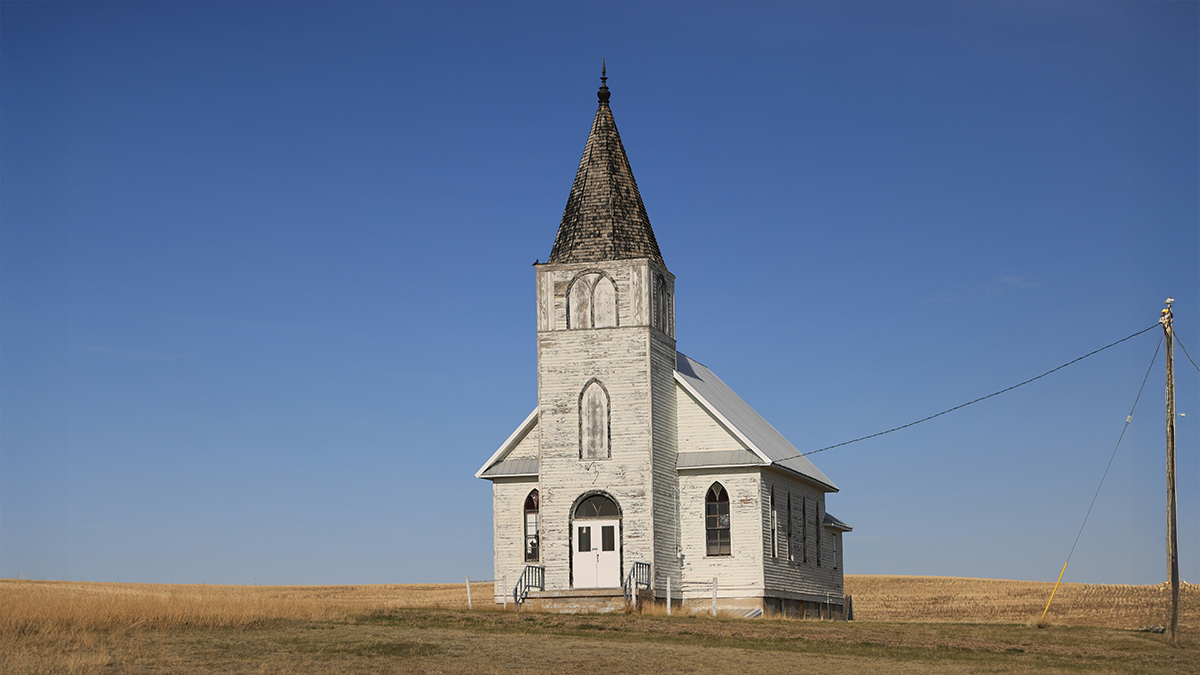

For centuries, the Catholic parish was the heartbeat of the Church’s presence in the world, a neighbourhood community anchored by a priest, a steeple, and Sunday Mass.
It was built for stability, clarity, and belonging in a world where faith, geography, and culture aligned.
But that world no longer exists.
Trying to preserve this Tridentine parish model, born of a different age, is like repairing a ship that no longer sails the waters it was made for.
The limits of maintenance
Across the Western world, parishes are shrinking, merging, or closing. Attendance drops, vocations dwindle, and the once-solid walls of Catholic identity crumble.
The default response has been to consolidate and economise: to stretch one priest across four parishes, to cut programs, to rent halls. But these are survival tactics, not a vision.
We are trying to save a structure rather than asking what it was meant to serve.
The parish was never an end in itself.
The parish is a mission outpost, meant to form disciples, celebrate sacraments, and send people into the world as witnesses of Christ.
The problem is not simply fewer priests or fewer parishioners; it’s that our model still assumes a world that no longer exists — a world of stable neighbourhoods, inherited faith, and a priest in every town.
That system cannot bear the weight of today’s mobility, pluralism, and disaffection.
Signs of renewal
Across the Church, flashes of a new future are already visible. Some dioceses are moving from “maintenance to mission,” reorienting every ministry toward evangelisation and discipleship.
Others are experimenting with family-of-parishes models that share leadership and resources. In mission territories and rural areas, lay-led communities are flourishing where priests cannot be resident.
Digital platforms have opened new spaces for prayer, catechesis, and community, connecting seekers who may never walk through a church door.
These emerging models share a conviction: the future parish must be less about boundaries, less about bureaucracy, and more about belonging and mission.
The Church is learning to breathe again through collaboration, creativity, and the courage to let go of what no longer serves.
From institution to movement
If the parish is to be renewed, the diocesan structure must change as well. Dioceses were designed to manage clergy and territory, not to animate networks of missionary disciples.
Leadership will need to become synodal and collaborative, empowering lay ministers, deacons, and teams that work across parish lines.
The diocesan office of the future will look less like an administrative headquarters and more like a centre for formation, innovation, and support.
The real question, then, is not “How can we save the parish?” but “What is the parish for?” When that question is answered with honesty, structures will follow.
The parish of tomorrow will likely be smaller, more flexible, and more relational, a community of communities rooted in the Eucharist yet reaching far beyond its walls.
This is not a time for nostalgia. It is a moment of creative fidelity: to rediscover the missionary heart of the Church that the Tridentine model once carried, and to set it free in forms that can breathe in the twenty-first century.
- Dr Joe Grayland is an assistant lecturer in the Department of Liturgy at the University of Wuerzburg (Germany). He is a priest of the Catholic Diocese of Palmerston North, New Zealand.