
Liturgy
-
Juxtapositions: Lent, liturgy and life
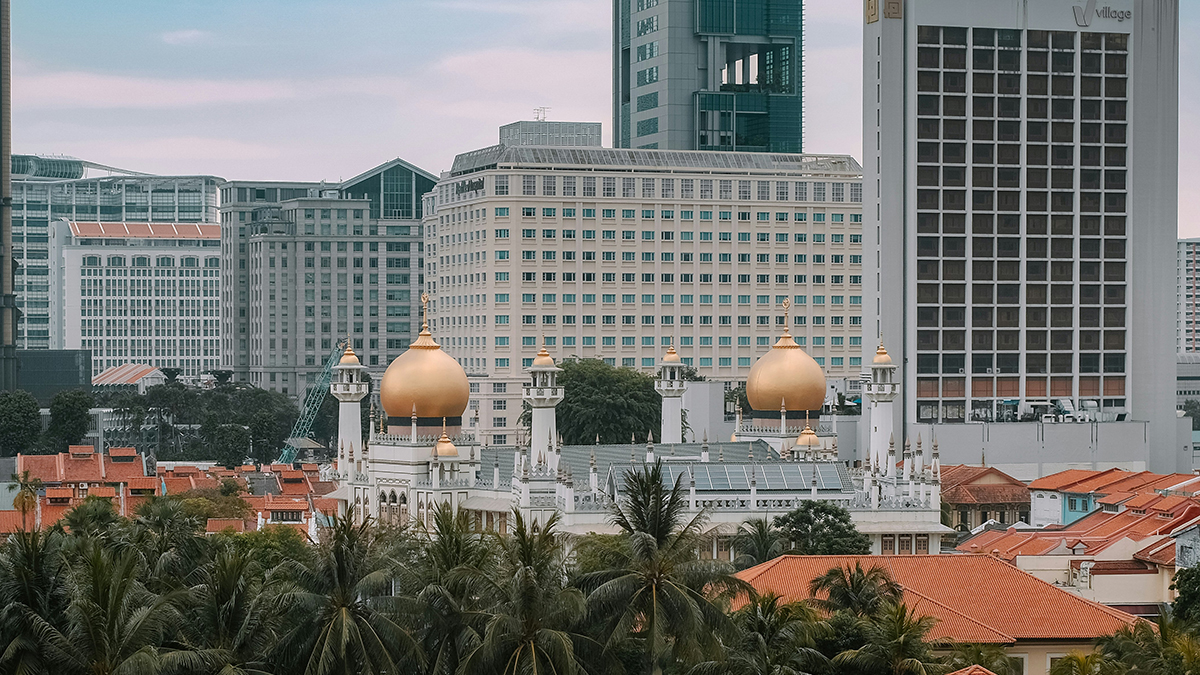
From Ash Wednesday dispensations to Ramadan night bazaars and Iranian strike headlines, this Lent in Singapore refused to stay tidy. Fifteen days of overlapping seasons, obligations, and emotions came to the liturgy — and were held together without any of them being erased.
-
From the Upper Room to the rule book
When “rubrical correctness” becomes the ultimate measure of faith, the celebrating Body of Christ is left behind. We examine the rise of self-appointed observers and their impact on the local parish experience.

-
Restorationism divides
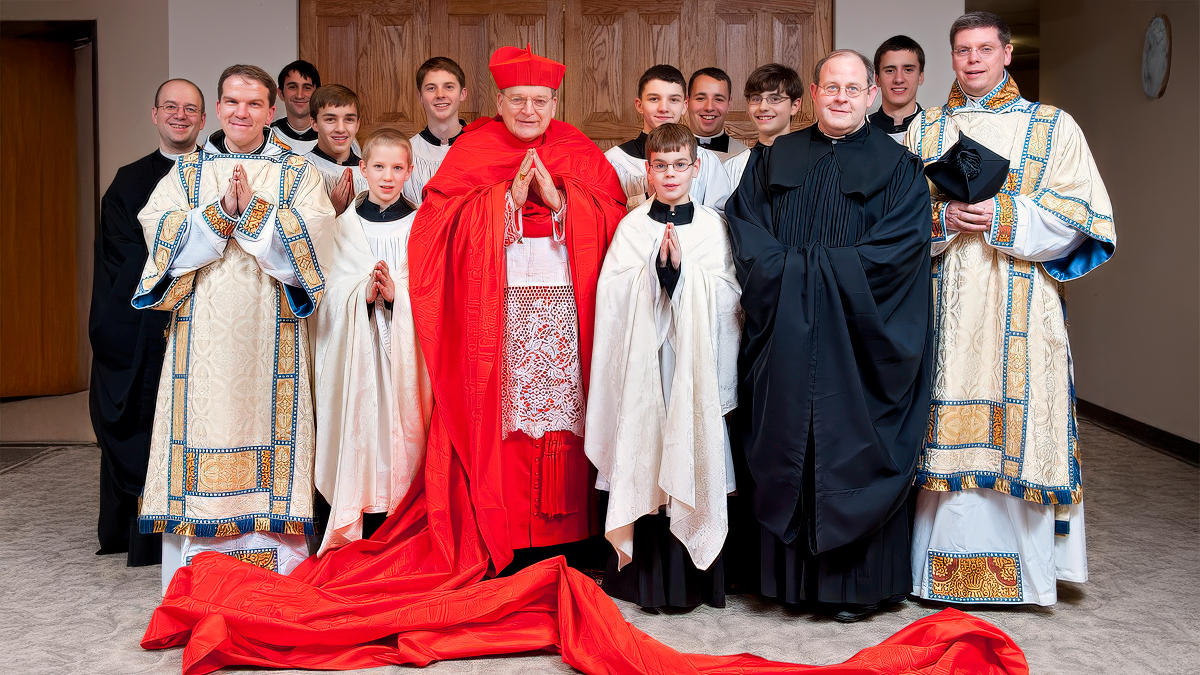
Restorationism promises clarity where ambiguity dominates. It offers programmes, pipelines, and reforms. But the Gospel teaches something scandalous: God scatters seed recklessly, trusts mixed fields, and reserves judgment for harvest. Control is not the language of faith.
-
Marking the rhythms of human life and Christian spirituality
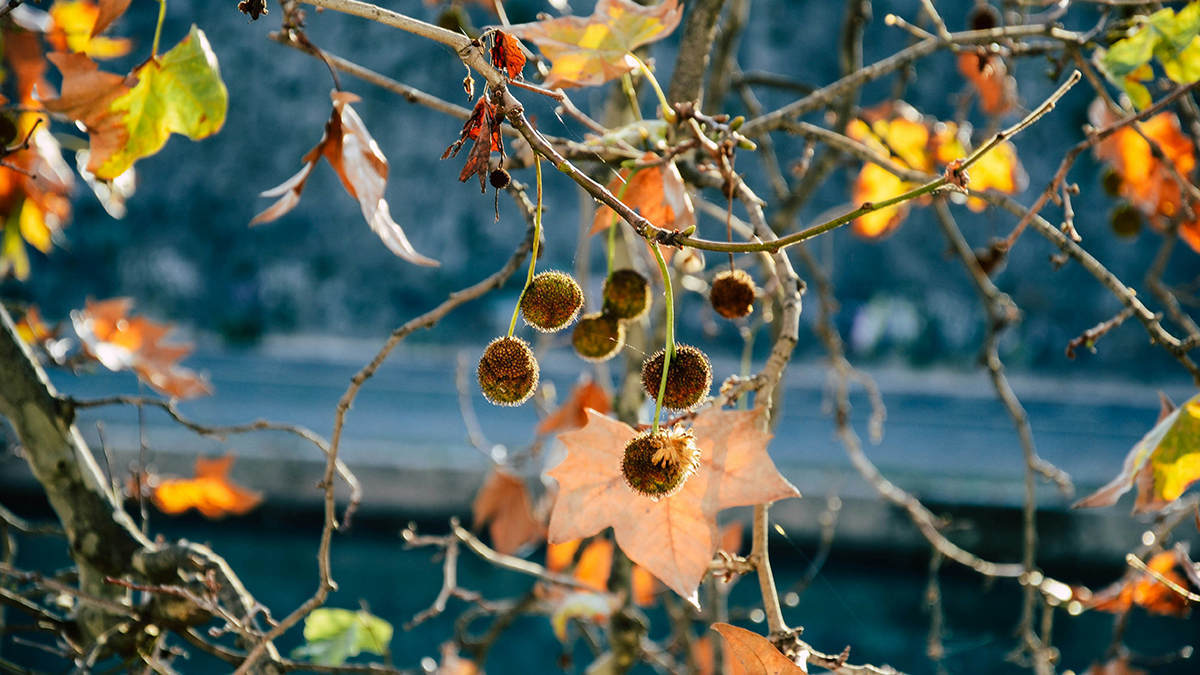
As winter wanes and spring approaches, Lent invites us to revive our spiritual rhythms through prayer and reflection. This season offers both individuals and communities a chance to align their inner lives with the natural turning of the earth toward renewal.
-
What 600 million Pentecostals know about worship that we’ve forgotten
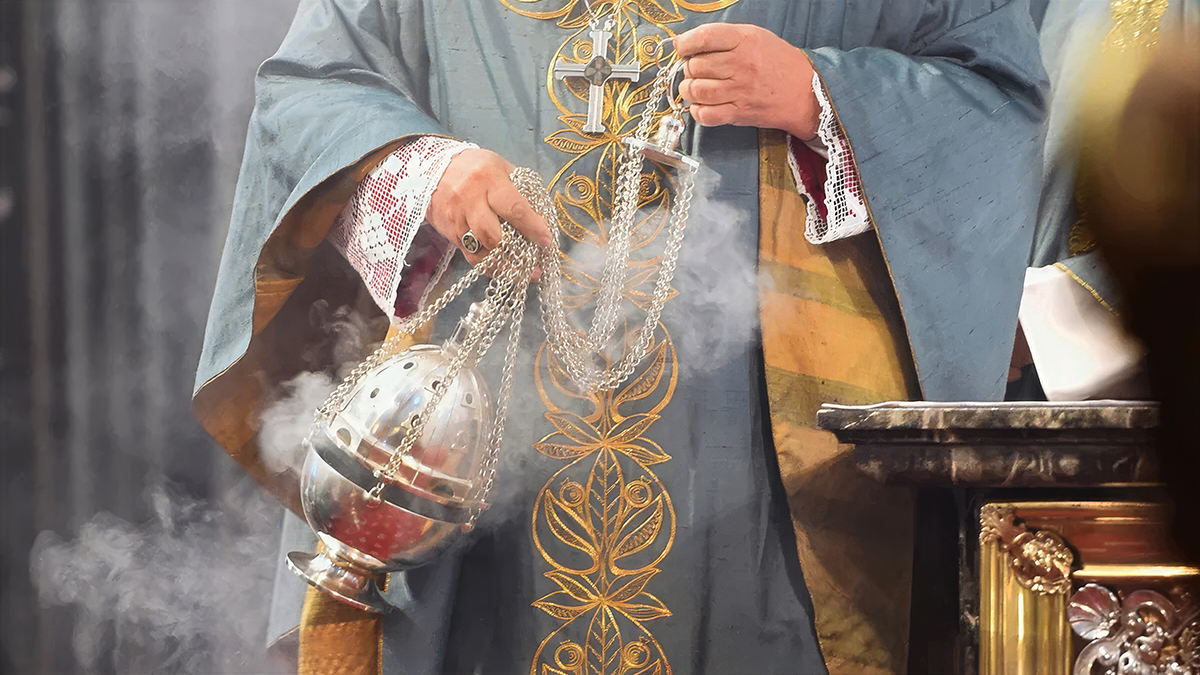
Where people found healing, story, song, and embodied gesture—where they encountered transcendence through colorful devotions, Marian piety, and the communion of saints—faith flourished. Pentecostalism’s worldwide explosion offers clear evidence: people hunger for mystery, not explanations; for symbols, not signs; for mythos, not merely logos.
-
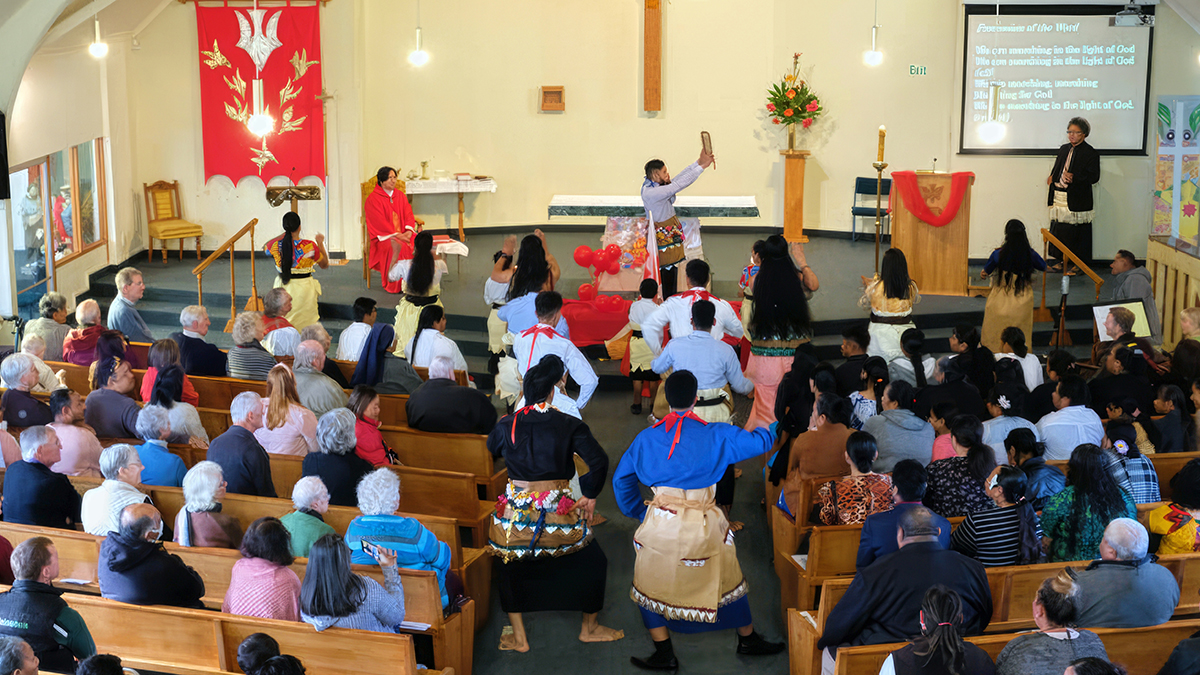
Global South shut out again: Synod’s liturgy team under fire
Reactions to the new Synod liturgy working group focus heavily on diversity. With limited involvement from the Global South, the dominance of clergy and few women represented, many suggest the credibility of the group’s synodal aims is weakened.
-
Liturgy needs a living voice, not a frozen page
Worship often sounds more written than spoken, as if directed at God rather than spoken with God. Liturgy that stays on the page risks sounding noble but distant. Translation is not imitation but incarnation.

-
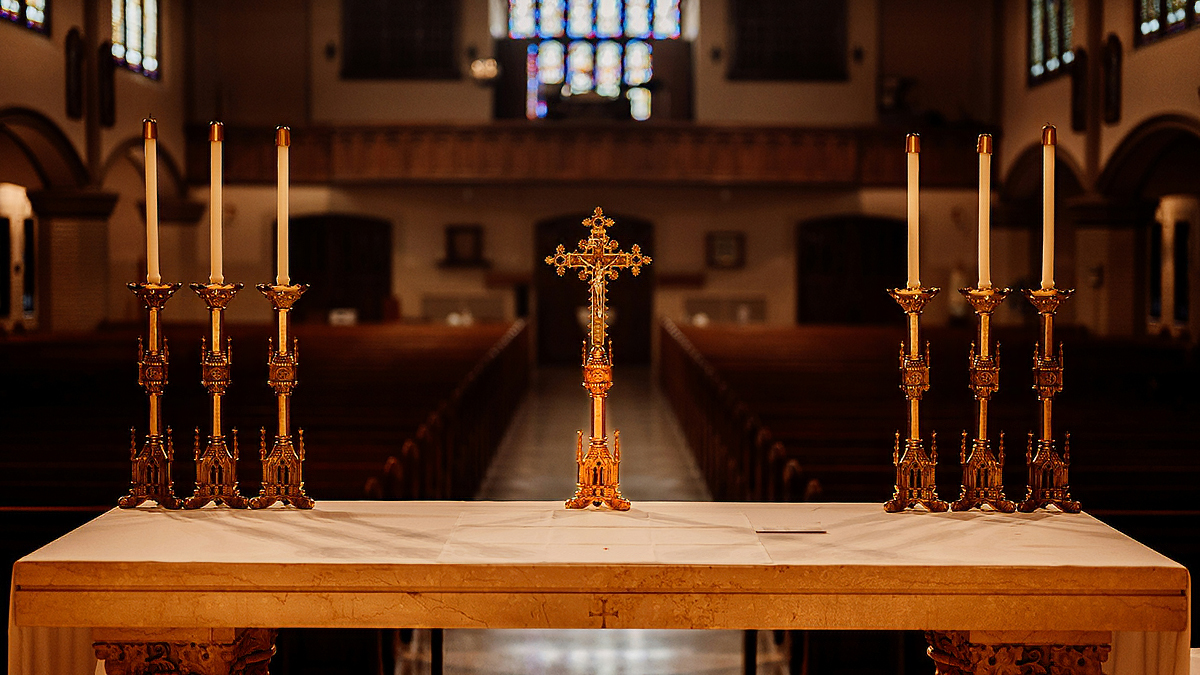
Spiritual fireworks don’t last
Many renewal movements start strong but fade fast. The difference lies in whether they transform culture or simply stir emotion. Renewal that lasts leads to mission, not just moments of conversion or Church-building.
-
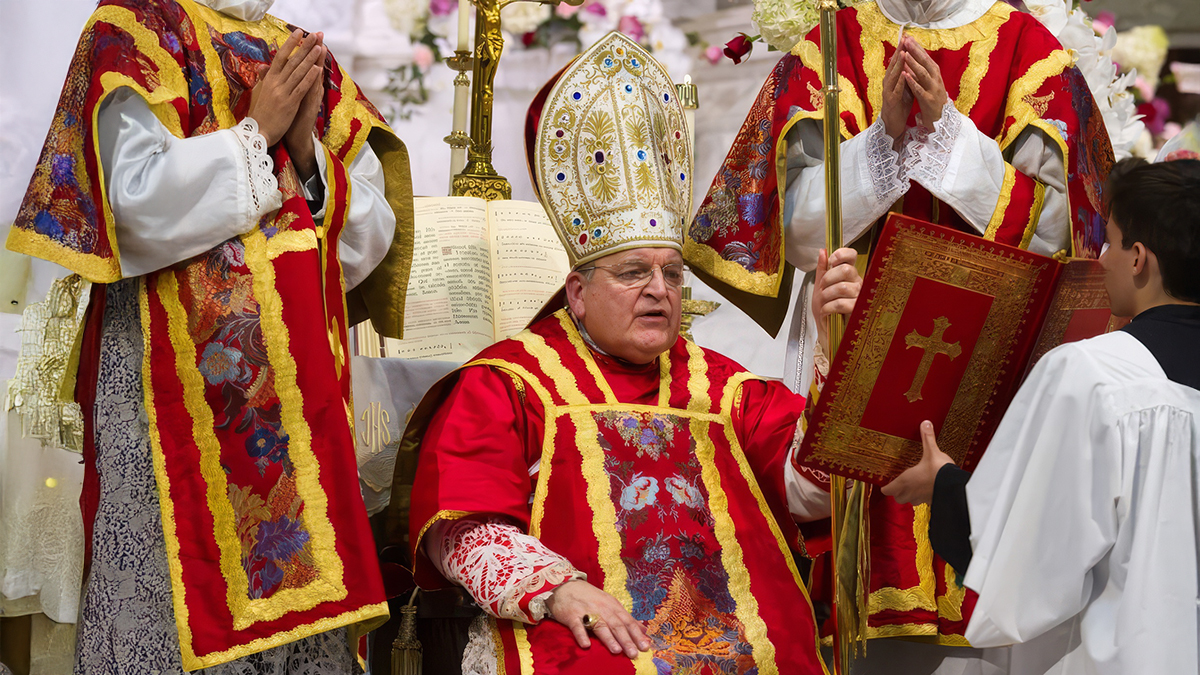
A gesture of unity or a triumph of tradition?
Pope Leo XIV has reintroduced the 1962 rite in the Church’s heart. His invitation to Burke is being watched closely: will it be seen as a step toward unity, or will it embolden those who regard the post-Vatican II Church with suspicion?
-
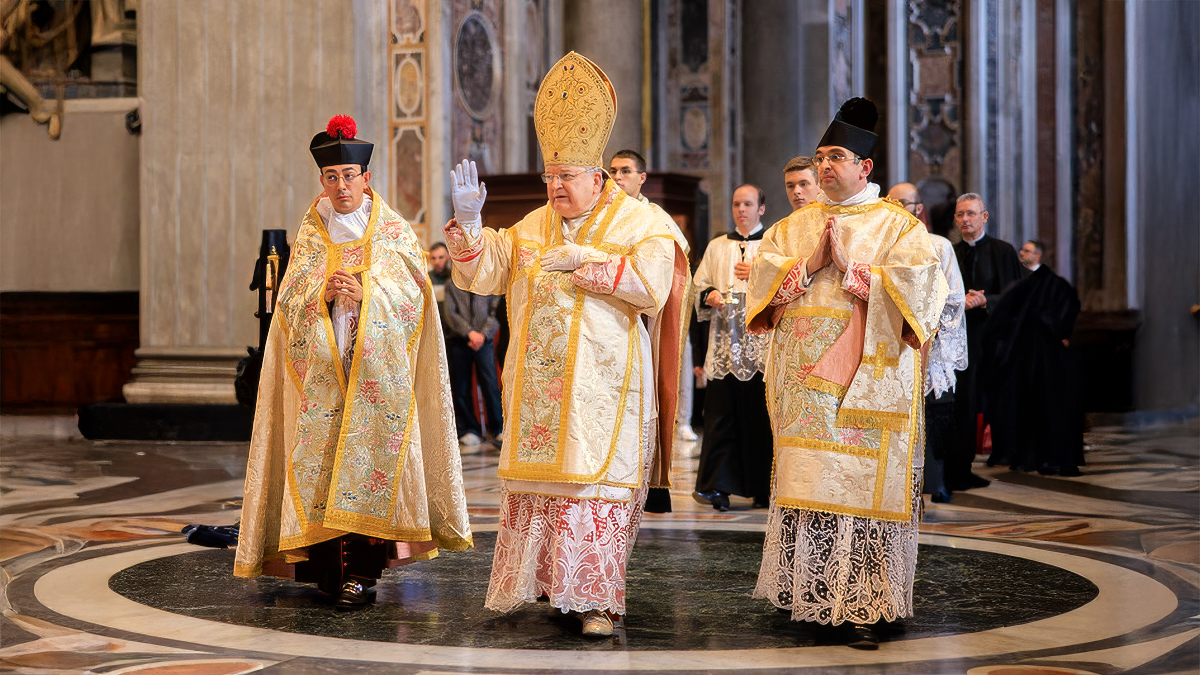
Going back!
The Latin Mass movement remains a small minority, yet its symbolism looms large. As the Church balances reverence and reform, its leaders warn that the desire for tradition may risk undermining the very renewal it seeks to preserve.
Get Flashes of Insight
Donate
All services bringing Flashes of Insight are donated.
Significant costs, such as those associated with site hosting, site design, and email delivery, mount up.
Flashes of Insight will shortly look for donations.