
Gender Equality
-
Synodality, local churches, and the end of Eurocentric theology
Asian theologians shifted the language of mission from ad gentes (“to the nations”) to inter gentes (“among the nations”). That single preposition change carries enormous weight: it replaces a one-directional, subject-to-object model with a dialogical encounter between communities, cultures, and equals.

-
The forbidden tree and a troubling picture of God
Placing a forbidden tree in a garden created out of love raises hard questions about the nature of God. Read literally, the Genesis story portrays the Divine as setting a trap, then punishing all humanity when the trap is sprung.

-
The young women the Church is losing — and why
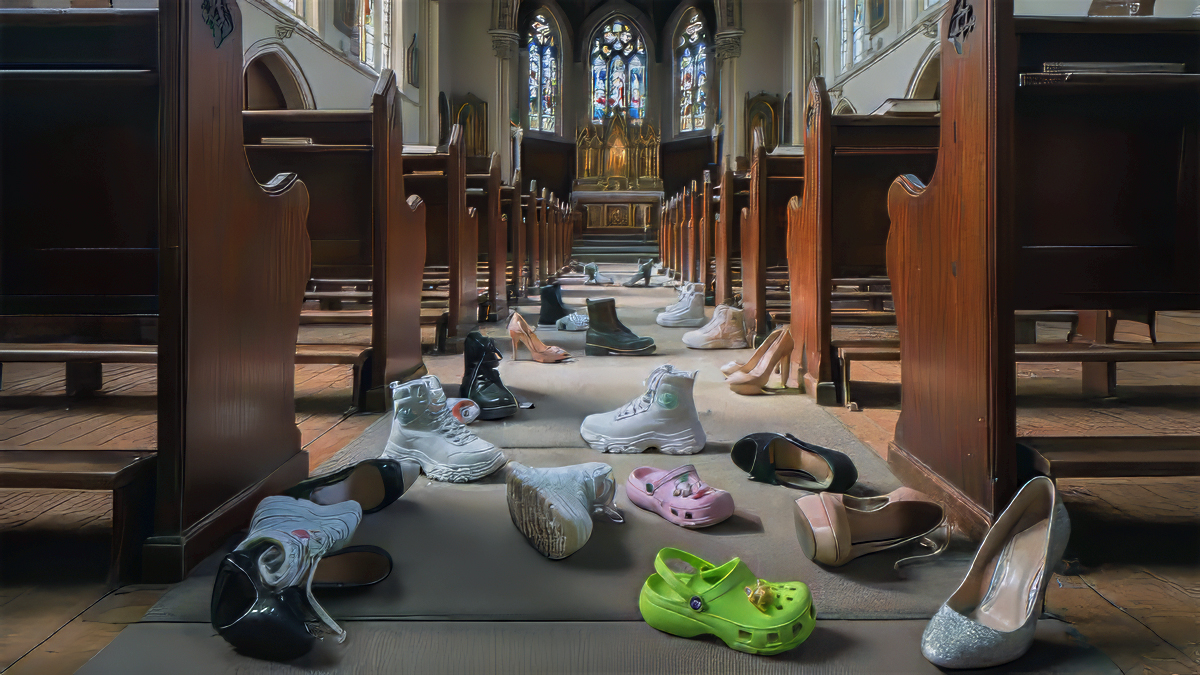
Young Catholic women are abandoning institutional religion for direct action—caring for the homeless, demanding equality, and fighting for human rights. They embody the Beatitudes’ values but reject religious identity, motivated instead by humanitarian concern and compassion.
-
Conservative minority blocked Synod progress
Catholic parish councils following the 2024 Synod closely observed how conservative minorities successfully blocked substantive progress despite official documents recommending expanded roles for women. The gap between synodal rhetoric about co-responsibility and actual institutional change reveals whether the Spirit’s voice is genuinely welcomed.

-
The Church is not a ‘she’
Recent Vatican documents on women’s diaconate rely heavily on nuptial theology, arguing that female ordination would compromise the spousal relationship between Christ and church. This reasoning transforms metaphorical language into doctrinal necessity, creating theological problems by literalizing what tradition presents as symbolic representation.

-
Women cannot image Christ as deacons – Vatican
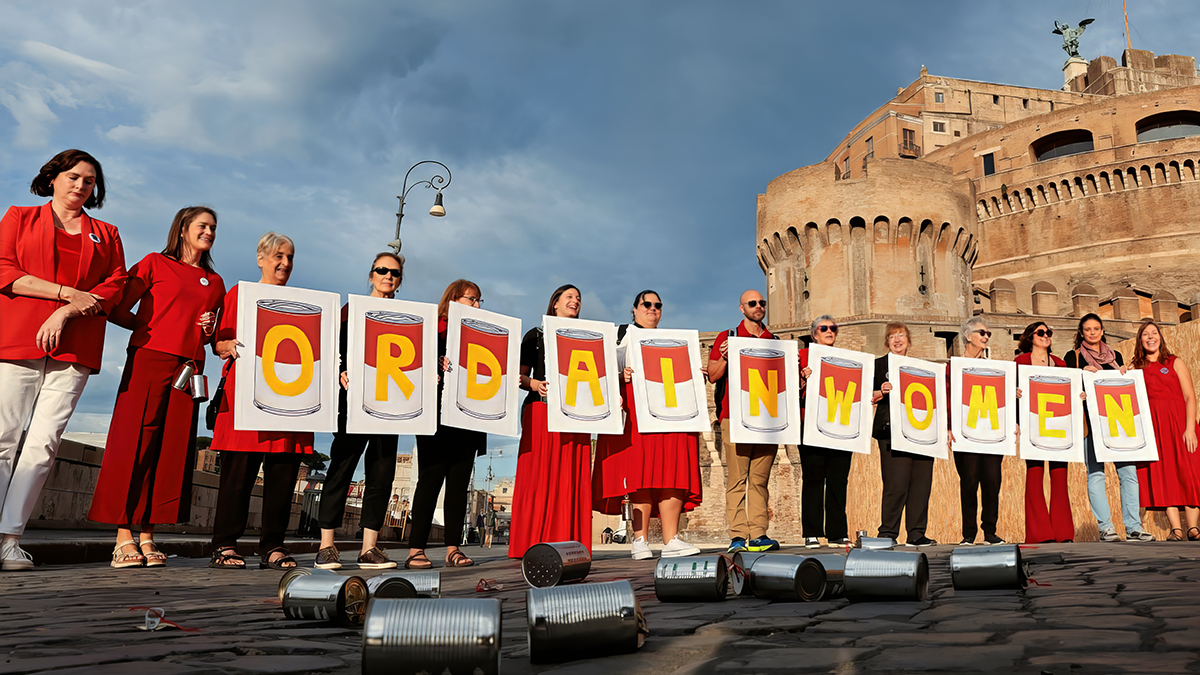
Pope Francis elevated the Final Synod Document to magisterial teaching, stating that discernment on women deacons must continue and “what comes from the Holy Spirit cannot be stopped.” Yet this new commission report attempts to close discussion entirely.
-
Church reform may come sooner
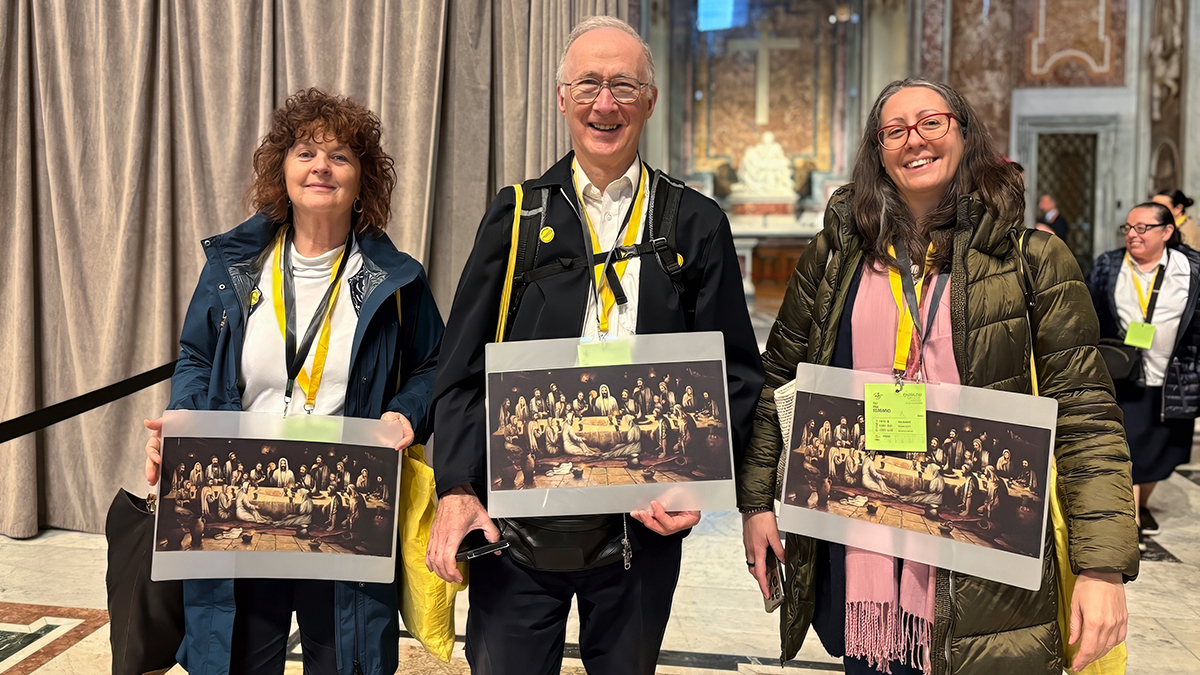
Shared Decision Making. Equality for All Genders. Optional Celibacy. Positive Sexual Morality. A Welcome for All. These five demands once branded us as troublemakers. Now they surface in every serious reform conversation worldwide. Prophetic voices don’t stay silent—they become the conversation.
-
From first witness to fallen woman: the rewriting of Mary Magdalene
Names like Mary Magdalene and Photini, the Samaritan woman known as the first Evangelist, reveal a deep yet suppressed tradition of women leaders. Their stories challenge a Church that still struggles to welcome women as full partners in ministry, governance and proclamation.

-
Younger clergy out of step with Catholic laity
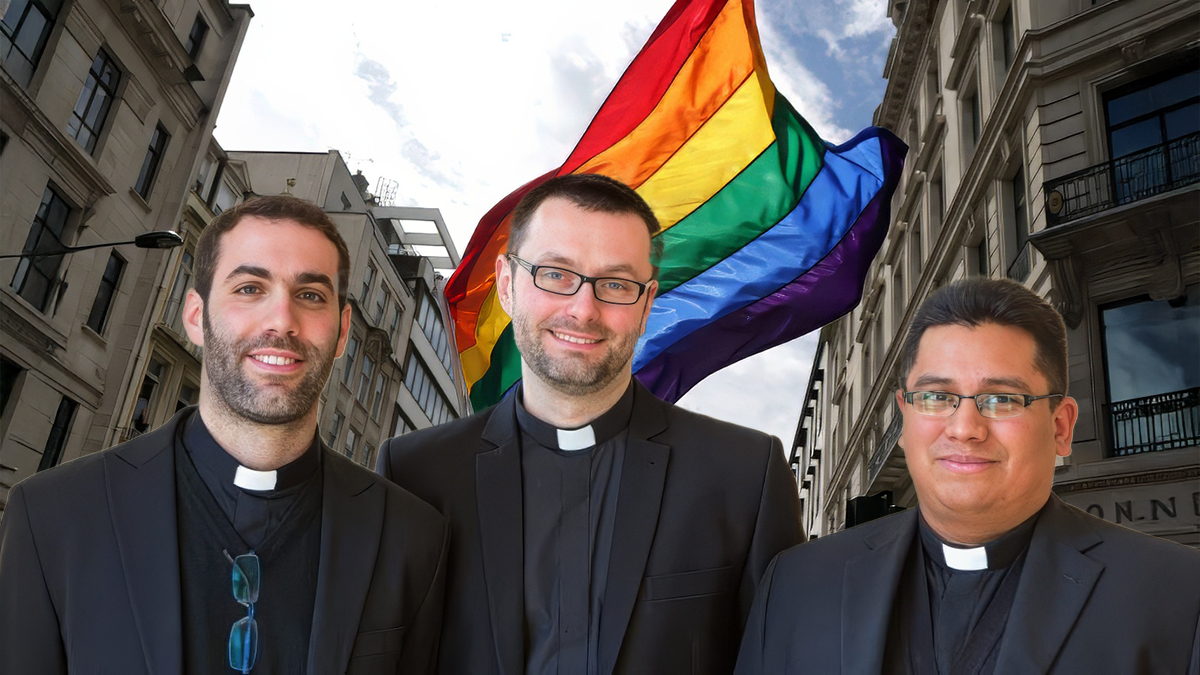
If young priests aggressively advance their conservative agenda, church alienation could grow. With lay opinion trending progressive, the gap may further depress Catholic identity and parish life.
-
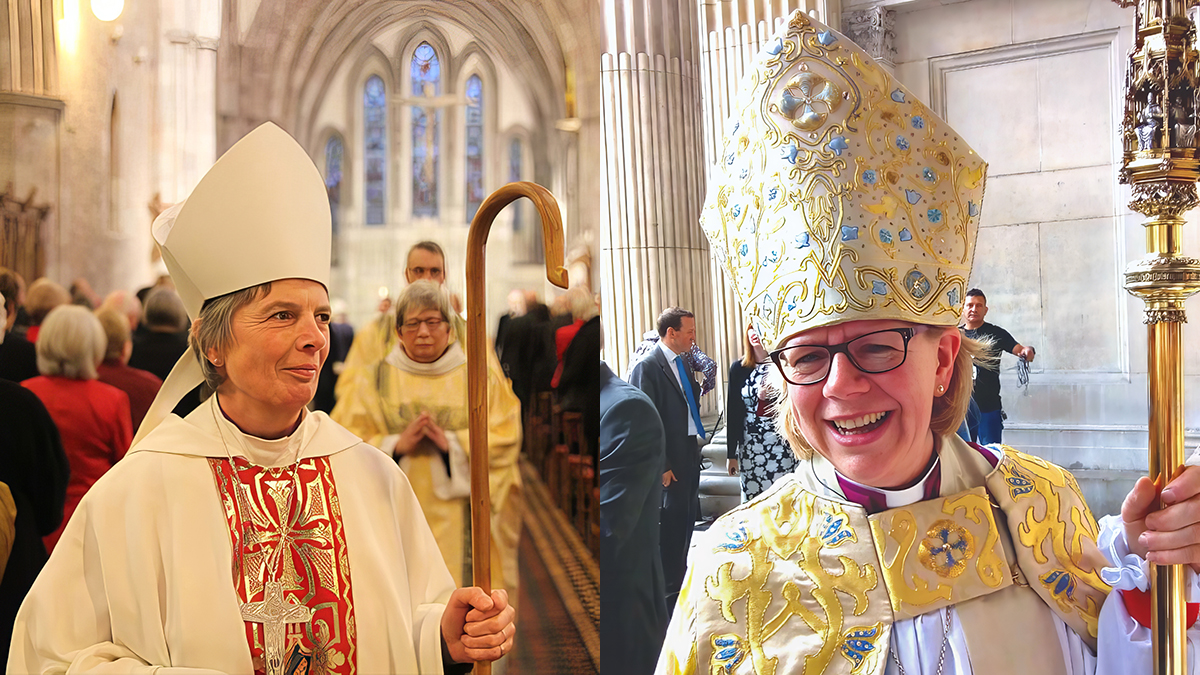
Fruits of the Spirit: Two female Archbishops in two months in Britain
Two women now lead at the highest level in Anglicanism. Sarah Mullally in Canterbury and Cherry Vann in Wales arrive with deep pastoral experience and hard-earned credibility. Their appointments are news; after a moment’s reflection, they also feel inevitable—grounded in proven, practical leadership.
Get Flashes of Insight
Donate
All services bringing Flashes of Insight are donated.
Significant costs, such as those associated with site hosting, site design, and email delivery, mount up.
Flashes of Insight will shortly look for donations.