
Flashes
-
Listening transforms liturgical life
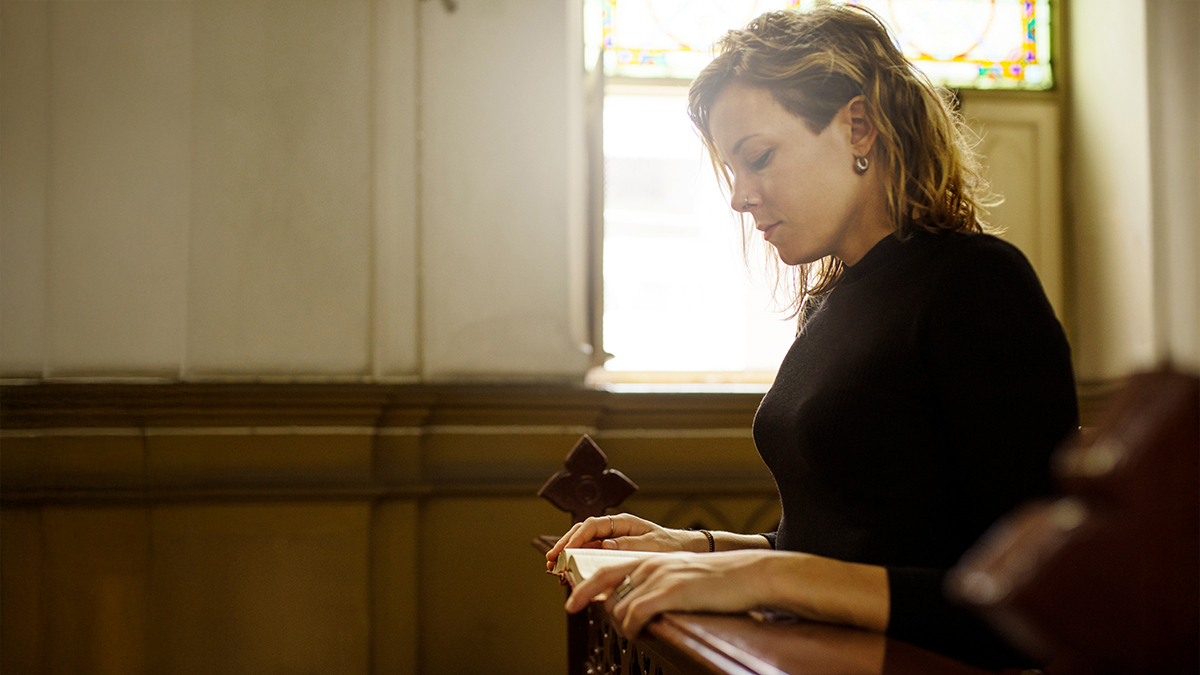
Choirs are not performers. They are prayer guides. Pope Leo reminds liturgical musicians that their work begins in silence, not rehearsal. Music is meant to draw people into prayer, not simply impress them. Deep listening is the choir’s first spiritual task.
-
Political science insights can help the church
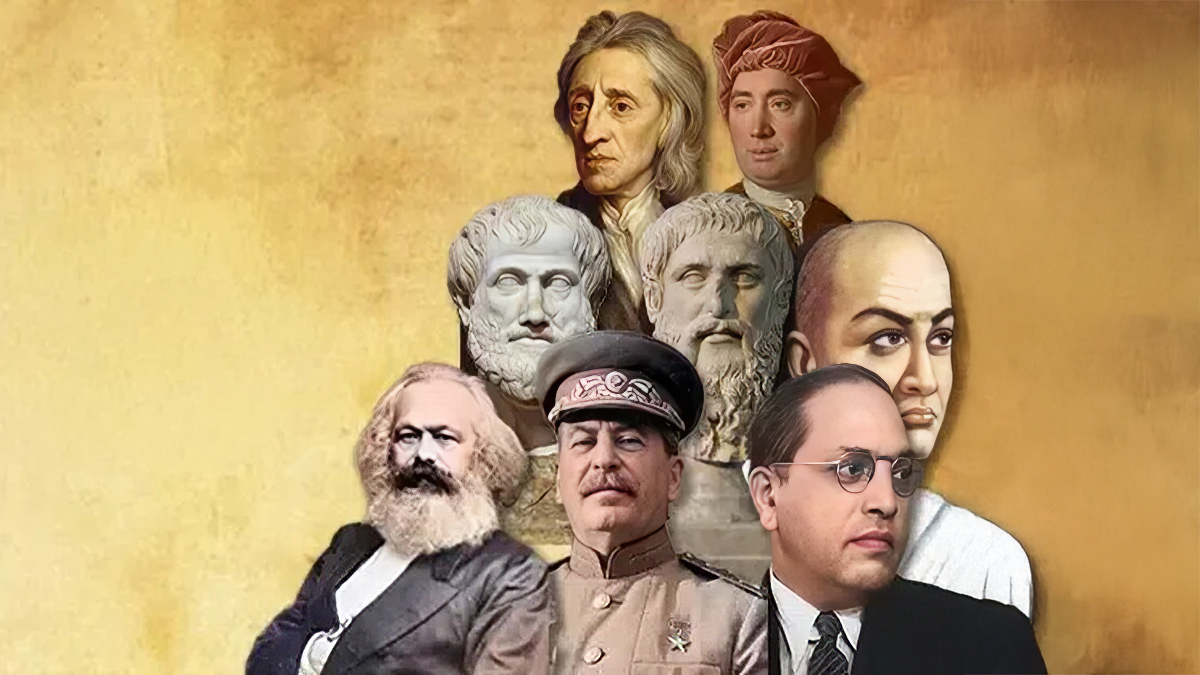
Synodality represents a major cultural shift. Political science reveals how large reforms mirror society’s move from fossil fuels to renewable energy: slow, demanding and contested. Structural change requires persistence, patience and strong leadership capable of guiding communities through uncertainty and resistance with clarity and courage.
-
Clericalism hijacks the Church
Ordination was once a commissioning for service within a community. Now, it’s treated as an ‘ontological change’ — a mystical elevation. Exploring shift from “Vicar of Peter” to “Vicar of Christ”.

-
Rethinking parish life
The Catholic parish once stood as the Church’s neighbourhood heartbeat. Today, that model no longer fits. From Canada to New Zealand, the shift from “maintenance to mission” is taking hold. Lay-led communities, family-of-parishes, and digital ministries are showing that faith can flourish even where buildings close.

-
Global South shut out again: Synod’s liturgy team under fire
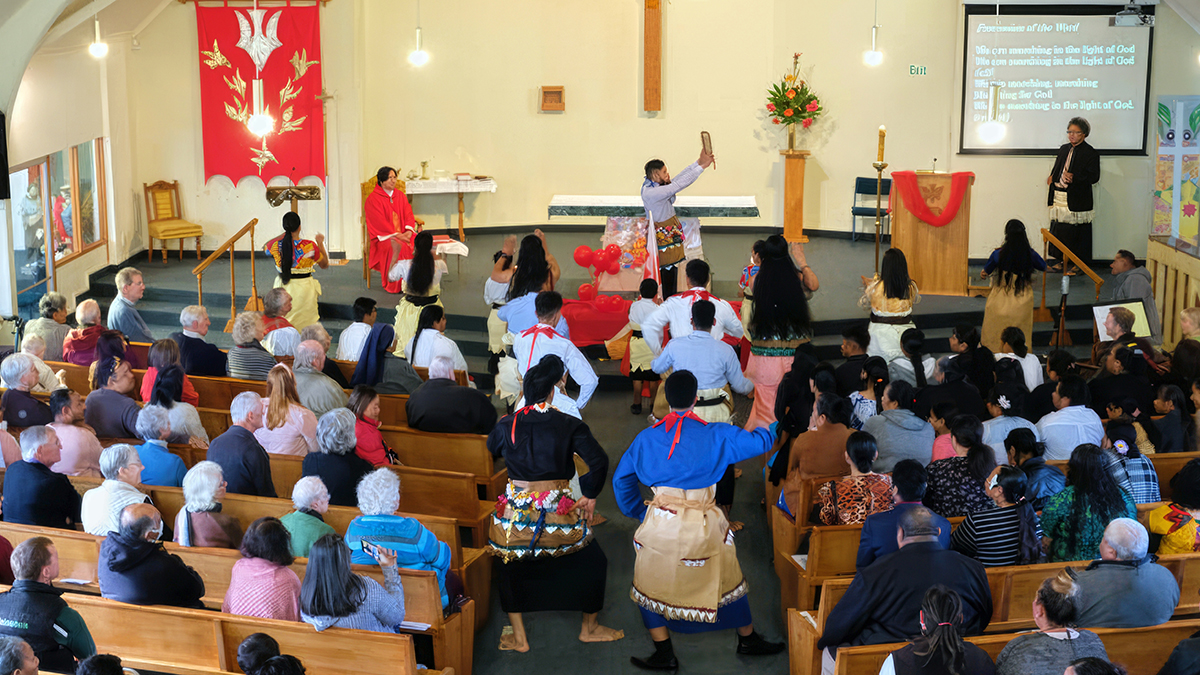
Reactions to the new Synod liturgy working group focus heavily on diversity. With limited involvement from the Global South, the dominance of clergy and few women represented, many suggest the credibility of the group’s synodal aims is weakened.
-
When divine justice feels delayed
esus’ assurance that God’s chosen will find quick justice seems contradicted by human experience. The faithful must grapple with the gap between divine promise and human suffering, asking what role God—and we—play in the story of justice.

-
Liturgy needs a living voice, not a frozen page
Worship often sounds more written than spoken, as if directed at God rather than spoken with God. Liturgy that stays on the page risks sounding noble but distant. Translation is not imitation but incarnation.

-
Spiritual fireworks don’t last
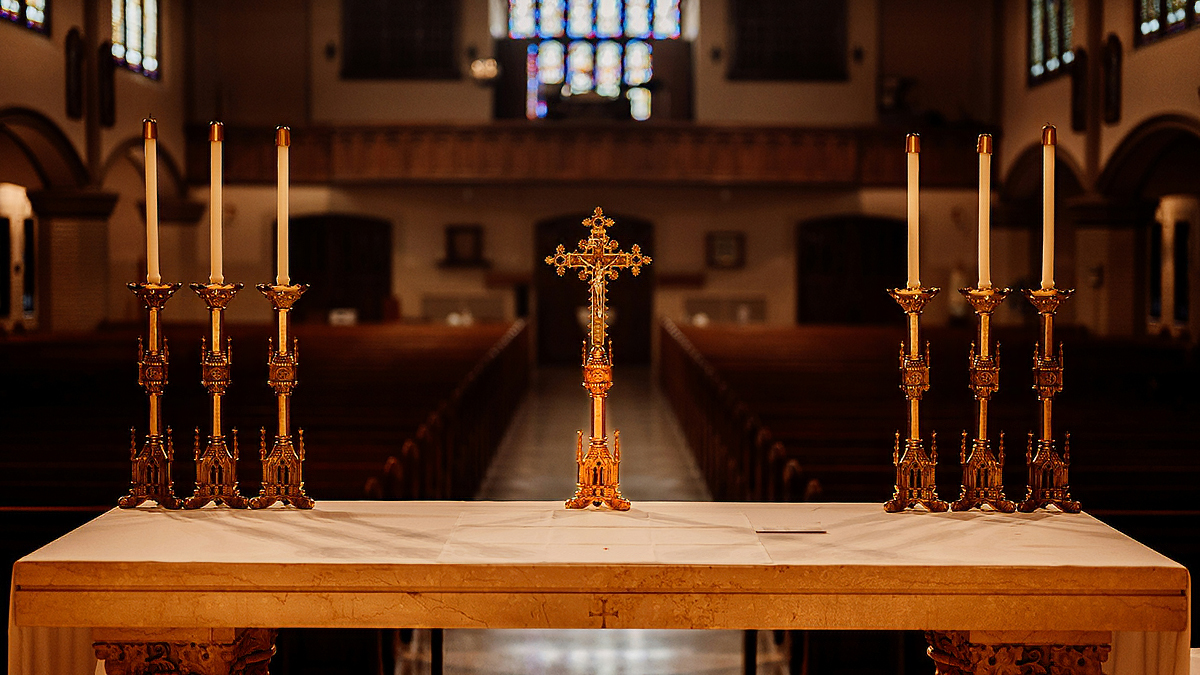
Many renewal movements start strong but fade fast. The difference lies in whether they transform culture or simply stir emotion. Renewal that lasts leads to mission, not just moments of conversion or Church-building.
-
From first witness to fallen woman: the rewriting of Mary Magdalene
Names like Mary Magdalene and Photini, the Samaritan woman known as the first Evangelist, reveal a deep yet suppressed tradition of women leaders. Their stories challenge a Church that still struggles to welcome women as full partners in ministry, governance and proclamation.

-
When Pilate meets the algorithm: AI and the search for truth
Pilate’s ancient question echoes through our digital age. As AI fabricates images, voices, and even popes, the Church faces a timeless challenge: how to tell what’s real. When truth can be generated, edited, and endlessly reshaped, how do we recognise it— and would we even know if we did?

Get Flashes of Insight
Donate
All services bringing Flashes of Insight are donated.
Significant costs, such as those associated with site hosting, site design, and email delivery, mount up.
Flashes of Insight will shortly look for donations.