
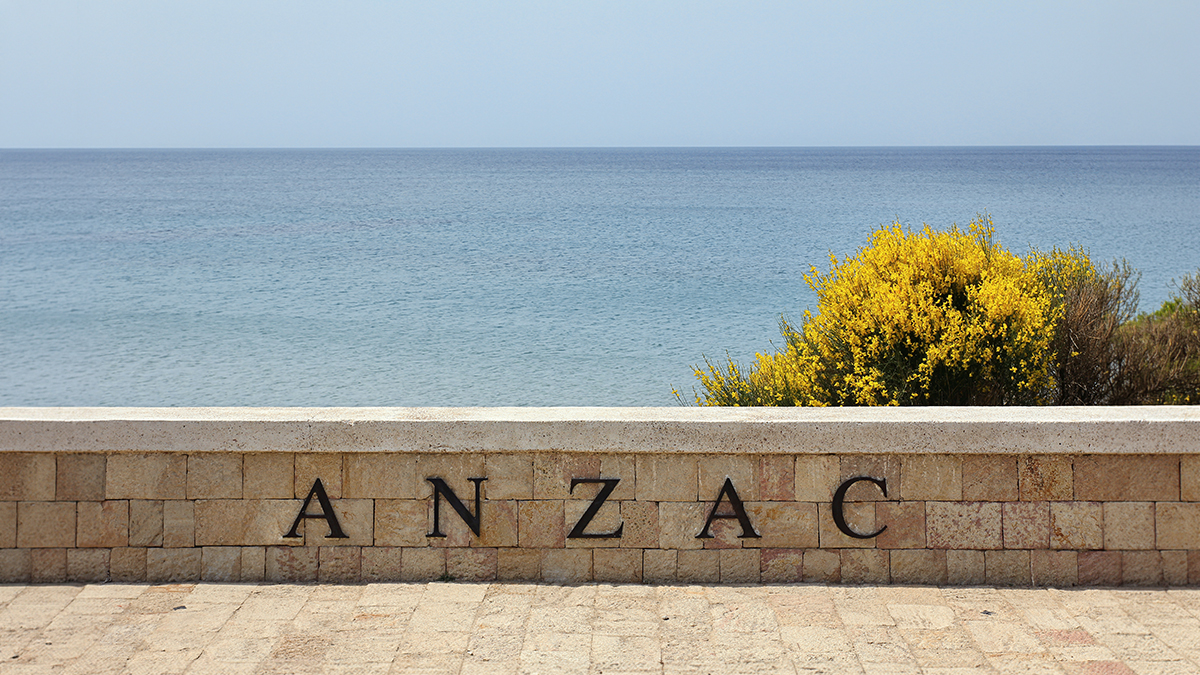
The grief begins on a beach and radiates outward — to the men forever scarred, to their families, to the small towns that lost their young men. Every year on Anzac Day, Australia and New Zealand keep that grief alive.
Anzac Day commemorates a relatively minor military action in World War I, part of a larger campaign to seize control of the Dardanelles.
This year, it coincides with the war between Iran and the United States for control of the similarly strategic Strait of Hormuz. The coincidence invites reflection on both wars.
Grief beyond the battlefield
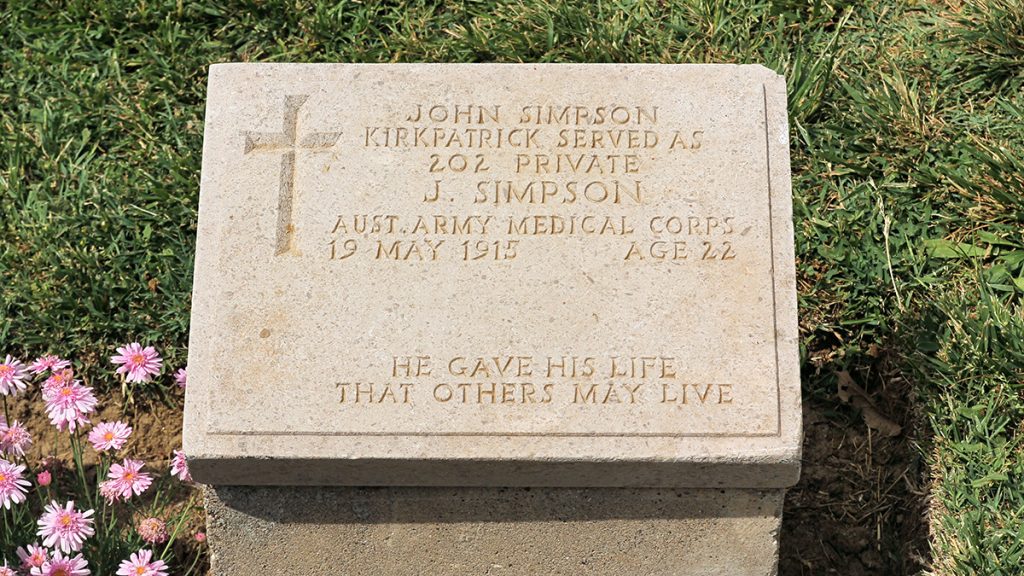
The deeper significance of Anzac Day lies in keeping alive the memory of the soldiers who died on the Turkish beach.
Its pathos lies in the multiplication of the suffering of those who died by the grief of all others whose lives were devastated: their families, and the small towns hollowed out by loss.
Beyond Gallipoli, it recalls lives lost in subsequent wars. The battle might have been minor, but the human suffering was great.
That message is sometimes obscured by attempts to glorify war through the power of its technology, the romance of battle and the need for Australia to fight new wars.
Gallipoli and Hormuz
The same pattern of ambition and miscalculation connects both conflicts.
The Anzac soldiers at the Dardanelles formed part of a plan by Britain and France to seize the straits from Ottoman forces allied with Germany. Australian and New Zealand soldiers played a small but significant part.
Like the United States’ foray into Iran, the campaign’s visionary goals were undermined by geography and poor planning.
Counting the cost
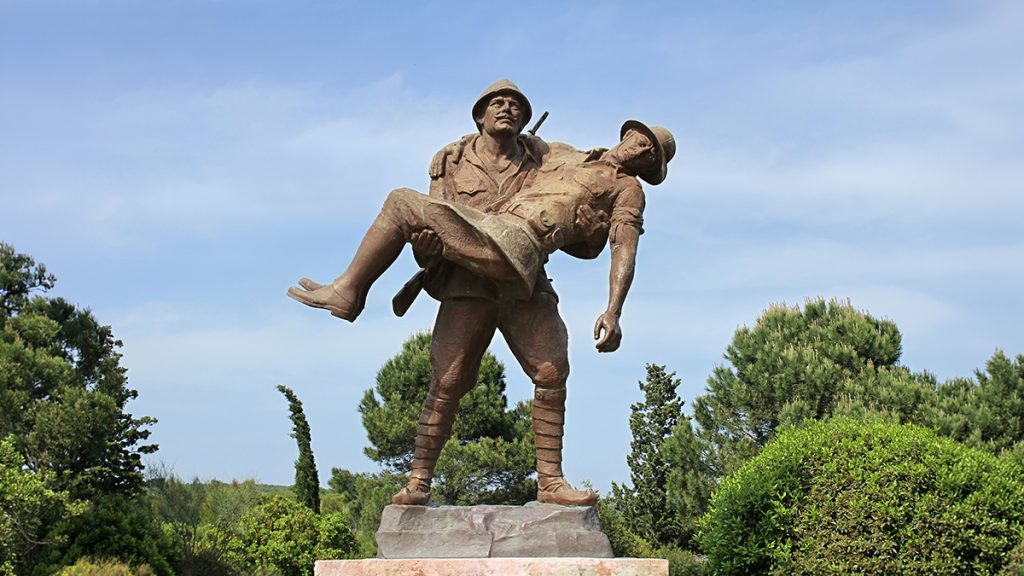
As we remember those who fought, died and survived on those shores, we should keep in mind the larger human cost.
The armies on each side in 1915 suffered up to 250,000 casualties and 40,000 deaths.
That does not begin to number those haunted by memory, the families of those killed or wounded in mind and body, those who suffered hunger and displacement. And at the end, the Dardanelles remained in enemy hands.
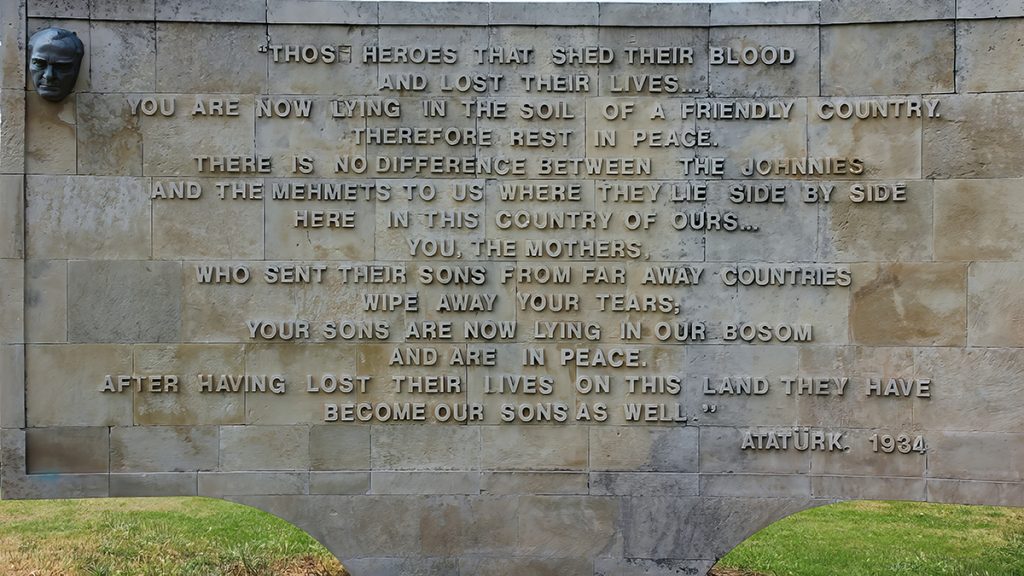
Eventually, the Allies won this war to end all wars. But the cost multiplied.
As we look back at the courage and sorrow of the Dardanelles, our eyes are drawn to the Strait of Hormuz, our hearts torn by the disproportionate deaths of noncombatants, our souls bruised by false hopes of security through arms.
The commemoration of Anzac Day this year should be modest in its rhetoric, forsaking any glorification that would make war a cause for celebration rather than regret.
It should allow us to grieve lives lost and forever shadowed, thank those who served, and recall the endurance and domestic virtues displayed in the aftermath.
We should recognize that past wars have never ended all wars, but have been followed by ever more destructive ones. They do not clear poisoned air but further pollute it.
Never again
Anzac Day also looks to the future. As we grieve and give thanks, we should commit ourselves to turning away from war and shaping a more just society.
ANZAC Day is a time to cry, “Never again,” to the business of war.
- Andrew Hamilton SJ is the consulting editor of Eureka Street and a writer at Jesuit Social Services.
- An abbreviated version of the original that was first published in Eureka Street.