
Is it too radical or just plain naïve to suggest we need world leaders to sign on to a special version of synodality?
Is it no longer sufficient to promote a call for world peace?
Most of us would agree that we live in a more disturbed time than we can remember.
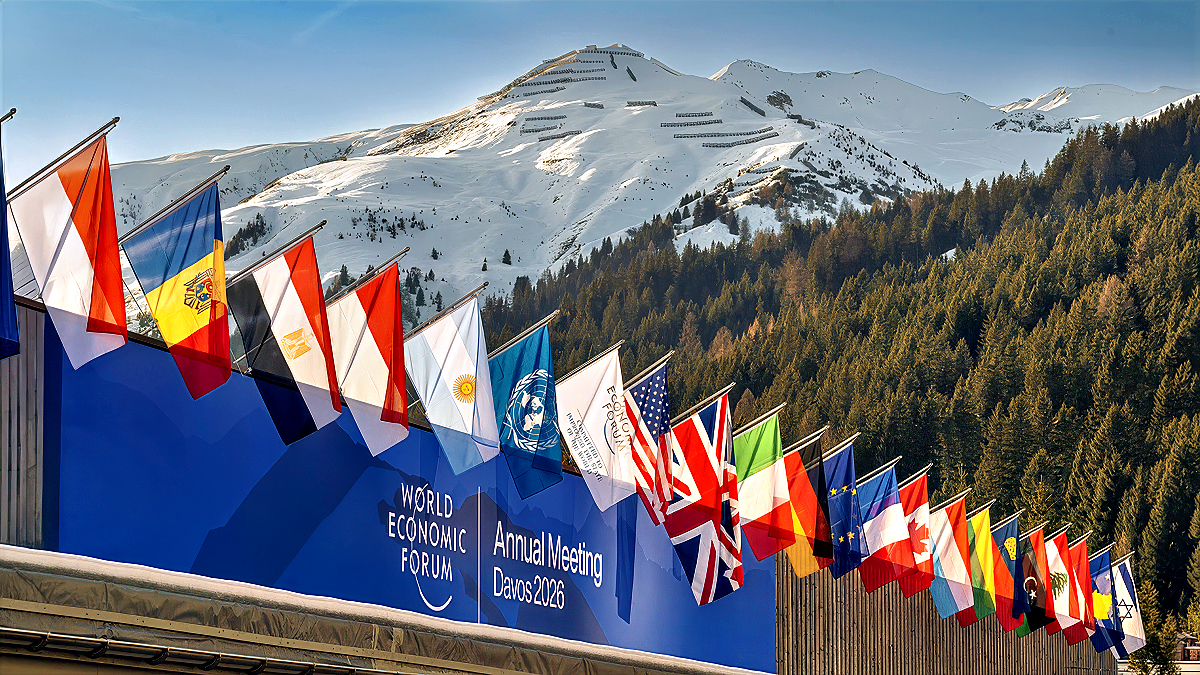
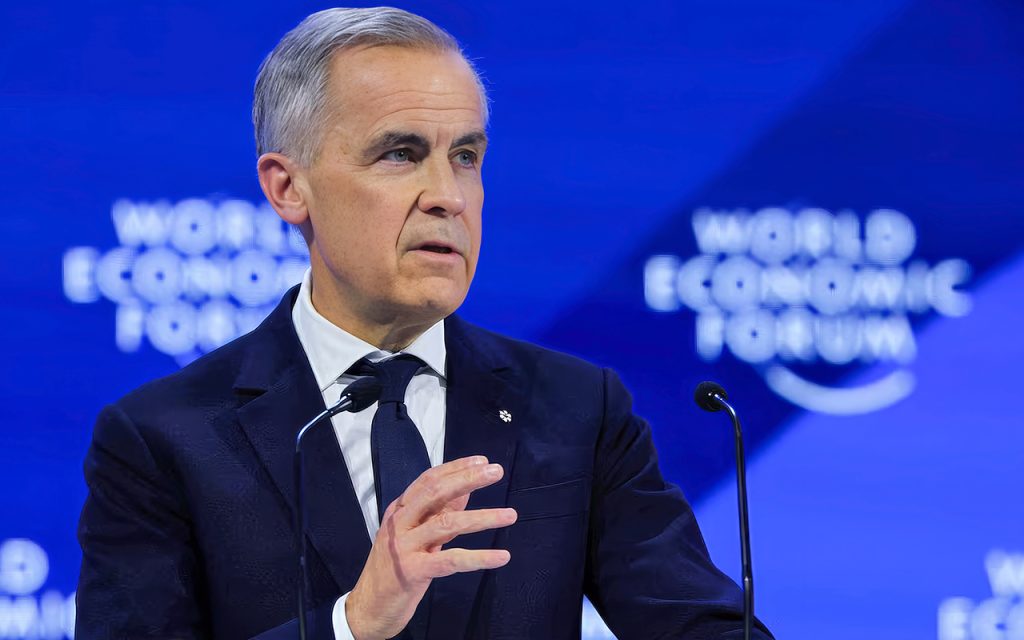
At the recent World Economic Forum in Davos, Canadian Prime Minister Mark Carney expressed it this way:
“Today I will talk about a rupture in the world order, the end of a pleasant fiction and the beginning of a harsh reality, where geopolitics, where the large, main power, geopolitics, is submitted to no limits, no constraints.”
He does not mention murder, mayhem and poverty across the globe but they are part of the rupture.
I refrain from a canvas of the role of the United Nations and reference to its individual 193 members.
Listening as a global tool
But I would like to propose the adoption of a version of Pope Francis’ inspired synodality for world leaders.
Not all his three underlying principles will apply directly or without variation but the concept of collaboration — of listening to each other in an active way, has urgent merit.
Undoubtedly some leaders will reject the idea of walking together, of active listening, engaging in discernment — of genuinely collaborating.
They may claim a unique privilege, an obligation to lead their nation, to do what’s best for their country, to make a personal difference.
Well, PM Carney puts paid to the acceptability of such claims in the present context. A rupture of world order is not something to ignore.
Summits are not enough
We can’t be too bold about how successful the Catholic Church has been with synodality, especially when this week a German cardinal debunks the Synodal Way and refuses to participate.
But many around the world are trying to practise synodality and with success. Pope Leo regularly reinforces his support for synodality.
It’s too “churchy” to call what leaders might adopt as synodality. But the notion of genuine collaboration might be possible.
The frantic calling of urgent summits as we have seen recently, and people despatched to foreign lands to curry peace, ably demonstrates we have a pressing need.
Not even collaboration will stop world leaders who want to invade other countries, forcibly acquire adjacent lands or wreck world trade arrangements.
But the breach of established protocols may make the task much harder and give firm grounds to call out errant behaviour.
Beyond the UN charter
The UN Charter includes the principle of cooperation but that is plainly no longer enough.
Is it too naïve to ask world leaders to sign on to collaboration? Not just when there is a crisis for which they are adept at assembling urgently at a summit. Not another failed Security Council meeting or platitudes at a UN Assembly meeting.
Way back before that point, let’s adopt a spirit of international collaboration as a mark of the way we live.
Let’s look at the poor and underprivileged and apply the spirit of collaboration to working on their needs.
In a world as broken as it presently is, some leaders may be attracted to sign on to collaboration — to work together on some noble solutions and collaborate on better ways of contributing to a broken world.
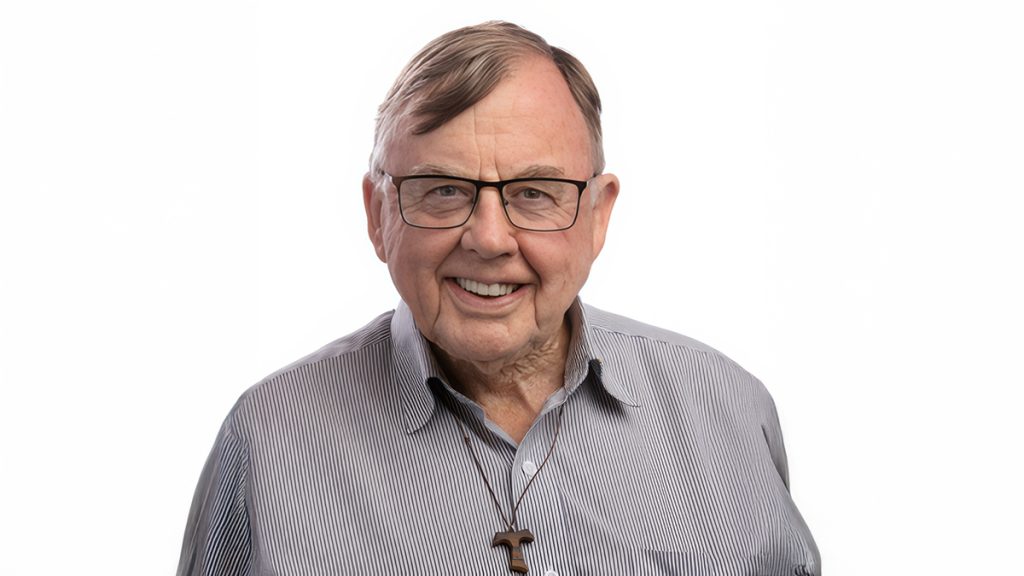
- Justin Stanwix is an active permanent deacon in the Diocese of Wollongong, Australia. After 40 years in commercial law practice he was ordained deacon. He has a love for liturgy and especially for its artful practise dating from Vatican II deliberations. He presents and writes on current Church topics including for some years in La Croix International. Justin has a commitment to synodal layout of church interiors and the way we assemble for Eucharist.