

My professional life has been devoted to teaching and writing about politics, and I am convinced that political science, the study of government, politics and power, has many insights to offer the church in this age of synodality. These include injecting more realism into the task of transforming how the church goes about the business of institutional and cultural reform.
Democracy misunderstood in church circles
The church stresses its unique character, leading it to downplay the insights of the social sciences. I have seen this in the impoverished discussion of parliamentary democracy within church circles.
Democracy is usually mentioned by church leaders only in a negative way as something to be avoided at all costs: a bad idea in theory and practice. This reduces the notion of democracy to mere majoritarian decision-making when it is much more than that. That doesn’t do justice to the spirit of parliamentary democracy. Pope Francis was as guilty of that mischaracterization as anyone.
Majoritarian-style parliaments are just the tip of the iceberg, the product of a belief in the equality of each person within their community. Good parliamentary government depends on civic virtues. Minority rights must accompany majority rule. Policies must be introduced carefully after hearing the voice of the community. Governing must be transparent, and governments must be held responsible to their citizens.
Citizenship, participation and civics
Political scientists also study citizenship and participation. The lesson learned from this exercise is that democracy is fragile with active citizenship being the exception rather than the norm. It must be valued and cherished. Passivity and ignorance are more common than informed voting.
One practical aspect of political science is civics education, involving instruction and formation in the values and mechanisms of democratic systems, including voting. Such education is embedded best when it begins early in primary and secondary schooling. Governments invest in civics, but the results are still not encouraging.
Catholics are no more educated in secular civics than anyone else and the same ignorance applies to church civics. The church should note this when taking steps which rely for success on an informed community.
Lessons for synodality
Against this background, the church is embarking on the introduction of synodality. Political science knowledge alerts us that the task is immense. A good parallel is the effort necessary by governments to shift society away from reliance on fossil fuels towards renewable energy.
The well-known politics of climate change are hard fought. Fossil fuels are embedded in our traditional way of life; the status quo is defended by powerful interests for whom the existing situation brings rewards; resistance is widespread and becomes both a battle of big ideas and localized skirmishes.
Climate change is a relevant case study because the church itself is actively engaged. Since Pope Francis’ encyclical Laudato Si’ it has been a major player in advocating for our common home. The lessons learnt suggest synodality, Francis’ second big idea after care for the environment, will strike equivalent resistance. For success it will require the same input of energy, intellect, education and resilience as advocating for climate action.
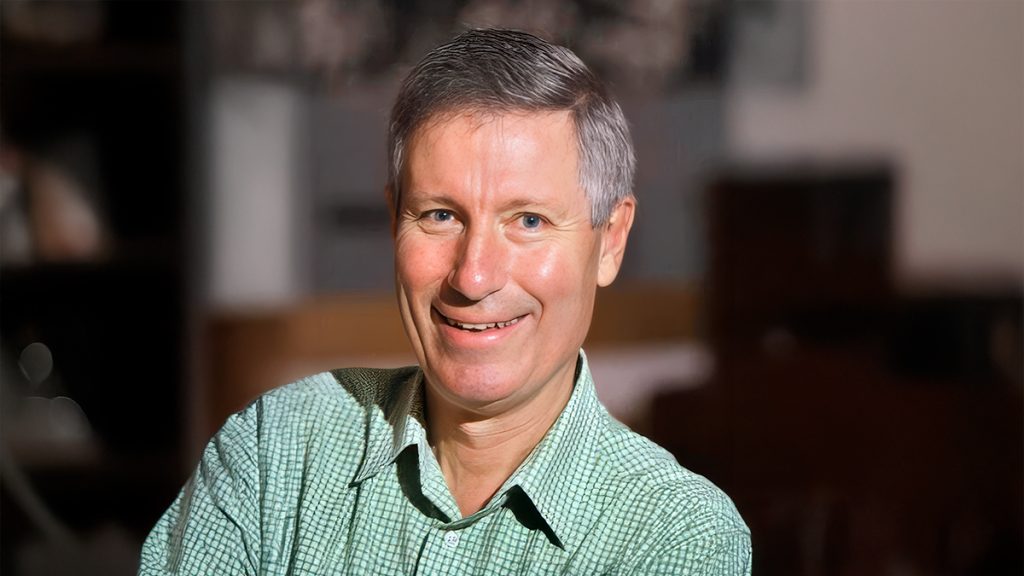
- John Warhurst is Emeritus Professor of Political Science at the Australian National University in Canberra.