
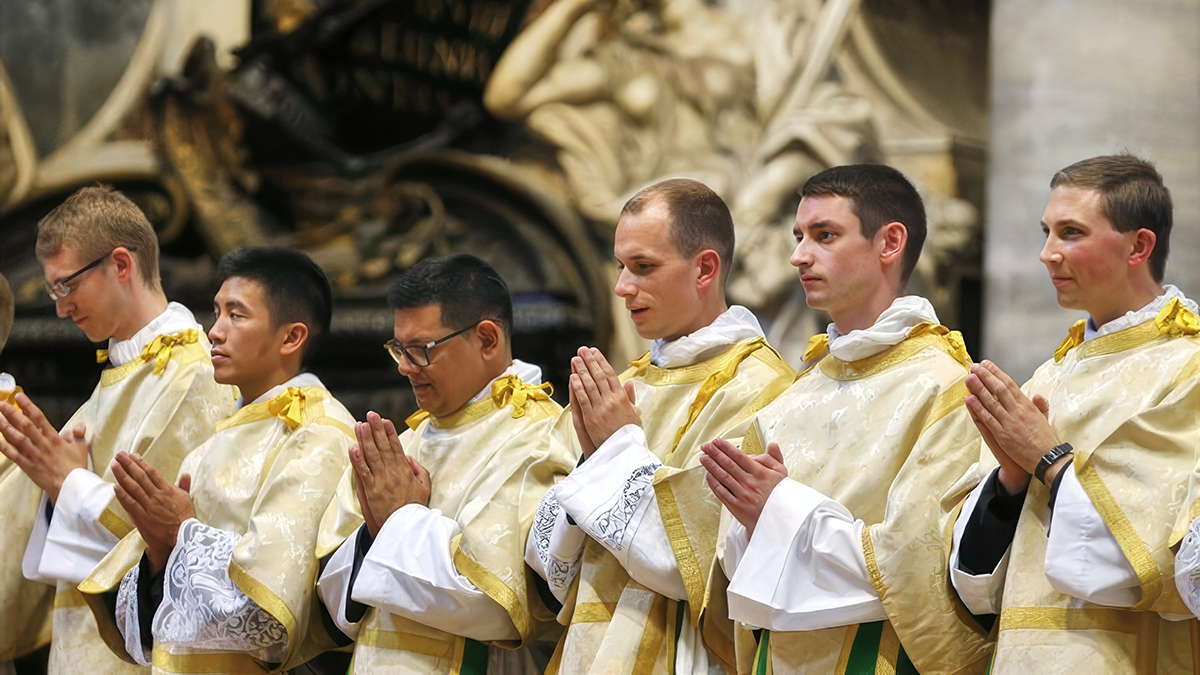

Research spanning four decades confirms a significant shift toward conservatism among Catholic priests in the United States.
A study by Brad Vermurlen, Mark Regnerus and Stephen Cranney highlights that newer cohorts are increasingly traditional regarding moral, theological and political issues.
Generational shift in the priesthood
The study compared 2002 Los Angeles Times data with the 2020-2021 Survey of American Catholic Priests. Findings show that priests ordained in the 1960s and 1970s remain the most liberal group.
However, every successive decade of ordination since the 1980s has produced more conservative clergy. This trend has created a widening gap between older “servant-leader” models and younger “cultic” models focused on dispensing sacral objects.
Factors driving the trend
Statistical models reveal that recently ordained priests consistently hold more conservative beliefs. Religious observance also plays a major role in this shift.
Priests who pray the Divine Office more frequently are more likely to be conservative on every topic surveyed. This suggests a link between traditional devotional practices and conservative views on morality and a rigidity in their approach to Church law.
Views on morality and ordination
The conservative turn is most visible in attitudes toward sin. Newer priests are more likely to view artificial birth control, nonmarital sex and masturbation as sinful compared to their predecessors.
Resistance to structural changes has also grown. Modern ordinands are significantly less likely to support the ordination of women as deacons or priests, or the inclusion of married priests in the Latin Rite.
Analyzing the shift toward orthodoxy
The demographic transformation represents a fundamental shift in ecclesial identity. Researchers suggest an “internal mechanism of institutional selection” has changed the landscape.
Men now drawn to the priesthood often seek a counter-cultural identity. This is reflected in the move toward a “cultic model” where priests possess what they imagine as God-given powers that set them apart from the laity.
Theological and social implications
Older priests often emphasize social justice and lay collaboration. In contrast, younger priests prioritize their role as purveyors of the sacraments.
The study notes that the exclusivity of salvation is a major point of divergence. Newer priests are significantly more likely to agree that Jesus Christ is the sole path to salvation.
Institutional selection and friction
This theological certainty correlates with stricter adherence to traditional moral codes. While the data shows a clear trend, it also highlights potential friction.
As the “Vatican II generation” retires, parish leadership will transition to those with traditionalist views. This could lead to a disconnect with a laity that remains more progressive on social issues.
Notable exceptions to the shift
One consistent exception exists. Priests who self-report as entirely homosexual tend to be more liberal than their heterosexual counterparts across a range of issues.
Despite this, the priesthood is moving toward a very closed vision of Catholicism which is akin, in many ways, to biblical fundamentalism. Indeed, this new clerical conservatism is the Catholic analogue to the Fundamentalist or Evangelical turn seen in Protestant churches over a longer period.
This shift could profoundly influence how future generations of Catholics experience their faith and interact with the church hierarchy.
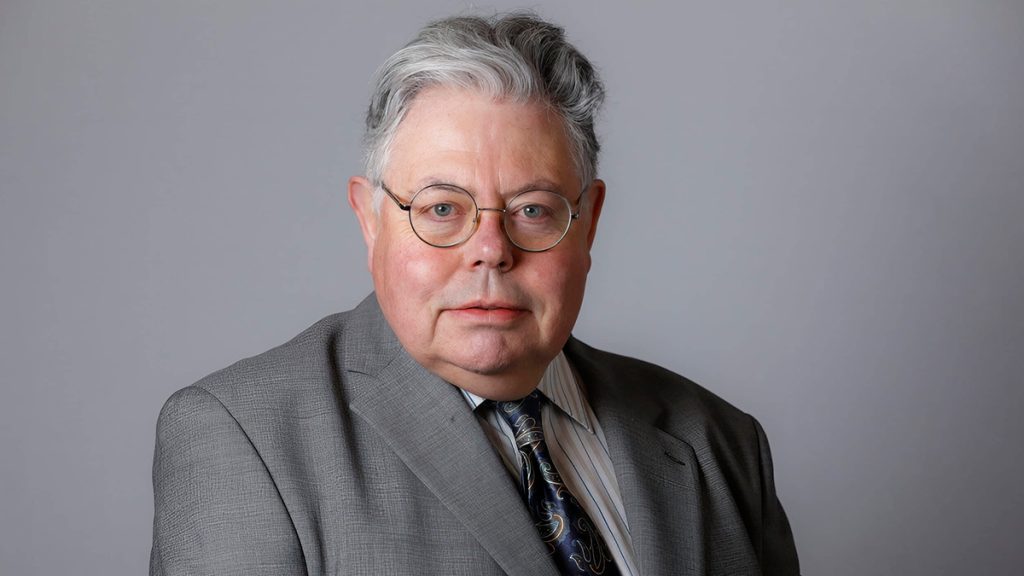
- Thomas O’Loughlin is a presbyter of the Catholic Diocese of Arundel and Brighton and professor-emeritus of historical theology at the University of Nottingham (UK). His latest book is Discipleship and Society in the Early Churches.
- A summary based on an article by: Brad Vermurlen, Mark Regnerus & Stephen Cranney (2023) The ongoing conservative turn in the American Catholic priesthood, Sociological Spectrum, 43:2-3, 72-88, DOI: 10.1080/02732173.2023.2215461
- O’Loughlin’s latest book is “Shaping the Assembly: How Our Buildings form us in Worship”.